
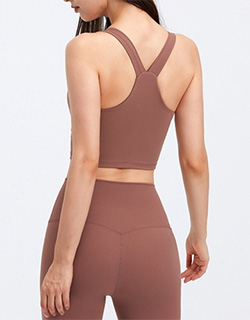
How Is Maternity Activewear Different From Regular Activewear?
What is the main difference?
Maternity activewear is designed around changing abdominal volume, coverage and fit balance during pregnancy. Regular activewear usually follows a standard body block for its stated size range. The difference is primarily pattern engineering and garment validation, not a special fiber blend or simply a larger size. Nursing access is a separate feature.
This comparison is for apparel buyers and product teams choosing between a regular block, an adapted style and a dedicated maternity development. Product features vary: neither a maternity label nor a high waistband proves comfort, support or suitability for every wearer. Evaluate the actual garment within its intended measurement range.

1. Maternity vs regular activewear: a practical comparison
| Feature | Regular activewear | Maternity activewear | Evidence to compare |
|---|---|---|---|
| Pattern block | Standard target body measurements and proportions | Defined pregnancy-related measurement range and revised front balance | Graded drawing and fit records |
| Waistband | Position and tension selected for the regular style | Over-belly, under-belly or adjustable construction, depending on brief | Panel height, join position, edge behavior and migration |
| Rise and coverage | Rise balanced around the regular block | Front rise and coverage adapted to the proposed body range | Standing and seated coverage observations |
| Fabric | Stretch and recovery appropriate to activity | Often similar fiber families; behavior evaluated with maternity geometry | Recovery and opacity at specified conditions |
| Tops | Length and shaping follow standard proportions | Additional front length, volume or adjustable shaping where needed | Hem position and opening behavior during movement |
| Bra construction | Cup, band and straps for the stated size range | Defined adjustment and fit scope; access only if specified | Band/cup fit and configuration checks |
| Size guide | Regular body-measurement chart | Explicit measurement and fit guidance for the maternity range | Size set, measurement method and stated limitations |
| Product claims | Evidence for stated apparel properties | Same evidence discipline; pregnancy wording adds no medical proof | Claim-to-report register for the actual product |
These are development distinctions, not universal specifications. A loose regular top may suit a particular wearer, while a maternity style may still fit poorly. Compare equivalent garment types and intended activities, rather than treating all regular leggings or all maternity leggings as identical.
2. Why sizing up changes more than belly room
Increasing a regular size generally changes several dimensions together, including hip, thigh, leg opening and sometimes length. It does not selectively add front abdominal volume. If a buyer needs more front coverage while retaining a defined leg silhouette, grading up the entire style can introduce looseness elsewhere without solving the coverage problem.
A dedicated maternity pattern can allocate additional room through front rise, panel shape, seam position or garment length. Those choices still require testing. More panel height may increase coverage but can also change how an edge folds or sits when the wearer is seated. An adjustable feature adds a range of configurations, each with its own fit considerations.
For a comparison sample, label the regular size, maternity size and their actual measurements. Do not assume that matching letter sizes represent matching bodies. Keep the fabric, intended activity and evaluation conditions documented so the team can distinguish a pattern effect from a material or size-selection effect.
Original structure comparison: where the pattern changes
Conceptual front views only; not to scale and not a cutting pattern. A taller panel is one option, not a requirement. Record A and B with actual points of measure, stretch direction, seam construction and tolerances. This drawing establishes no pressure target or medical benefit.
3. Over-belly and under-belly designs solve different briefs
An over-belly design extends coverage over the abdomen. The development brief should define relaxed panel height, upper-edge finish, the panel-to-body join and the intended body range. Evaluate whether it remains in place, folds or feels restrictive during the agreed tasks. A broad panel does not automatically distribute pressure comfortably in every size.
An under-belly design places the front waistband lower. It can suit a brief that avoids full abdominal coverage, but the front shape and back rise must still work together. Check seated coverage, waistband migration and whether the edge contacts a sensitive area. Consumer preference should guide the brief; neither configuration is universally superior.
A fold-over or adjustable design introduces more than one wearing configuration. Specify which configurations are intended, how adjustment is secured and how the size guide explains them. A sample approved with the panel unfolded has not necessarily been approved folded down. Keep configuration-specific observations in the fit record.

4. The fabric can be similar while the garment behaves differently
Maternity and regular activewear may both use nylon/elastane or polyester/elastane knits. Fiber percentages do not describe the full construction, recovery, opacity or surface behavior. There is no universal maternity fabric composition or fabric weight that guarantees an acceptable result.
The same textile can behave differently when panel dimensions, lining, stretch direction or seam placement change. Compare identified fabric lots and document the extension or posture used for opacity assessment. Include light and dark colorways where relevant; a result for one color and one sample should not become a guarantee for the whole collection.
| Property | Useful comparison setup | Record |
|---|---|---|
| Stretch and recovery | Agreed direction, method, loading and recovery interval | Material identity, method and measured result |
| Opacity | Defined lighting, background, size and posture or extension | Colorway, configuration and observation |
| Wash stability | Agreed care sequence on assembled garments | Before/after dimensions and appearance |
| Surface comfort | Defined garment trial and direct wearer feedback | Seam location, observation and corrective action |
Set acceptance limits with the buyer and laboratory before testing. A hand stretch demonstration is useful during selection but does not replace a reproducible recovery or durability assessment. Terms such as breathable and moisture-wicking need evidence for the stated property, rather than inference from softness or elastane content.
5. Maternity, nursing and postpartum are different product promises
Maternity fit concerns the intended pregnancy measurement range. Nursing features provide breast access through a cup, overlap or opening. A maternity sports bra can have no nursing access, and a nursing bra can require a separate fit assessment for its intended postpartum use. State both functions explicitly when a style claims both.
For a nursing configuration, evaluate opening, coverage, reclosure and strap retention. Pump compatibility is another claim: name the interface and configuration tested. A clip or crossover front does not establish universal pump retention or suitability for exercise while a pump is installed.
Postpartum use should also have a defined fit scope. Do not infer abdominal recovery, pain reduction or therapeutic compression from a close fit. Garment support is an apparel feature that needs an appropriate definition and assessment; it is not proof of a health outcome. Individual exercise decisions belong with the wearer and their healthcare professional. The NHS exercise-in-pregnancy guidance provides health context, including stopping when uncomfortable; it does not certify a garment or establish a panel-pressure limit.
6. Compare samples with an original fit decision worksheet
Use the comparison worksheet pack to record a regular sample and a maternity sample against the same written brief. It contains a printable decision checklist and a blank observation log. The framework below is an original editorial tool, not a validated clinical protocol or completed factory study.
First, define target measurements, intended activity, coverage and wearing configuration. Then identify sample revisions, material lots and care condition. Recruit consenting adult wearers within the intended fit scope, with appropriate privacy and only the measurements needed for the apparel evaluation. Let participants stop immediately if they report discomfort.
Record standing and seated coverage, panel migration, seam contact, opening behavior and direct feedback for agreed movements. Repeat relevant observations after the agreed wash sequence. Record actual findings before assigning a decision. Use Pass, Fail, Pending or Not applicable with a reason, and keep unresolved observations visible.
Do not publish a numerical comfort improvement or a statement that one design is safer without a suitable study. No comparative wearer trial or laboratory data has been supplied for this article. Its tables show what to evaluate; they do not claim measured superiority. A pattern maker or product specialist should review the final brief and evidence before production approval.
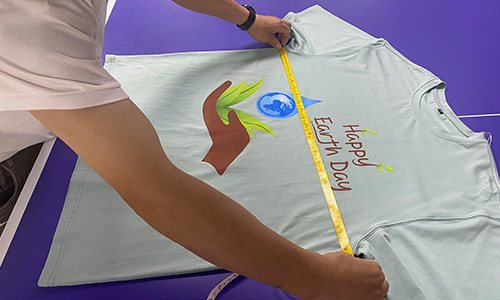
7. What changes in the purchasing specification?
| Parameter | Regular-block enquiry | Maternity development enquiry |
|---|---|---|
| MOQ | Confirm by style, fabric, color and size allocation | Also confirm separate panel fabrics, elastic and trim minimums |
| Cost | Quote the agreed regular construction | Separate pattern adaptation, panel materials and additional fit revisions |
| Sampling | Confirm prototype and size-set scope | Define wearer range, configurations and additional review gates |
| Lead time | Tie dates to material and sample approval | Include maternity fit revisions and any access-component validation |
| Release criteria | Approve dimensions, materials, care and workmanship | Add panel behavior, coverage and configuration-specific results |
No fixed MOQ, price premium or extra number of days can be assumed from the maternity label. A simple maternity top and a multi-layer nursing bra have different development needs. Obtain a current written quotation with currency, trade term, quantities, sample fees, exclusions and approval triggers so proposals can be compared on the same basis.
For Ohsure, start with its maternity manufacturing page and maternity and nursing category. These identify relevant service and product scope. Request evidence for your own sample rather than treating public capability descriptions as test results. Review the quality-control process and company profile when preparing supplier questions.
8. Buyer FAQs
Can regular leggings be worn during pregnancy?
An individual garment may remain comfortable within a wearer’s changing fit needs. Check coverage, edge contact and stability. A category label cannot determine an individual’s fit, and this article does not prescribe exercise or medical suitability.
When should a buyer choose a dedicated maternity block?
Choose one when the intended measurement range and front coverage cannot be met consistently by the regular block. Confirm that decision using identified samples and documented fit observations rather than a trimester label alone.
Is maternity activewear always more stretchy?
No. Compare the fabric’s measured behavior and garment geometry. A larger stretch percentage alone does not establish recovery, opacity or comfort.
Are maternity sports bras automatically nursing bras?
No. Breast access must be specified and evaluated separately. Pump compatibility also needs a defined interface and configuration.
Is over-belly construction better than under-belly?
There is no universal winner. Compare both against the intended wearer range, coverage preference, movement and edge behavior, then document which configuration was approved.
What evidence should accompany a maternity sample?
Retain the graded specification, sample revision, material identities, fit and care observations, relevant test reports, claim evidence and reviewer decision. Missing evidence should remain pending rather than being described as a pass.
Related manufacturing guide and review status
For the wider development workflow, see the maternity and nursing activewear manufacturing guide. This comparison focuses on choosing and evaluating the garment block rather than repeating the full production process.
Draft prepared: 20 October 2026. Named author, relevant professional experience and pattern maker/product specialist review are pending. No specialist endorsement, completed wearer study or test results are claimed. Add the real author, reviewer, review date and evidence references before publication. Revision: initial B729-62 comparison, original structure diagram and blank decision tools.