
Address
Dongguan, Guangdong, ChinaPhone
0086-18578460826E-mail
aiwa@ohsurewear.com
Fitness Wear
- Custom Shorts
- Custom T-Shirts
- Custom Hoodies
- Custom Tank Tops
- Custom Sports Bras
- Custom Yoga Sets
- Custom Sweatshirts
- Custom Track Pants
- Custom Gym Leggings
- Custom Sports Jackets
- Custom Adaptive Clothing
- Custom Equestrian Clothing
- Custom Maternity & Nursing Activewear
- Custom Bamboo Fabric Clothing
- Custom Organic Cotton Fabric Clothing
- Custom Recycled Fabric Gym Wear
- Custom Swimwear
- Custom Tennis Wear
- Custom Golf Wear
Style
Fabric
Craftsmanship
Sales Attributes
Quick Delivery
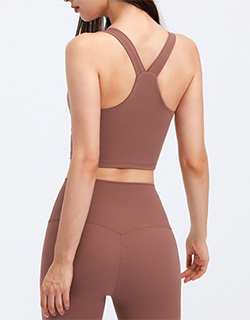
How to Choose the Right Fabric GSM for Activewear?
Fabric GSM (grams per square meter) directly affects opacity, support, breathability, durability, and overall wear performance in activewear.
Based on 15+ years of activewear manufacturing experience at Ohsurewear, choosing the right GSM is not about “heavier is better,” but about matching fabric weight to function, movement, and brand positioning.
Below is a practical, factory-level guide used in real OEM & ODM production.
1️⃣ What Does GSM Mean in Activewear Manufacturing?
GSM measures fabric weight per square meter. In activewear, GSM influences:
• Thickness and coverage (squat-proof level)
• Compression and support
• Heat retention vs breathability
• Fabric durability over repeated wear and washing
From a manufacturer’s perspective, GSM must always be evaluated together with fiber composition and knit structure, not in isolation.
2️⃣ Low GSM Fabrics (160–200 GSM)
Best for: Light-support tops & breathable layers
Common applications
• Lightweight sports bras (low impact)
• Yoga tops and tanks
• Summer training wear
Characteristics
• High breathability
• Lightweight and flexible feel
• Faster drying
Limitations
• Limited compression
• Not suitable for squat-proof leggings
At Ohsurewear, low GSM fabrics are typically used for upper-body activewear, not bottoms.
3️⃣ Medium GSM Fabrics (210–250 GSM)
Best for: Everyday leggings & mid-support sports bras
This is the most versatile GSM range in bulk activewear production.
Common applications
• Yoga and gym leggings
• Medium-support sports bras
• All-season activewear sets
Why this range works
• Balanced stretch and support
• Improved opacity for leggings
• Comfortable for long wear
Most core leggings at Ohsurewear are developed within this GSM range for commercial-ready performance.
4️⃣ High GSM Fabrics (260–320 GSM)
Best for: Compression leggings & high-impact sports bras
High GSM fabrics are used when support and structure are the priority.
Common applications
• High-compression leggings
• Running or HIIT sports bras
• Sculpting or shaping collections
Key benefits
• Enhanced compression and muscle support
• Superior squat-proof performance
• Better shape retention over time
Trade-offs
• Reduced breathability
• Heavier hand feel
This GSM range is commonly paired with nylon/polyamide + Lycra blends in premium collections at Ohsurewear.
5️⃣ GSM Alone Is Not Enough — Construction Matters
From a professional manufacturing standpoint, GSM must be considered alongside:
• Fiber composition (nylon vs polyester)
• Knit type (single jersey, interlock, double-knit)
• Yarn quality and elastane ratio
• Finishing processes (brushed, sanded, compacted)
A well-constructed 230 GSM double-knit fabric can outperform a poorly made 280 GSM fabric.
6️⃣ Choosing GSM Based on Activity Type
| Activity Type | Recommended GSM |
| Yoga / Pilates | 210–230 GSM |
| Gym Training | 220–250 GSM |
| Running / HIIT | 240–300 GSM |
Lifestyle / Athleisure | 200–230 GSM |
At Ohsurewear, GSM selection always starts with end-use analysis, not price alone. | |
Manufacturer Insight from Ohsurewear
One of the most common mistakes brands make is over-specifying GSM in hopes of better quality. In reality, excessive GSM can compromise comfort, flexibility, and wearability.
Professional activewear development focuses on:
• Functional performance
• Long-term durability
• Consistent bulk production results
That’s why Ohsurewear evaluates GSM together with fabric structure, stretch recovery, and real wear testing before final approval.
FAQs
- Sportswear Service Faqs
- Maternity Activewear Service Faqs
- Nursing Activewear Service Faqs
- Activewear Manufacturing FAQ
- Men’s Sportswear Frequently Asked Questions
- Women’s Sportswear Frequently Asked Questions
- Custom Sports Bras Frequently Asked Questions
- Custom Yoga Leggings Frequently Asked Questions
- Gym Wear Frequently Asked Questions
- Sports Hoodies Frequently Asked Questions
- yoga wear
- Sports T-Shirt Frequently Asked Questions
- Fabrics Faqs
- Adaptive Clothing Service Faqs
Are you looking for a reliable fitness clothing manufacturer?
We can quickly provide customers with market analysis, technical support and customized services.Address
Dongguan, Guangdong, ChinaPhone
0086-18578460826E-mail
aiwa@ohsurewear.com
Please send your message to us
- *Name
- *Phone
- *Title
- *Content
subscription