
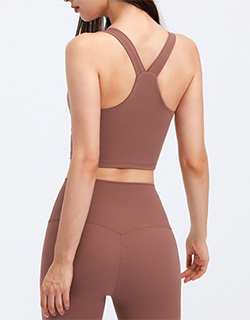
Custom Activewear Manufacturer: A Complete Guide for Building Your Sportswear Brand
Building a successful sportswear brand today requires more than eye-catching designs or social media marketing. Behind every high-performing activewear brand is a reliable custom activewear manufacturer that understands fabric technology, fit engineering, and scalable production. This complete guide is designed for brand founders, e-commerce sellers, and established labels looking to work with the right manufacturing partner and build a competitive sportswear business.
What Is a Custom Activewear Manufacturer and How Do They Work?
A custom activewear manufacturer is a factory that produces sportswear based on a brand’s specific requirements rather than selling pre-made, off-the-shelf products. These manufacturers support brands from early design development through sampling, bulk production, and delivery.
Definition of a Custom Activewear Manufacturer
A custom activewear manufacturer focuses on made-to-order production. Every detail—fabric, fit, color, branding, and construction—is developed according to the brand’s specifications. This allows brands to differentiate themselves in a crowded market.
Difference Between Custom Manufacturing and Ready-to-Wear Suppliers
Ready-to-wear suppliers sell existing styles with limited branding options. Custom manufacturers, by contrast, allow brands to control product identity, performance standards, and long-term consistency.
OEM vs ODM vs Private Label Explained
• OEM (Original Equipment Manufacturer): You provide the design and tech pack; the factory produces it.
• ODM (Original Design Manufacturer): The factory offers base designs that can be customized.
• Private Label: Minimal customization, fastest to market, lowest development cost.
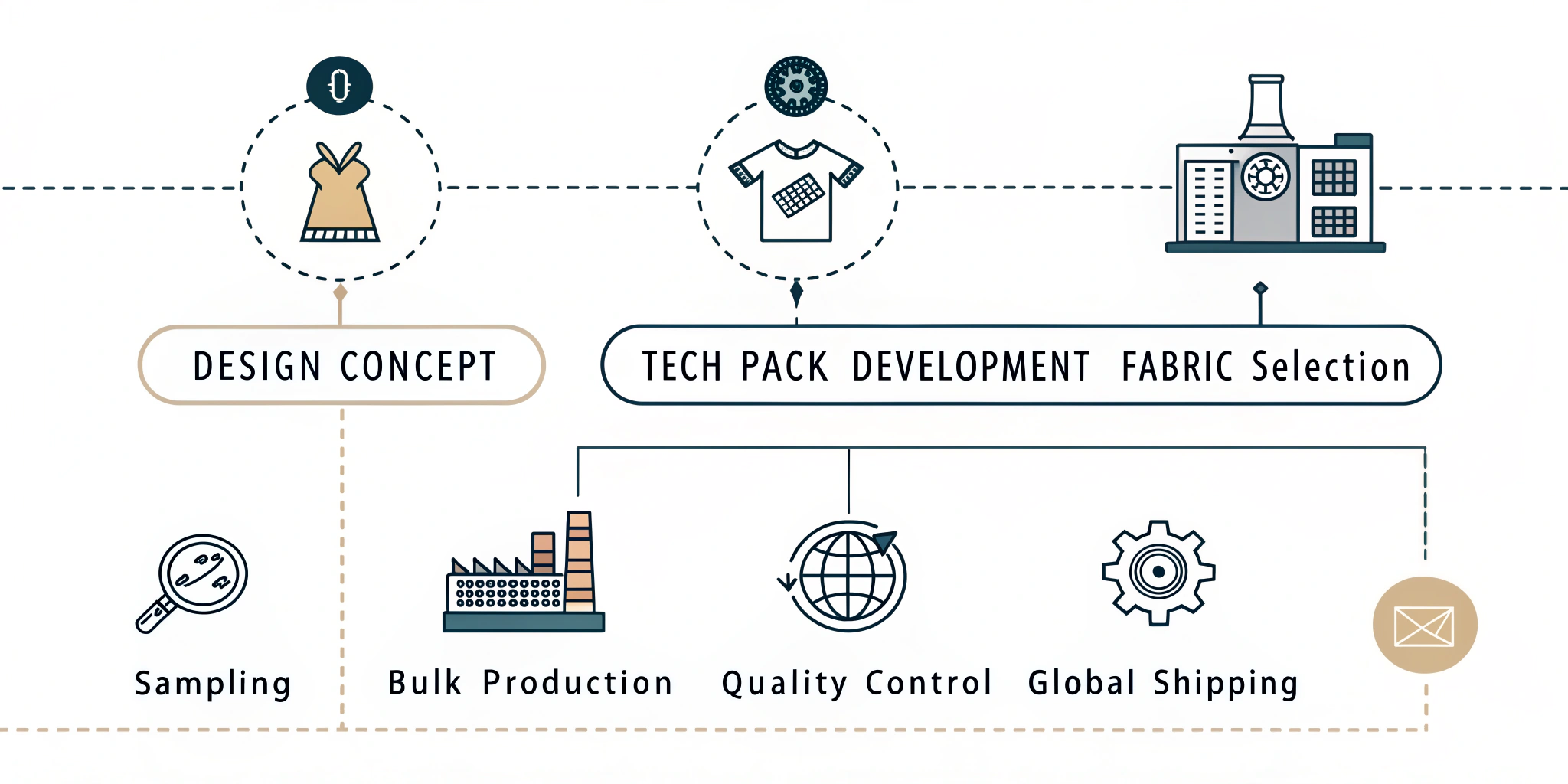
Typical Production Workflow: From Concept to Bulk
The process usually includes design submission, sampling, material sourcing, pre-production approval, bulk manufacturing, quality control, and shipment.
Why Choosing the Right Activewear Manufacturer Is Critical for Your Brand Success?
Your manufacturer directly affects product quality, customer satisfaction, and brand reputation.
Impact on Product Quality and Brand Reputation
Poor stitching, incorrect sizing, or fabric failure can quickly lead to negative reviews and high return rates. A professional activewear manufacturer understands performance requirements such as stretch recovery, breathability, and durability.
Cost Control, Pricing Strategy, and Profit Margins
The right manufacturer helps optimize fabric usage, reduce waste, and control defect rates—directly improving your margins.
Scalability and Long-Term Brand Growth
A capable factory can support your brand from small trial orders to large-scale bulk production without compromising quality.
Communication, Sampling Speed, and Reliability
Fast response times, clear communication, and accurate sampling reduce development delays and market risks.
What Types of Custom Activewear Can Manufacturers Produce?
Professional custom activewear manufacturers typically cover a wide range of performance apparel categories.
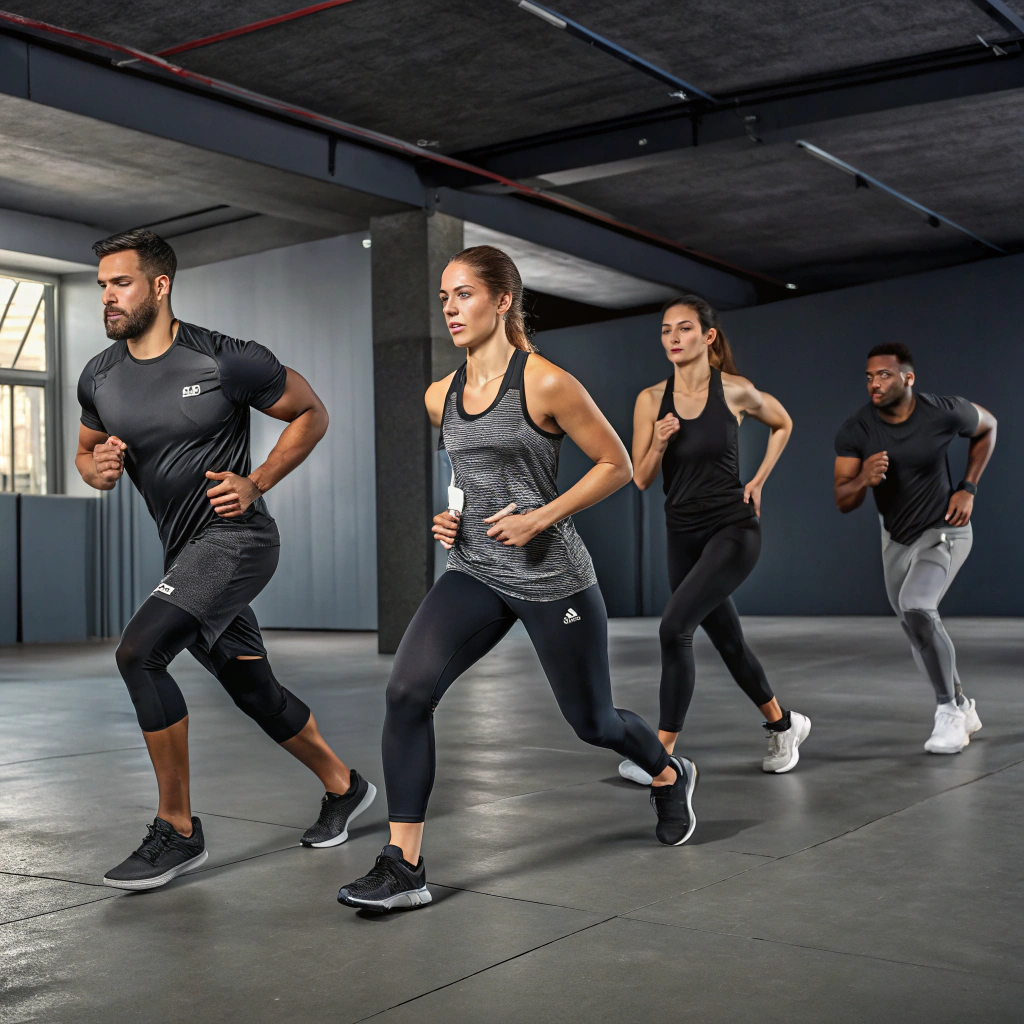
Custom Gym Wear and Training Apparel
Includes T-shirts, tank tops, shorts, joggers, and compression wear designed for high-intensity workouts.
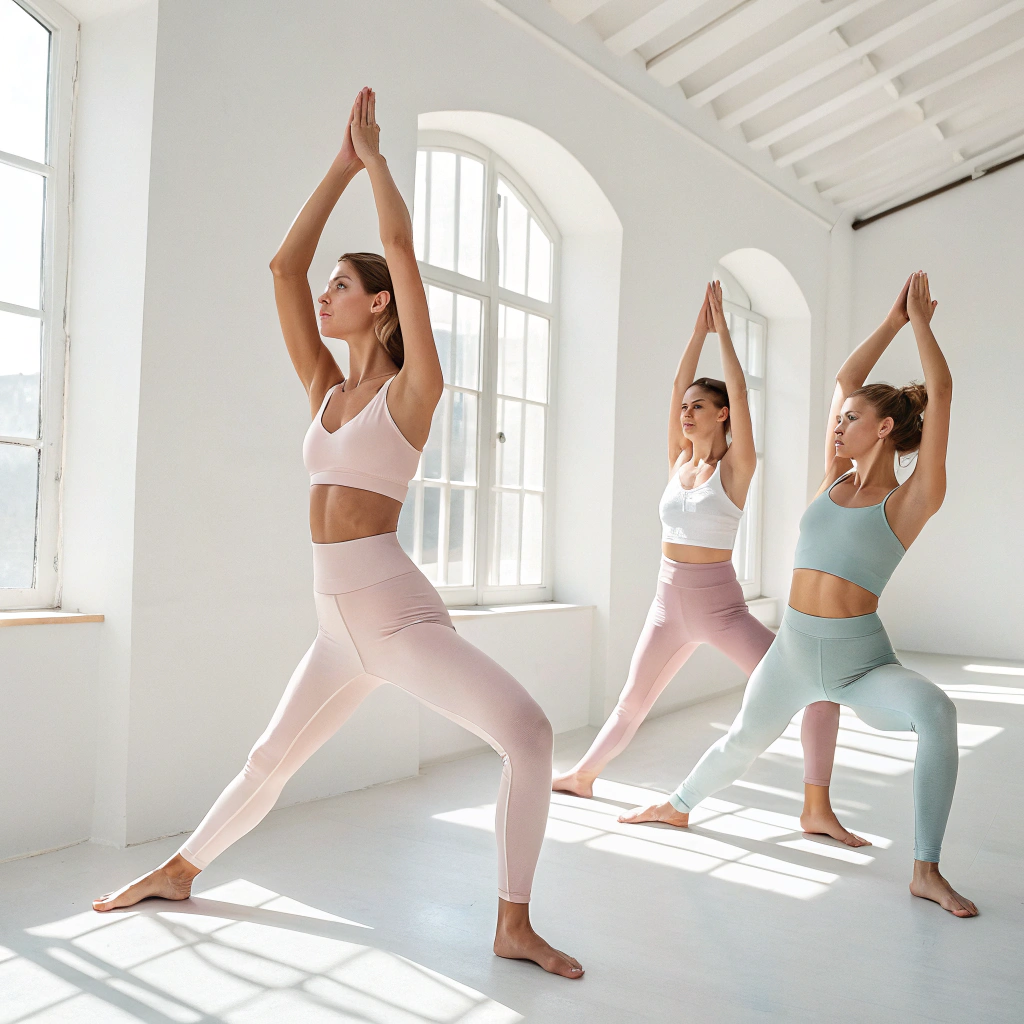
Yoga, Pilates, and Studio Wear
Focuses on comfort, stretch, and aesthetics, such as leggings, yoga bras, and seamless sets.
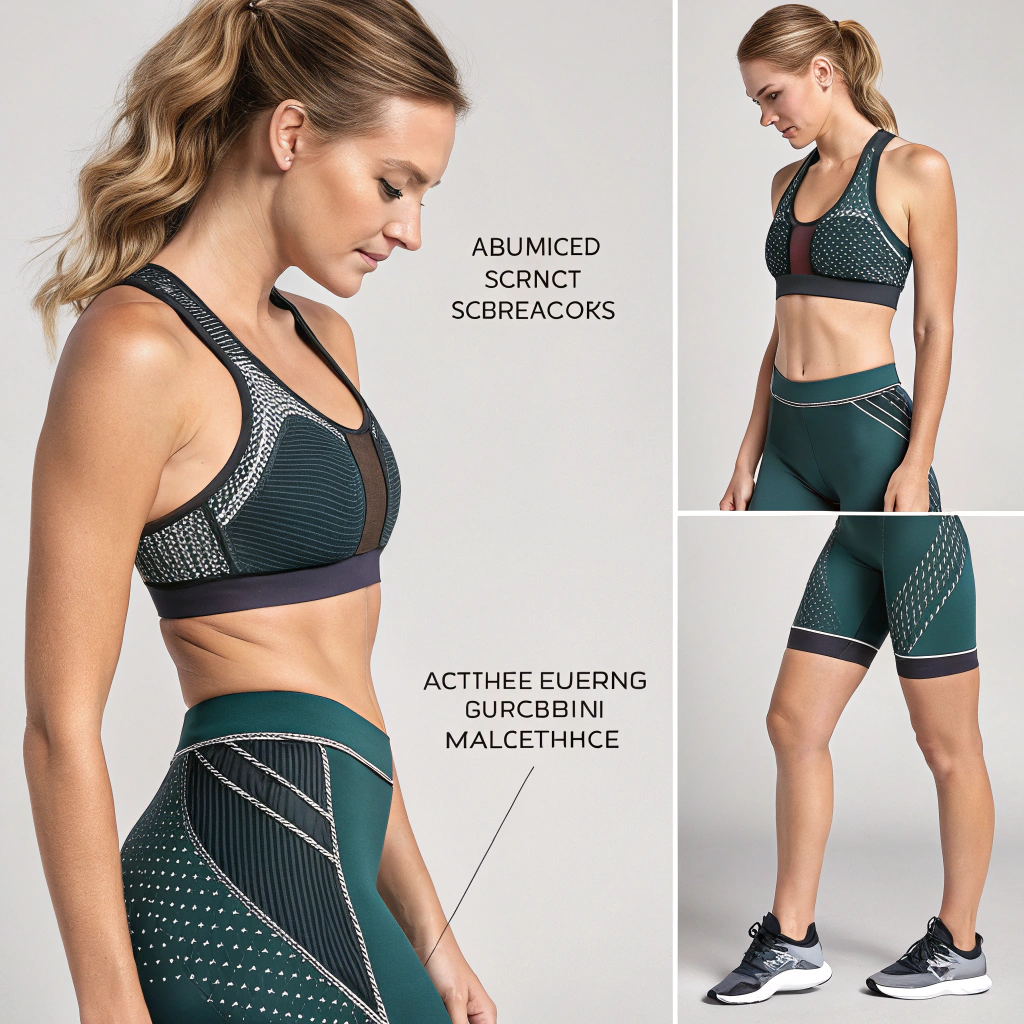
Sports Bras, Leggings, Shorts, and Sets
Core activewear items requiring advanced pattern-making and support engineering.
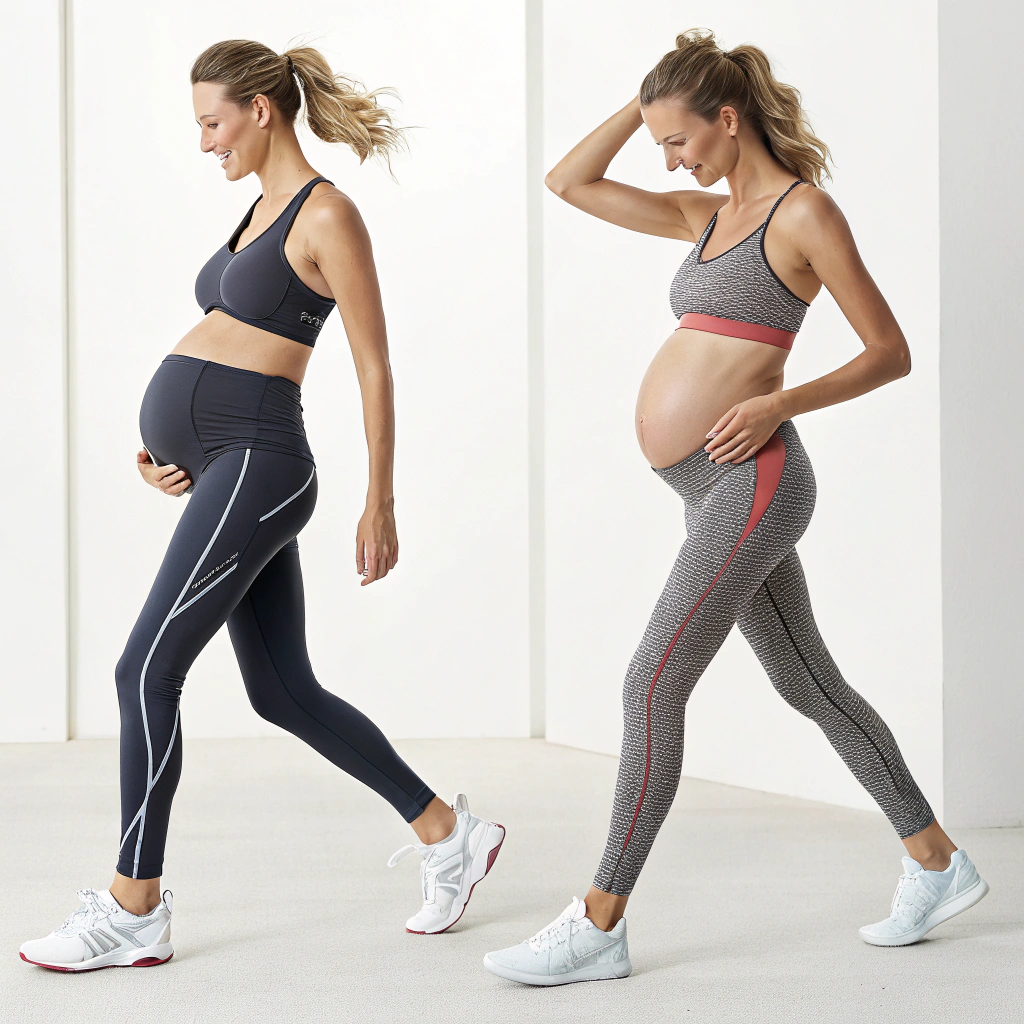
Maternity, Nursing, and Specialty Activewear
Designed for pregnancy stages, postpartum needs, or niche sports, requiring specialized fit knowledge.

Seasonal and Performance-Specific Collections
Cold-weather thermal wear, summer lightweight fabrics, or sport-specific gear like tennis or running apparel.
What Customization Options Should a Professional Activewear Manufacturer Offer?
Customization is the foundation of brand differentiation in activewear.
Fabric Selection and Performance Properties
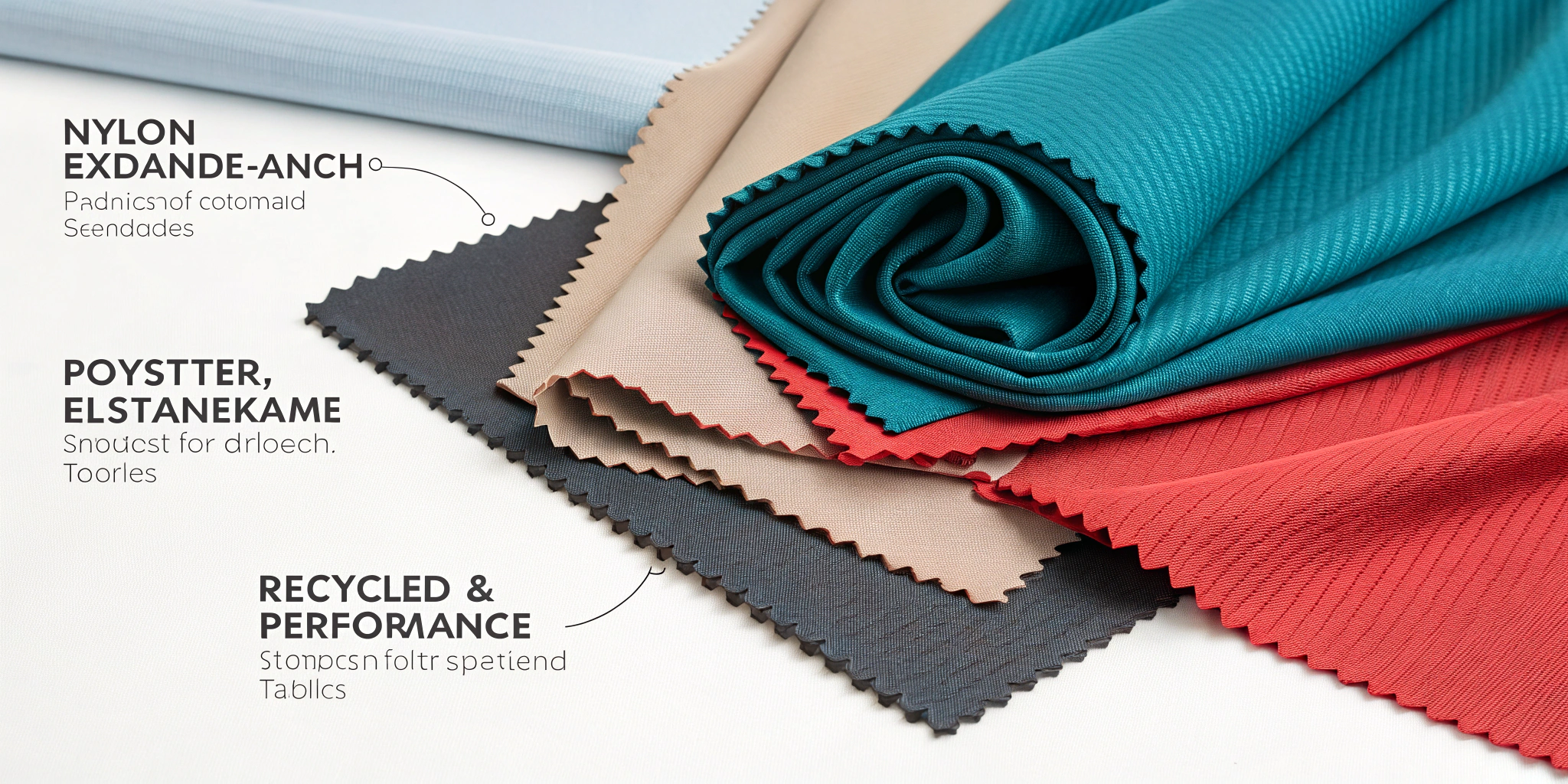
Manufacturers should offer options such as nylon-spandex blends, polyester elastane, recycled fabrics, moisture-wicking, and anti-odor finishes.
Fit Development and Size Grading
Accurate fit development ensures comfort, performance, and inclusive sizing across markets.
Design Details: Stitching, Panels, and Construction
Flatlock seams, bonded edges, reinforced stress areas, and ergonomic paneling enhance performance.
Branding Options: Labels, Packaging, and Trims
Private labels, heat-transfer logos, woven tags, hangtags, and custom packaging help elevate brand identity.
Common Customization Options in Activewear Manufacturing
| Custom Area | Options Available | Brand Benefit |
| Fabric | Nylon-Spandex, Polyester, Recycled | Performance & sustainability |
| Fit | Standard, Custom, Maternity | Precise target market fit |
| Branding | Heat transfer, Woven label | Strong brand recognition |
Packaging | Custom polybags, boxes | Premium brand perception |
How to Evaluate the Quality of a Custom Activewear Manufacturer?
Quality evaluation should go beyond visual inspection.
Fabric Testing and Performance Standards
Check stretch recovery, colorfastness, pilling resistance, and breathability.
Stitching, Seam Strength, and Construction Quality
High-stress areas such as crotch seams and armholes should be reinforced.
Sampling Accuracy and Revision Process
A reliable manufacturer delivers samples that closely match tech packs and revises efficiently.
Quality Control Systems and Inspection Stages
Look for raw material checks, inline inspections, and final quality audits.
| Key Quality Evaluation Checklist | ||
| Evaluation Item | What to Check | Why It Matters |
Fabric recovery | Stretch & rebound | Long-term comfort |
Stitch density | Seam consistency | Prevents tearing |
| Sample accuracy | Match to tech pack | Reduces bulk risk |
| QC process | Inline & final checks | Consistent quality |
What Is the Typical MOQ, Pricing Structure, and Lead Time?
Understanding production parameters helps brands plan budgets and launches.
Understanding Minimum Order Quantities (MOQ)
MOQs vary by fabric, style complexity, and factory capacity. Many manufacturers support low MOQs for startups.
Factors That Affect Activewear Manufacturing Cost
Fabric choice, customization level, order quantity, and labor complexity all influence pricing.
Sample Lead Time vs Bulk Production Timeline
Sampling usually takes 7–15 days, while bulk production ranges from 30–60 days.
How to Optimize Cost Without Sacrificing Quality
Simplify designs, consolidate fabrics, and plan collections strategically.
| Typical Production Parameters | ||
Stage | MOQ Range | Lead Time |
Sampling | 1–5 pcs | 7–15 days |
| Small batch | 100–300 pcs | 20–30 days |
| Bulk | 500–3000 pcs | 35–50 days |
How Does the Custom Activewear Manufacturing Process Work Step by Step?
A structured process ensures efficiency and consistency.
Design Submission and Tech Pack Requirements
Clear tech packs reduce errors and speed up development.
Sampling and Fit Approval
Multiple sample rounds may be required for fit and fabric optimization.
Material Sourcing and Pre-Production
Approved fabrics and trims are sourced before bulk cutting.
Bulk Production and Quality Control
Production follows approved samples with ongoing inspections.
Packing, Shipping, and Delivery
Final products are packed according to brand standards and shipped globally.
What Are Common Mistakes Brands Make When Working with Activewear Manufacturers?
Avoiding common pitfalls can save time and money.
Incomplete Tech Packs and Fit Instructions
Missing details often cause sampling delays and fit issues.
Ignoring Fabric Performance Testing
Unverified fabrics can fail in real-world use.
Choosing Price Over Manufacturing Expertise
The cheapest option often leads to higher long-term costs.
Lack of Clear Communication and Expectations
Clear timelines and standards prevent misunderstandings.
How to Start Your Sportswear Brand with a Custom Activewear Manufacturer?
Starting with the right foundation improves success rates.
Preparing Your Brand Concept and Target Market
Define your niche, customer needs, and price positioning.
Choosing Between OEM and ODM Models
Startups often benefit from ODM, while established brands prefer OEM.
Planning Your First Collection and Budget
Focus on a small, cohesive product range.
Building a Long-Term Manufacturing Partnership
Treat your manufacturer as a strategic partner, not just a supplier.
Why Work with a Specialized Custom Activewear Manufacturer Instead of a General Factory?
Activewear production requires specialized knowledge.
Technical Expertise in Performance Apparel
Stretch fabrics and compression require advanced sewing techniques.
Understanding of Fit, Stretch, and Movement
Poor pattern-making leads to discomfort and returns.
Faster Development and Fewer Production Errors
Specialists reduce trial-and-error cycles.
Better Support for Brand Growth and Innovation
Experienced manufacturers help brands evolve with market trends.
Frequently Asked Questions About Custom Activewear Manufacturing
Can Startups Work with Custom Activewear Manufacturers?
Yes. Many factories offer low MOQs and development support for new brands.
What Is the Best Fabric for Performance Activewear?
Nylon-spandex blends are popular for durability and comfort.
How Long Does It Take to Launch a Sportswear Brand?
Typically 3–6 months from concept to first delivery.
Is Sustainable Activewear Manufacturing Available?
Many manufacturers now offer recycled fabrics and eco-friendly processes.