
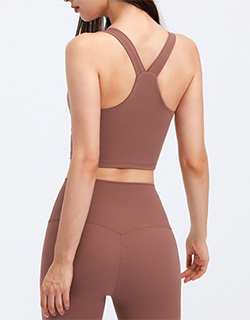
Sampling to Bulk Production: Inside a Custom Activewear Manufacturer’s Process
When it comes to launching a custom activewear line, understanding the manufacturing journey from sampling to bulk production is essential. For brands looking to create high-quality sportswear, working closely with a reliable custom activewear manufacturer ensures that every garment meets expectations, from design concept to final shipment. In this article, we explore the detailed process, highlighting the key stages, quality checks, and best practices to ensure a successful production cycle.
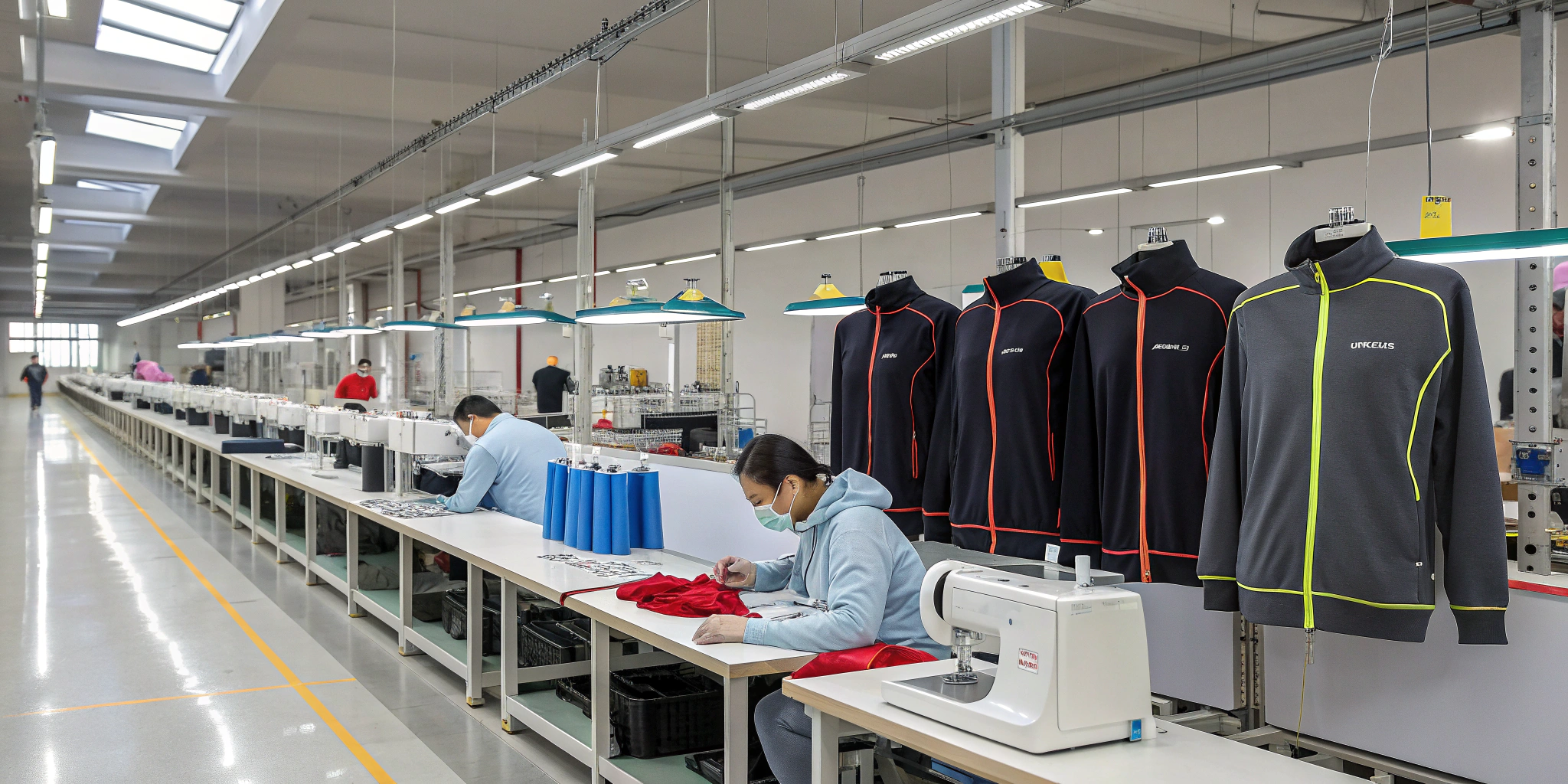
Understanding the Sampling Phase
Before committing to large-scale production, the sampling phase is a critical step where ideas become tangible garments. This stage allows brands to test designs, materials, and fit before moving to bulk orders.
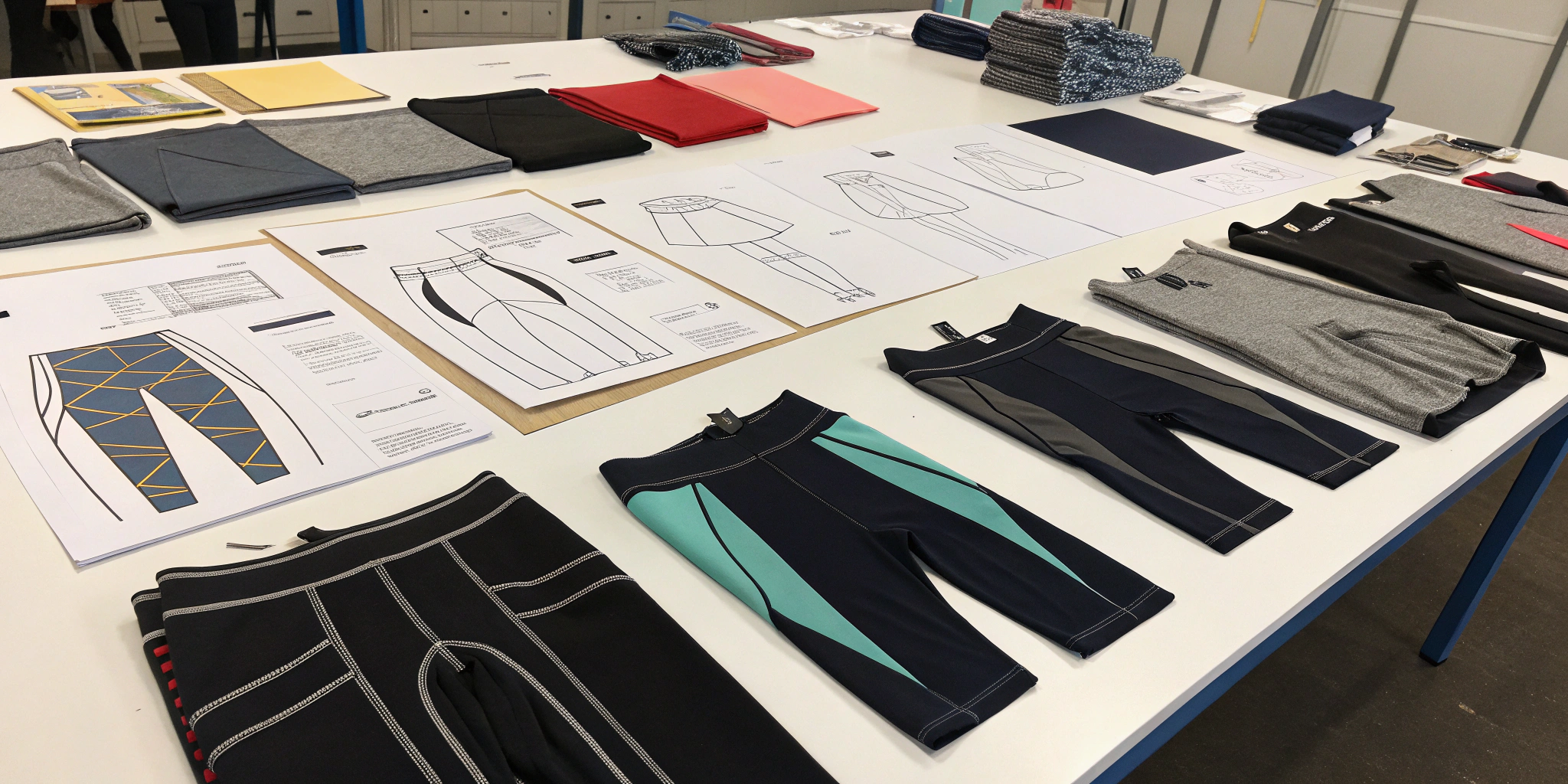
Concept & Design Finalization
A successful sampling phase begins with a clear design concept. Brands typically provide sketches, tech packs, or mood boards to communicate their vision. A tech pack includes essential details such as measurements, stitching specifications, fabric types, and trims. Clear communication at this stage helps prevent misunderstandings and ensures the manufacturer can translate the concept accurately into a prototype.
Material Selection & Testing
Fabric choice is crucial for activewear performance. Manufacturers work with brands to select materials that provide comfort, flexibility, breathability, and moisture-wicking properties. During sampling, fabrics are tested for stretch, durability, and colorfastness. For example, a high-intensity workout legging requires fabrics that maintain shape under repeated movement while resisting fading after washing.
Prototype Creation
Once the design and materials are finalized, the manufacturer produces the first physical sample. This prototype is reviewed for fit, appearance, and functionality, often leading to several iterations before approval. The goal is to ensure the garment meets both aesthetic and performance standards before scaling production.
Quality Checks During Sampling
Sampling is not only about seeing the design in physical form—it’s also a stage to enforce quality control.
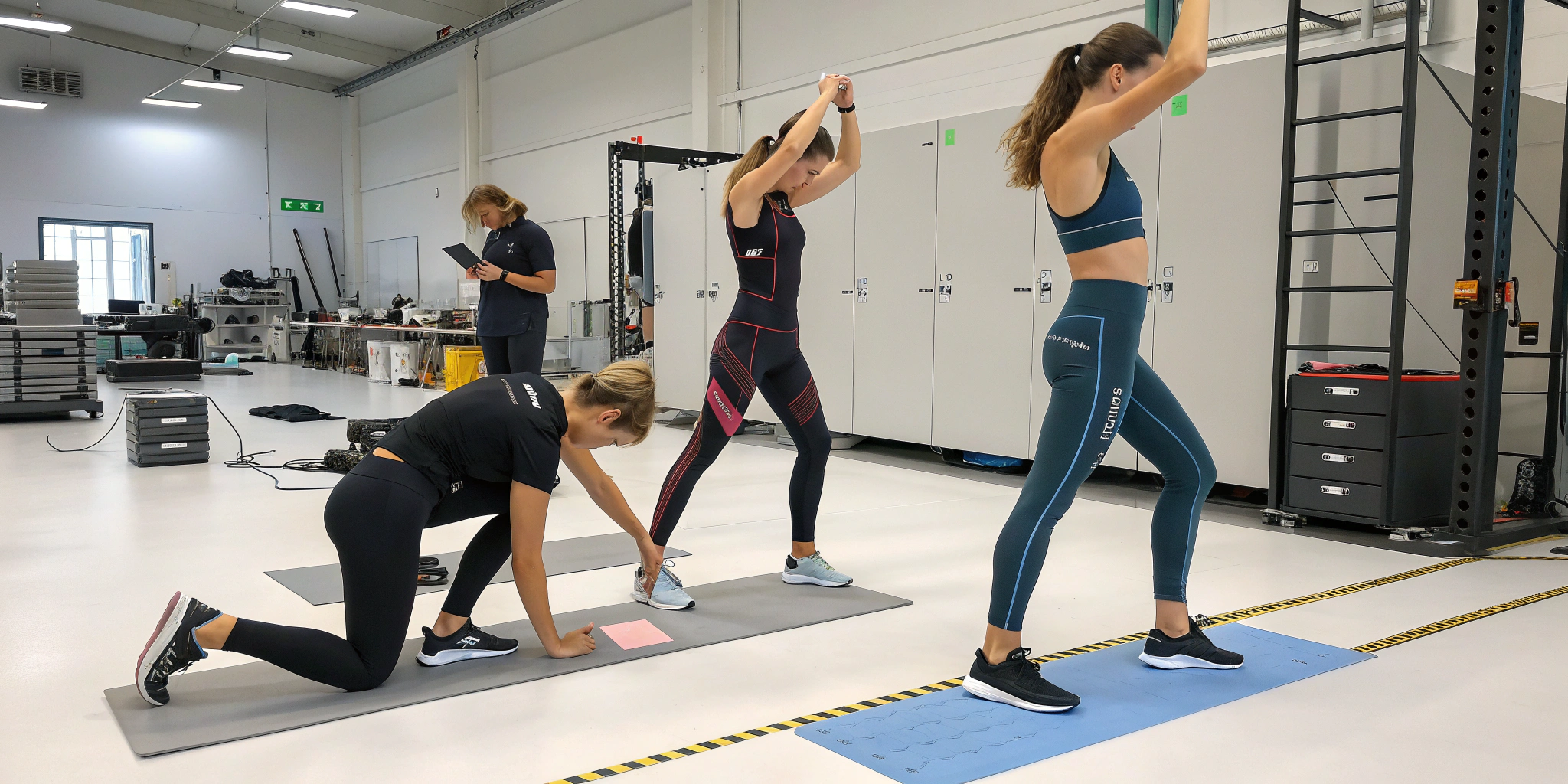
Fit & Sizing Evaluation
Ensuring garments fit a variety of body types is crucial for activewear brands. Manufacturers evaluate the accuracy of patterns and sizing charts, making adjustments to create a consistent fit across all sizes. This step reduces the risk of returns and dissatisfaction in the final bulk production.
Functional Testing
Activewear must perform under real-world conditions. Sampling includes tests for stretch recovery, seam durability, and movement comfort. Additional checks may involve sweat management, breathability, and garment resilience during physical activity.
Sample Approval Workflow
Once the sample passes the initial tests, it is shared with the brand for feedback. Manufacturers typically conduct multiple rounds of revisions, addressing any concerns regarding fit, color, or material. Approval at this stage is a key milestone that signals readiness for bulk production.
Transitioning from Sample to Bulk Production
Once samples are approved, the process moves into bulk production, where the focus shifts from design validation to efficiency, quality consistency, and timely delivery.
Production Planning & Timeline
Manufacturers create a production schedule that outlines each stage from cutting and sewing to finishing and packaging. Minimum order quantities (MOQs) are established based on fabric availability and production capacity. Clear timelines help brands anticipate delivery dates and manage inventory effectively.
Fabric Procurement & Pre-production Prep
Before mass production begins, materials must be procured in sufficient quantities to match the approved sample standards. Cutting patterns are graded for different sizes, and pre-production samples may be produced to ensure consistency. This step prevents deviations in fit or color during bulk manufacturing.
Scaling Manufacturing Without Compromising Quality
Scaling up production introduces challenges in maintaining quality. Experienced manufacturers employ skilled labor, automated machinery, and in-line quality checks to ensure each garment mirrors the approved sample. Consistency in stitching, seams, and prints is closely monitored.
Quality Assurance in Bulk Production
Maintaining high quality across large volumes is critical for brand reputation and customer satisfaction.
In-line Inspection
During production, manufacturers perform in-line inspections to catch defects early. This includes checking fabric defects, stitching errors, and proper assembly. Immediate correction reduces waste and ensures efficiency.
Final Product Inspection & Packaging
Once garments are completed, a final inspection ensures they meet all specifications. Labels, packaging, and accessories are verified, and each unit is carefully prepared for shipment. This stage guarantees that products delivered to brands reflect the expected quality and finish.
Documentation & Traceability
A professional manufacturer maintains records of materials, batches, and inspections. Traceability helps brands address any future concerns and ensures accountability throughout the production process.
Sampling vs Bulk Production: Key Differences
Understanding the differences between sampling and bulk production helps brands plan budgets, timelines, and expectations.
Purpose & Focus
Sampling: Focused on design approval, fit, and functionality.
Bulk Production: Focused on large-scale efficiency, consistency, and quality control.
Cost & Time Comparison
Sampling: Higher per-piece cost due to prototyping and multiple revisions, with a typical timeline of 1–4 weeks per iteration.
Bulk Production: Lower per-piece cost due to economies of scale, with a production timeline of 2–8 weeks depending on order size.
Sampling vs Bulk Production Overview | ||
| Stage | Sampling | Bulk Production |
Purpose | Design approval & iteration | Large-scale manufacturing |
| Volume | 1–5 pieces per style | Hundreds to thousands of pieces |
Material Requirements | Small fabric amounts | Full-order fabric procurement |
Quality Focus | Fit, look, functionality | Consistency, durability |
| Timeline | 1–4 weeks per sample iteration | 2–8 weeks for full order |
Conclusion
From initial concept to final shipment, the journey from sampling to bulk production is a critical part of a successful activewear brand. A professional custom activewear manufacturer ensures every stage—design, material testing, prototype approval, and large-scale manufacturing—is handled with precision and expertise. Brands that partner with experienced manufacturers can launch high-quality activewear products with confidence, maintaining consistency, performance, and customer satisfaction.
By understanding the process and working closely with your manufacturer, you can minimize errors, optimize costs, and bring your activewear vision to life efficiently and effectively.