
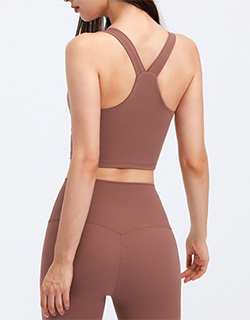
Custom Activewear Manufacturer vs Private Label: Which Is Better for Your Business?
Starting an activewear brand is exciting—but wow, the decisions can pile up fast. One of the biggest head-scratchers? Choosing between a custom activewear manufacturer and a private label solution. Both sound appealing, both promise profits, and both come with trade-offs. So, which one’s actually better for your business?
Well, it depends—and that’s exactly what we’re diving into today. Whether you’re launching your first gym wear line or scaling an established fitness brand, this guide will walk you through the real differences, hidden costs, and long-term implications of each option. By the end, you’ll have a crystal-clear idea of which path fits your goals best.
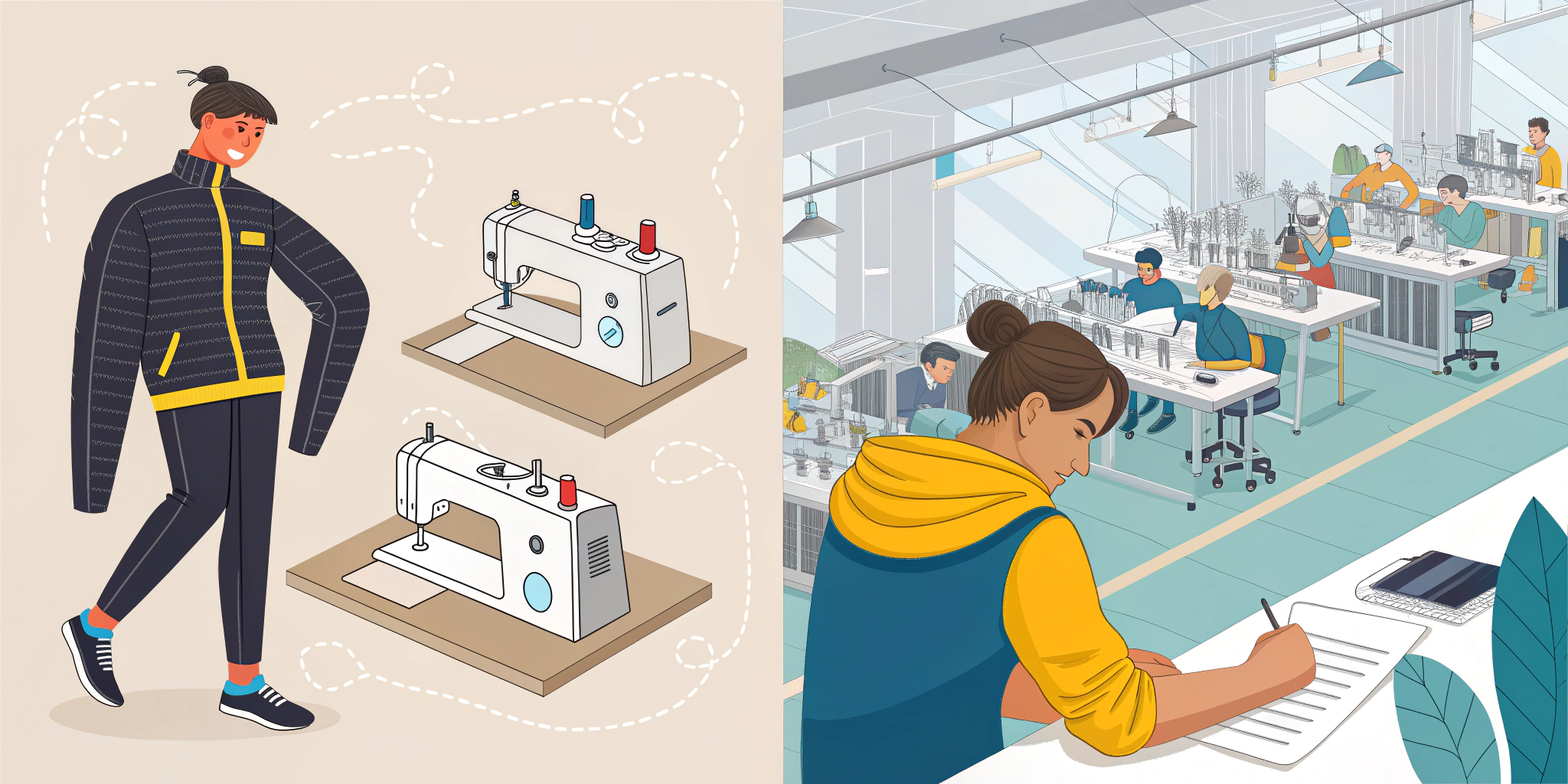
What Is a Custom Activewear Manufacturer and How Does It Work?
Definition of Custom Activewear Manufacturing
A custom activewear manufacturer creates products from scratch based on your unique designs, specifications, fabrics, and branding. In other words, you’re not picking from a catalog—you’re building your own activewear line from the ground up.
This model is often used by brands that want full creative control and strong brand differentiation in a crowded fitness apparel market.
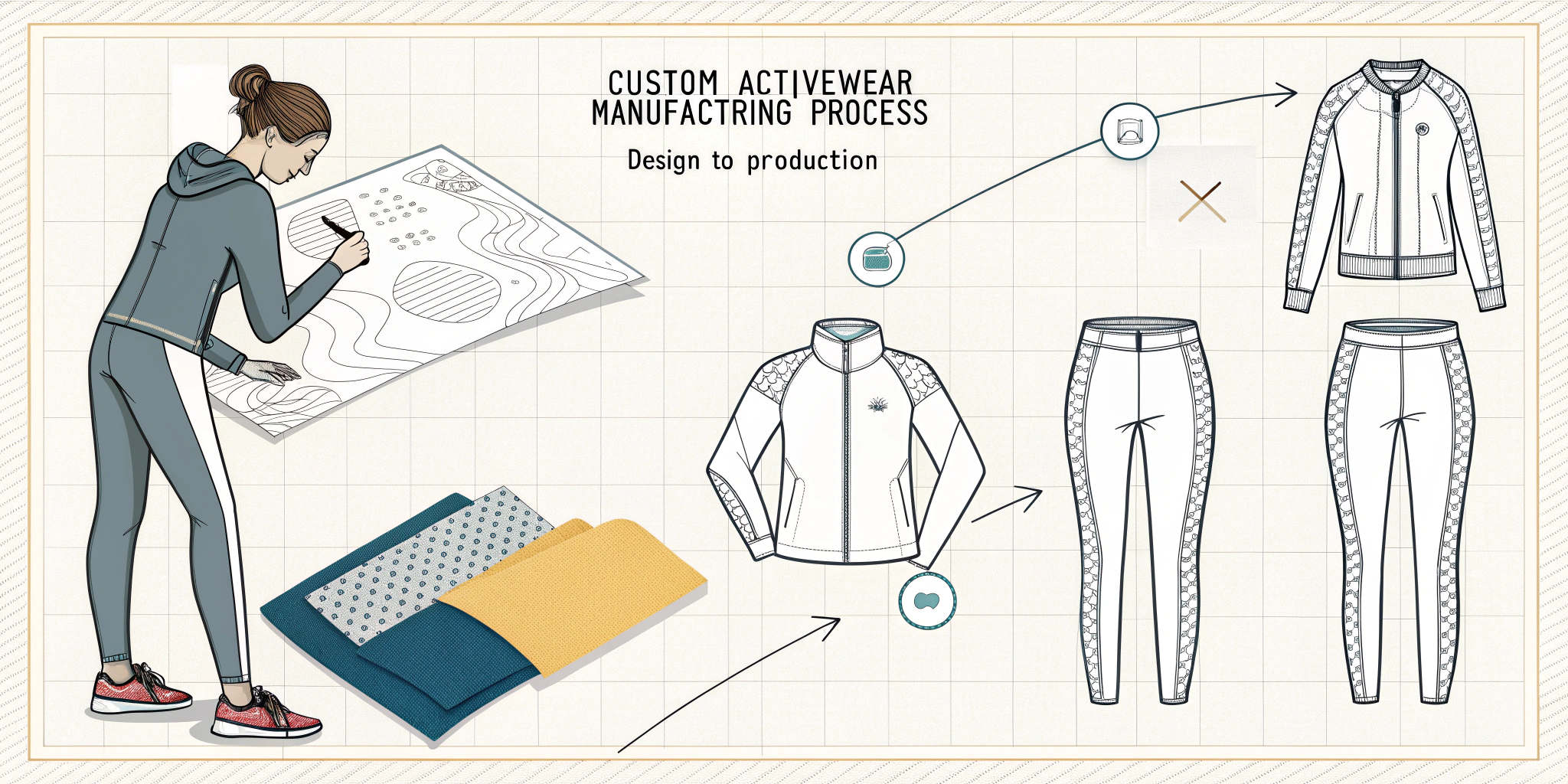
Production Process Explained (Design → Sampling → Manufacturing)
Here’s how the custom manufacturing process usually unfolds:
1. Design Phase – You provide tech packs, sketches, or inspiration.
2. Fabric Selection – Choose materials like nylon-spandex, recycled polyester, or bamboo blends.
3. Sampling – The manufacturer creates samples for fitting and quality checks.
4. Revisions – Adjust sizing, stitching, or fabric if needed.
5. Bulk Production – Once approved, mass production begins.
6. Branding & Packaging – Custom labels, hang tags, and packaging are added.
Sure, it takes time—but the payoff can be huge.
Pros of Choosing a Custom Activewear Manufacturer
• Full design freedom and originality
• Strong brand identity
• Better long-term scalability
• Higher perceived brand value
• Easier to protect your designs
Cons and Challenges to Consider
• Higher minimum order quantities (MOQs)
• Longer production timelines
• Higher upfront investment
• More complex communication and quality control
Table: Custom Activewear Manufacturing – Advantages & Disadvantages | ||
| Aspect | Advantages | Disadvantages |
Design | 100% customization | Requires design expertise |
| Branding | Strong differentiation | Higher cost |
| MOQ | Flexible with some suppliers | Often higher than private label |
| Time | Long-term brand value | Slower to market |
What Does Private Label Activewear Mean for New Brands?
Private Label Explained in Simple Terms
Private label activewear is all about speed and simplicity. Manufacturers already have ready-made designs—you simply add your logo, brand name, and sometimes choose colors. Boom, you’ve got a product to sell.
This approach is especially popular among startups and eCommerce sellers testing the market.
How Private Label Activewear Production Works
The process is refreshingly straightforward:
• Select existing styles from a catalog
• Add your logo and labels
• Choose sizes and quantities
• Place the order and ship
No design headaches. No long waits.
Benefits of Private Label for Startups
• Low upfront investment
• Faster time to market
• Lower MOQs
• Ideal for testing new niches
• Simple supply chain
Limitations of Private Label Activewear
• Limited customization
• Harder to stand out from competitors
• Other brands may sell the same styles
• Lower brand loyalty potential
In short, it’s quick and easy—but not always unique.
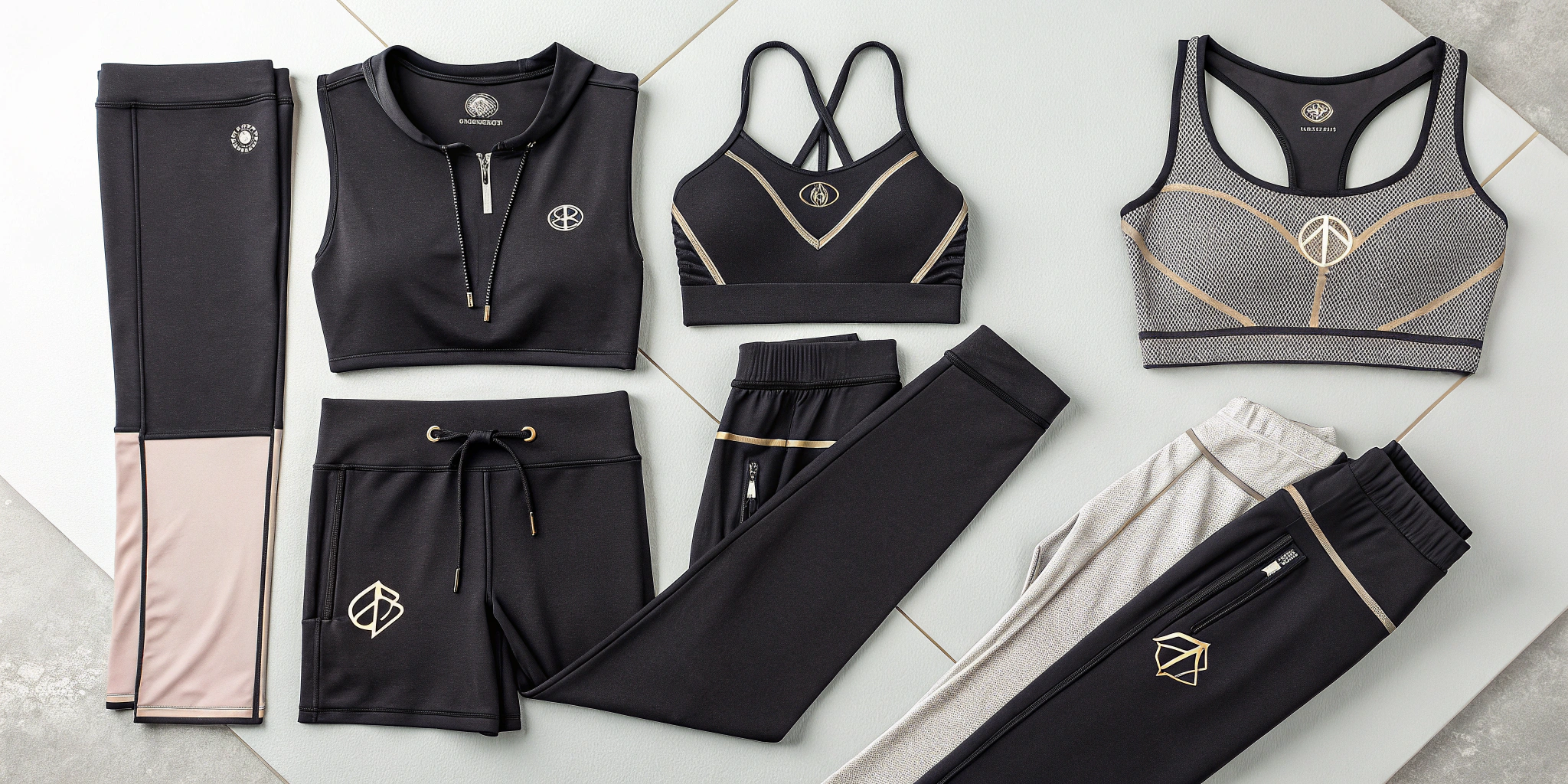
Custom Activewear Manufacturer vs Private Label: What Are the Key Differences?
Design Flexibility and Brand Identity
This is where the difference really shows. Custom manufacturing lets you create signature pieces that scream your brand. Private label? You’re working with pre-designed templates that others might use too.
Cost Structure and Minimum Order Quantity (MOQ)
Custom manufacturing usually requires a bigger initial spend, while private label keeps costs low at the start. But over time, custom products often bring higher margins.
Production Time and Speed to Market
If speed is your top priority, private label wins hands down. Custom manufacturing takes longer—but quality and originality often justify the wait.
Quality Control and Material Options
Custom manufacturers give you full control over fabric, stitching, compression levels, and durability. With private label, you’re trusting what’s already been made.
Table: Custom Activewear vs Private Label – Side-by-Side Comparison | ||
Feature | Custom Activewear Manufacturer | Private Label |
| Customization | Full | Limited |
MOQ | Medium to High | Low |
| Time to Market | Slow | Fast |
| Brand Uniqueness | Very High | Low to Medium |
| Startup Cost | Higher | Lower |
Which Option Is More Cost-Effective for Your Business?
Initial Investment Comparison
Private label clearly wins for beginners with tight budgets. You can launch with minimal capital and validate demand before going big.
Custom manufacturing, on the other hand, requires more cash upfront—but positions you for long-term success.
Long-Term Profit Margins
Here’s the kicker: custom activewear often delivers better margins once you scale. Why? Because unique designs justify higher prices and customer loyalty.
Hidden Costs You Shouldn’t Ignore
• Sampling fees
• Shipping and duties
• Storage costs
• Quality inspection
• Rebranding expenses if switching later
Being realistic about costs now saves headaches later.
How Do You Choose the Right Model for Your Activewear Brand?
Questions to Ask Before Deciding
Ask yourself:
• Do I want speed or uniqueness?
• What’s my startup budget?
• Am I building a brand or testing a product?
• How competitive is my niche?
• Honest answers go a long way.
Best Choice for Small Businesses vs Scaling Brands
• Small or new brands → Private label
• Growing or premium brands → Custom activewear manufacturer
Real-World Use Cases and Scenarios
• Instagram fitness influencer launching merch? Private label works.
• Premium yoga brand focused on sustainability? Custom manufacturing is the way to go.
FAQs
Is private label activewear good for beginners?
Absolutely. It’s affordable, fast, and perfect for market testing.
Can I switch from private label to custom manufacturing later?
Yes—and many brands do. Just plan the transition carefully.
Which option offers better branding opportunities?
Custom activewear manufacturing, hands down.
Final Takeaway: Making the Smart Choice for Your Activewear Business
At the end of the day, there’s no one-size-fits-all answer. A custom activewear manufacturer offers originality, brand power, and long-term growth, while private label provides speed, affordability, and simplicity.
If you’re just dipping your toes in the water, private label is a safe bet. But if you’re dreaming big—building a recognizable, premium activewear brand—custom manufacturing might just be your golden ticket.
Still unsure? That’s okay. The best decision is the one aligned with your goals, budget, and vision. Take your time, do the math, and choose the path that sets your brand up to win.