
Private Label Athletic Apparel: A Complete Guide for Brands and Startups
The global activewear market has experienced rapid growth over the past decade. With more people embracing fitness, wellness, and athleisure lifestyles, demand for high-quality athletic apparel continues to increase worldwide. For entrepreneurs and emerging brands, private label athletic apparel has become one of the most effective ways to enter this competitive market without building a factory from scratch.
Private labeling allows businesses to create their own branded products while partnering with an experienced manufacturer that handles development, sourcing, and production. This approach reduces operational complexity and allows brands to focus on marketing, design, and customer relationships.
In this complete guide, we will explain what private label athletic apparel is, its benefits for brands and startups, the types of products you can develop, and how to choose the right manufacturing partner. We will also introduce how experienced manufacturers such as ohsure help brands transform product ideas into market-ready collections.
What Is Private Label Athletic Apparel and How Does It Work?
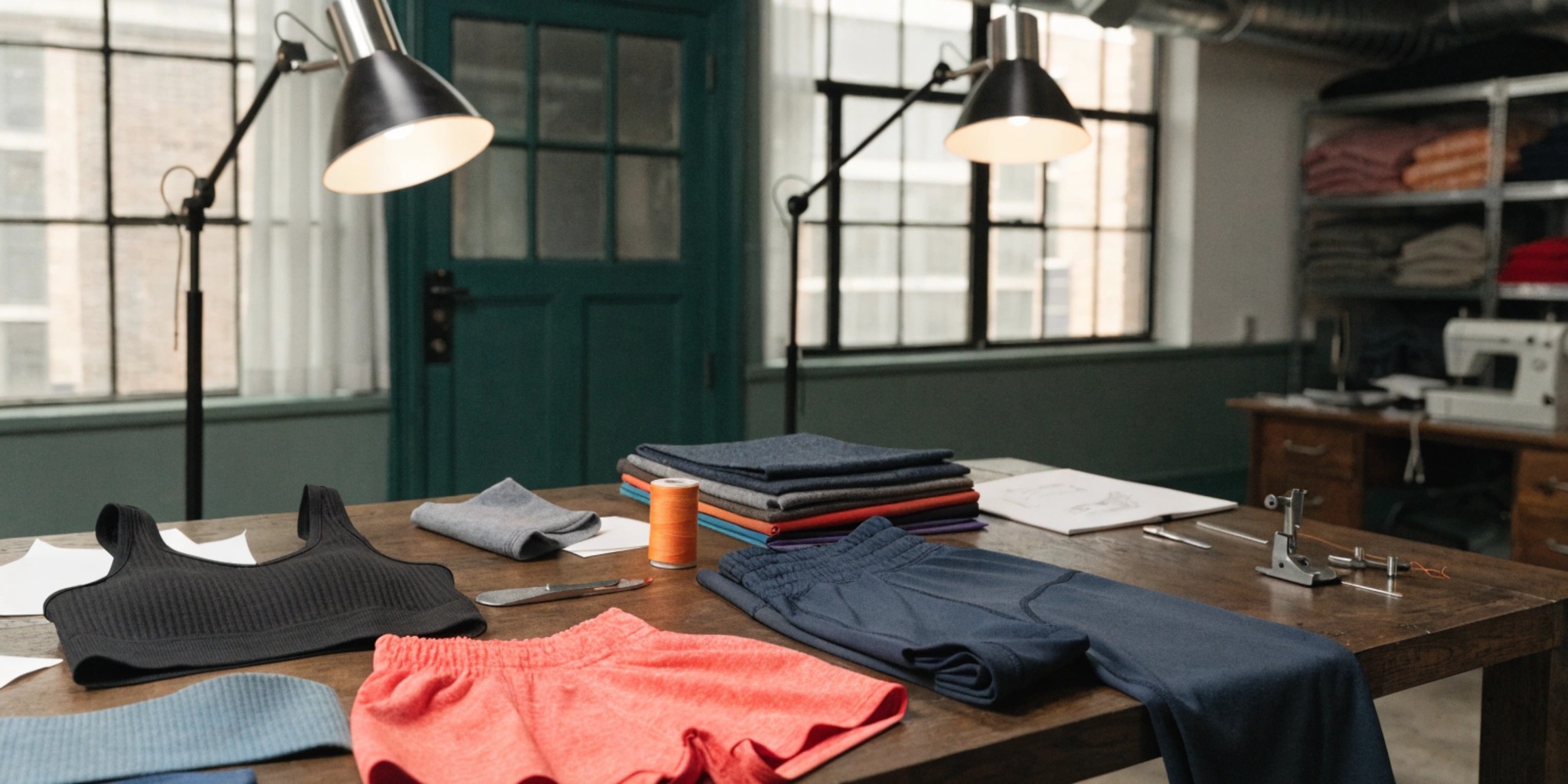
Private label athletic apparel refers to sportswear products that are manufactured by one company but sold under another brand’s name. Instead of producing clothing themselves, brands collaborate with specialized manufacturers who provide design assistance, fabric sourcing, production, and quality control.
This business model allows brands to launch custom sportswear lines while maintaining full ownership of their branding and marketing strategy.
This business model allows brands to launch custom sportswear lines while maintaining full ownership of their branding and marketing strategy.

Definition of Private Label Athletic Apparel
In a private label model, the manufacturer produces garments according to the brand’s requirements. These products carry the brand’s logo, labels, and packaging rather than the manufacturer’s branding.
Compared to generic wholesale clothing, private label products are customized and unique, which helps brands build stronger identity and market positioning.
Key characteristics include:
• Custom brand labels and logos
• Unique designs or modified styles
• Controlled product pricing
• Exclusive brand ownership
This model is widely used by fitness brands, yoga studios, e-commerce sellers, and startup apparel companies.
How the Private Label Manufacturing Process Works
The private label production process usually follows several key stages:
1. Product Concept and Design
The brand defines the product idea, including style, features, and target market.
2. Fabric Selection
Performance fabrics are chosen based on comfort, stretch, breathability, and durability.
3. Sampling and Prototype Development
A sample garment is produced for testing fit, functionality, and aesthetics.
4. Bulk Production
Once the sample is approved, the manufacturer proceeds with mass production.
5. Quality Inspection and Shipping
Finished garments are inspected, packed, and shipped to the brand’s warehouse or fulfillment center.
Manufacturers like ohsure often support brands throughout this entire process, helping them optimize materials, construction techniques, and branding elements.
Why Many Startups Choose Private Label Activewear
Launching an apparel brand traditionally required significant capital investment and manufacturing expertise. Private labeling eliminates many of these barriers.
For startups, the main advantages include:
• Lower production risks
• Faster product development cycles
• Access to professional manufacturing knowledge
• Reduced upfront infrastructure costs
Because of these benefits, private label athletic apparel has become one of the most popular entry points for new fashion and fitness brands.
What Are the Benefits of Private Label Athletic Apparel for Brands?
Private labeling provides numerous strategic advantages for both new and established brands. It allows businesses to create distinctive products while leveraging professional production capabilities.
Build Your Own Brand Identity
Brand identity is one of the most important factors in the fashion and activewear industry. Private labeling allows companies to create products that truly represent their brand.
Customization opportunities include:
• Logo printing or embroidery
• Custom woven labels
• Unique color combinations
• Personalized packaging
These branding elements help businesses stand out in the crowded fitness apparel market.
Higher Profit Margins Compared to Reselling
Many entrepreneurs begin by reselling generic sportswear products from wholesalers. While this approach is simple, it often results in limited profit margins and minimal brand differentiation.
Private label products offer greater control over pricing because they are exclusive to the brand. This enables companies to position their products in premium or niche markets and build stronger brand value.
Flexibility in Product Development
Private label manufacturing provides flexibility for brands to experiment with different product ideas.
Brands can:
• Launch seasonal collections
• Test new product designs
• Introduce limited edition items
• Adjust styles based on market feedback
Manufacturers such as ohsure often assist brands in optimizing product designs for better performance and cost efficiency.
Stronger Customer Loyalty
When customers recognize and trust a brand’s unique products, they are more likely to become repeat buyers.
Private label athletic apparel enables brands to create consistent product experiences, which helps build long-term customer loyalty.
What Types of Products Can Be Made as Private Label Athletic Apparel?
The athletic apparel market includes a wide range of product categories designed for fitness, training, and athleisure.
Private label manufacturers can produce nearly every type of sportswear product depending on the brand’s target audience.
Popular Private Label Activewear Categories
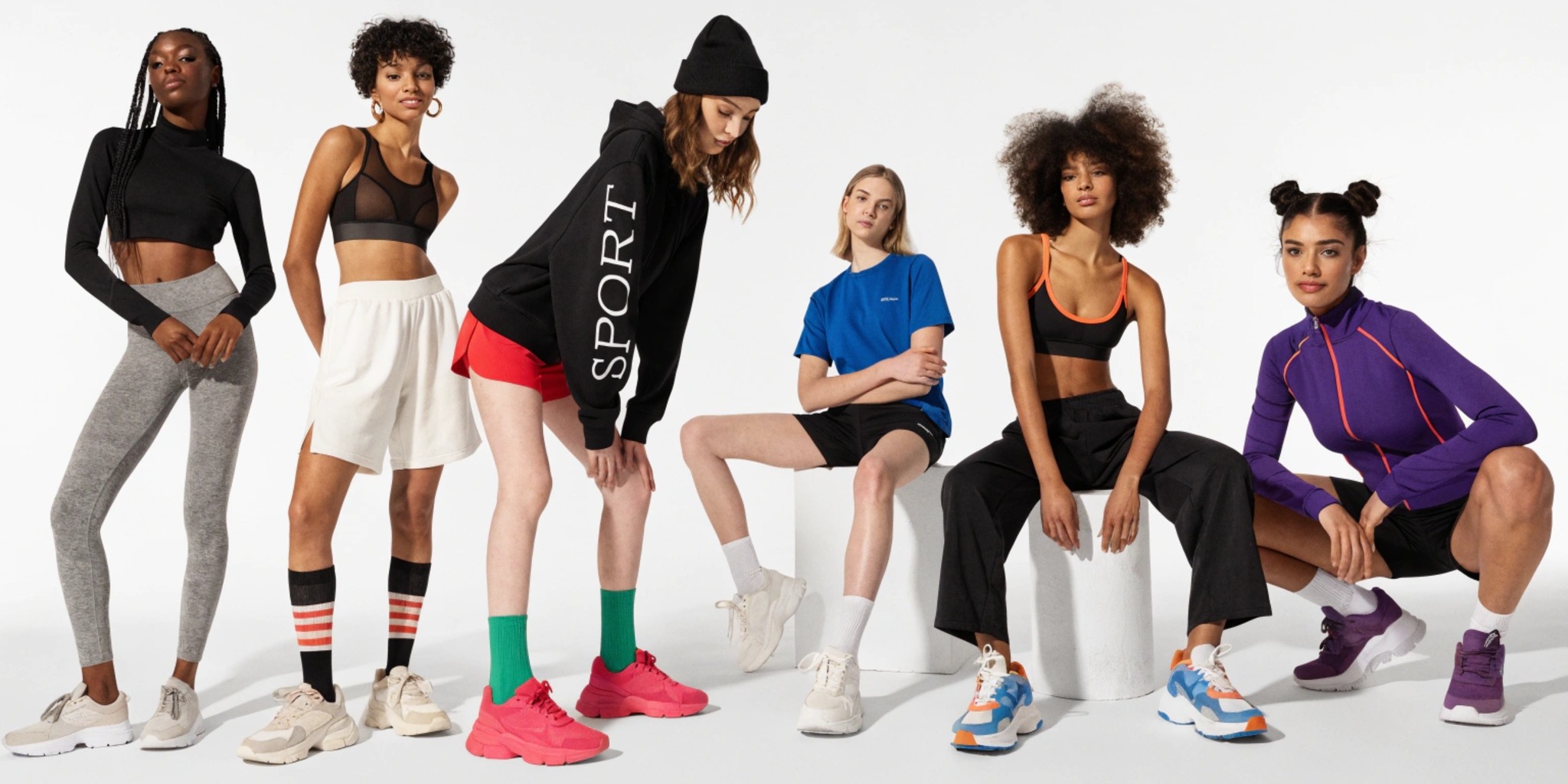
Some of the most common products include:
• Sports bras
• Yoga leggings
• Gym shorts
• Running shorts
• Athletic T-shirts
• Training hoodies
• Compression wear
• Workout jackets
These products are commonly used in activities such as yoga, gym training, running, and outdoor sports.
Athleisure vs Performance Sportswear
Modern athletic apparel often falls into two major categories.
Performance sportswear focuses on technical functionality. These garments are designed to support athletic performance through features such as compression, moisture control, and ergonomic construction.
Athleisure wear, on the other hand, combines athletic functionality with casual fashion. These garments can be worn both for workouts and everyday activities.
Many brands combine these two categories to create versatile product lines.
Fabric Technologies Used in Athletic Apparel
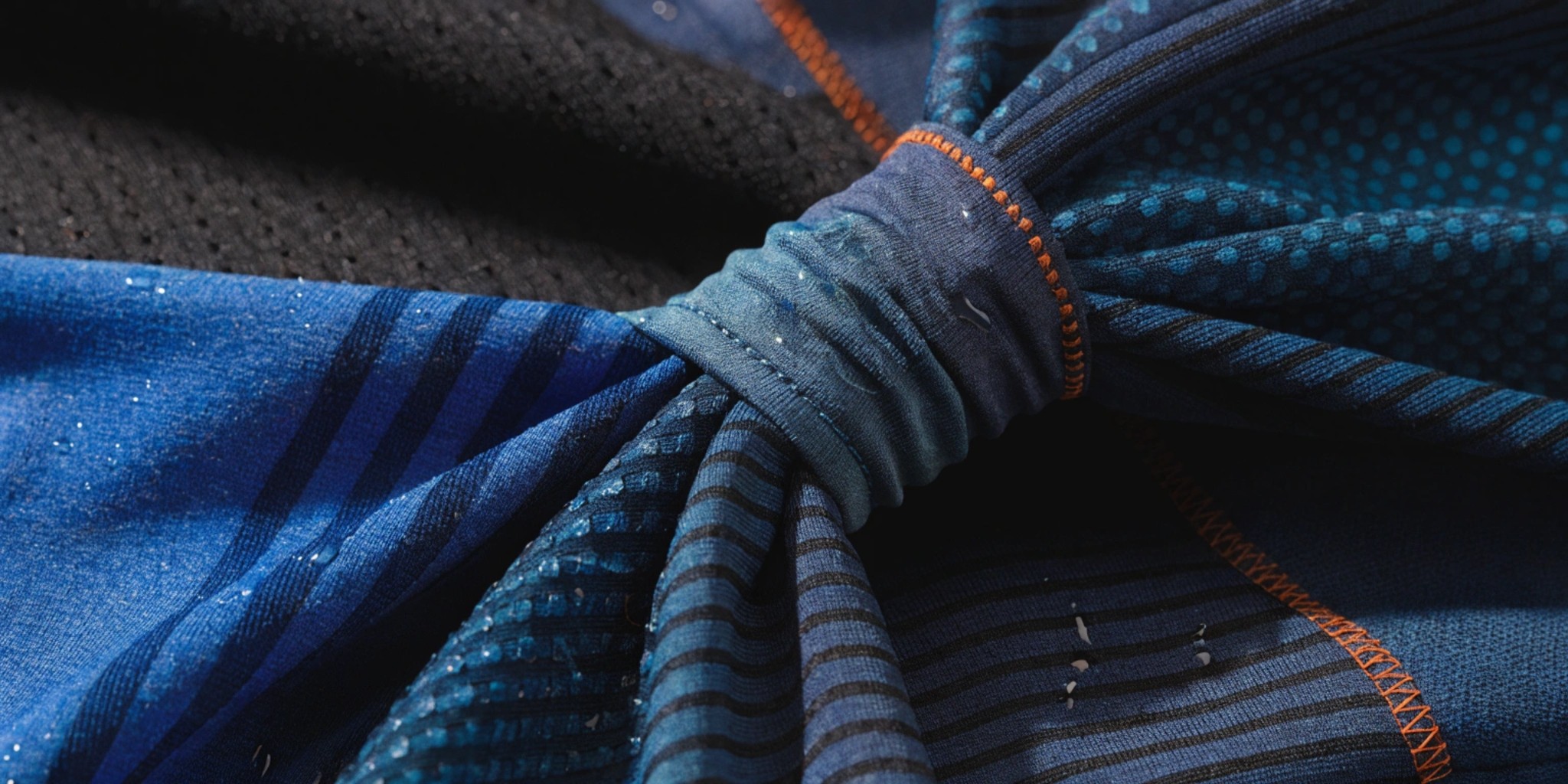
High-quality fabrics are essential for athletic apparel. Modern sportswear often incorporates advanced textile technologies to improve comfort and performance.
Common fabric features include:
• Moisture-wicking properties
• Four-way stretch for flexibility
• Breathable mesh panels
• Lightweight performance fabrics
• Anti-odor treatments
Manufacturers like ohsure help brands select fabrics that balance performance, durability, and cost efficiency.
Example Product Categories | |||
Product Category | Typical Fabric | Target Market | Customization Options |
Sports Bras | Nylon / Spandex | Yoga & Gym | Logo printing, custom straps |
Leggings | Polyester / Spandex | Fitness & Athleisure | Waistband design, pockets |
Running Shorts | Lightweight polyester | Runners | Reflective prints, mesh lining |
| Hoodies | Cotton blends | Athleisure | Embroidery, custom labels |
| Gym T-Shirts | Performance polyester | Training | Sublimation printing |
| This variety allows brands to build complete collections tailored to different fitness lifestyles. | |||
How Can Startups Choose the Right Private Label Athletic Apparel Manufacturer?
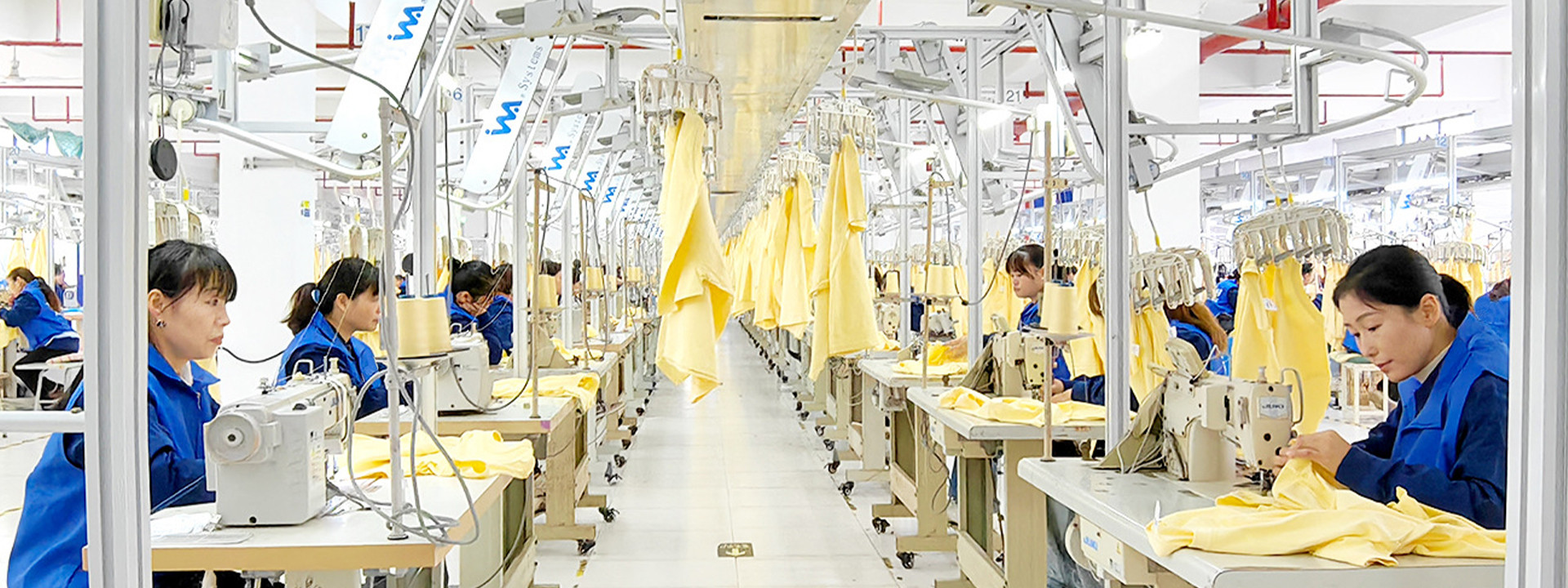
Selecting the right manufacturing partner is critical to the success of any apparel brand. A reliable manufacturer ensures consistent product quality, efficient production, and smooth communication.
Evaluate Manufacturing Experience
Not all clothing manufacturers specialize in athletic apparel. Sportswear production requires knowledge of technical fabrics, stretch construction, and performance features.
Brands should evaluate:
• The manufacturer’s experience in activewear production
• Previous projects or case studies
• Technical expertise in sportswear design
Minimum Order Quantity (MOQ)
Minimum order quantity is an important factor for startups.
Some factories require extremely large orders, which may not be feasible for small brands. Startup-friendly manufacturers offer flexible MOQs, allowing brands to launch products with manageable inventory levels.
Sampling and Product Development Support
A good manufacturer will provide strong product development support, including:
• Sample creation
• Pattern development
• Fit adjustments
• Material recommendations
This process ensures that the final product meets the brand’s expectations before full production begins.
Quality Control Standards
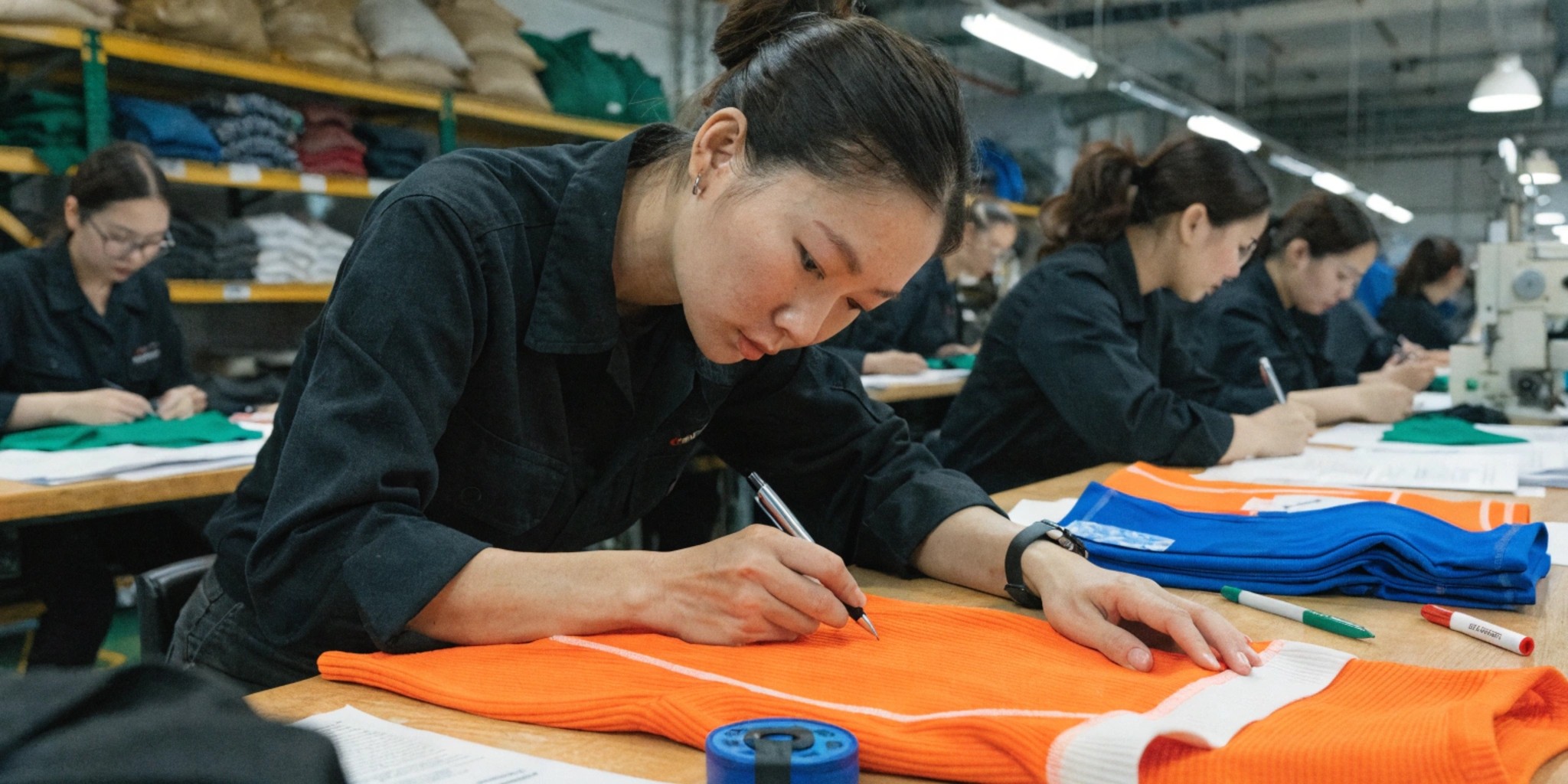
Quality control is essential in athletic apparel manufacturing because these garments must withstand frequent washing and intense physical activity.
Important quality checks include:
• Fabric performance testing
• Stitch strength inspection
• Color fastness testing
• Fit consistency verification
Experienced manufacturers such as ohsure implement structured quality control systems to maintain consistent production standards.
What Is the Typical Process of Creating Private Label Athletic Apparel?
Understanding the production process helps brands plan their product launches more effectively.
Step 1: Design and Product Planning
The process begins with defining the product concept. Brands typically provide:
• Style sketches
• Reference samples
• Technical specifications
These details help the manufacturer create accurate product prototypes.
Step 2: Sample Development
The manufacturer produces a prototype garment based on the provided specifications.
During this stage, brands evaluate:
• Fit and sizing
• Fabric performance
• Construction quality
• Design appearance
Several revisions may occur before the final sample is approved.
Step 3: Bulk Production
Once the sample is confirmed, the factory begins mass production.
Key production steps include:
• Fabric cutting
• Sewing and assembly
• Printing or embroidery
• Label attachment
Efficient production management ensures consistent product quality.
Step 4: Quality Inspection and Packaging
Before shipping, finished garments undergo final quality inspection.
Manufacturers check for:
• Sewing defects
• Fabric flaws
• Measurement accuracy
After inspection, products are packed according to the brand’s packaging requirements.
Step 5: Logistics and Delivery
The final stage involves shipping the products to the brand’s warehouse or fulfillment partner.
Reliable manufacturers such as ohsure often help coordinate logistics and export documentation, ensuring smooth international delivery.
Conclusion
Private label athletic apparel offers an excellent opportunity for brands and startups to enter the growing activewear market. By partnering with an experienced manufacturer, businesses can create unique products while minimizing production risks and operational complexity.
From custom sports bras and leggings to performance training wear, private label manufacturing enables brands to build distinctive product lines that reflect their identity and target audience.
Working with a professional manufacturing partner is essential for ensuring product quality, efficient production timelines, and long-term scalability. Experienced manufacturers like ohsure provide comprehensive support throughout the process—from product development and fabric sourcing to bulk production and global shipping.
For startups and growing brands, private label athletic apparel is not just a manufacturing solution. It is a powerful strategy for building a recognizable brand and achieving long-term success in the competitive sportswear industry.