
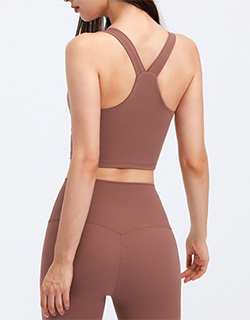
Custom Maternity Activewear: A Complete Manufacturing & Design Guide for Brands
As the global demand for maternity-focused performance wear continues to grow, custom maternity activewear has become a specialized product category rather than a simple extension of standard gym apparel. For activewear brands, maternity collections require deeper technical understanding, precise pattern engineering, and manufacturer-level decision-making that directly affects fit, safety, and customer satisfaction.
This guide explains how custom maternity activewear is designed and manufactured, what makes it different from regular activewear, and what brands should evaluate before entering production.
What Is Custom Maternity Activewear?
Custom maternity activewear refers to performance-oriented sportswear specifically engineered for pregnancy, developed through OEM or ODM manufacturing rather than off-the-shelf designs. Unlike standard activewear, maternity styles must accommodate continuous body changes across multiple trimesters while maintaining comfort, support, and safe compression levels.
Common custom maternity activewear categories include:
• Maternity sports bras with expandable support systems
• Maternity leggings and shorts with adaptive waistbands
• Nursing-friendly activewear tops
• Coordinated maternity gym sets for studio and low-impact training
Customization allows brands to control fit logic, fabric performance, sizing strategy, and branding—critical elements that directly influence return rates and long-term customer trust.
Customization allows brands to control fit logic, fabric performance, sizing strategy, and branding—critical elements that directly influence return rates and long-term customer trust.
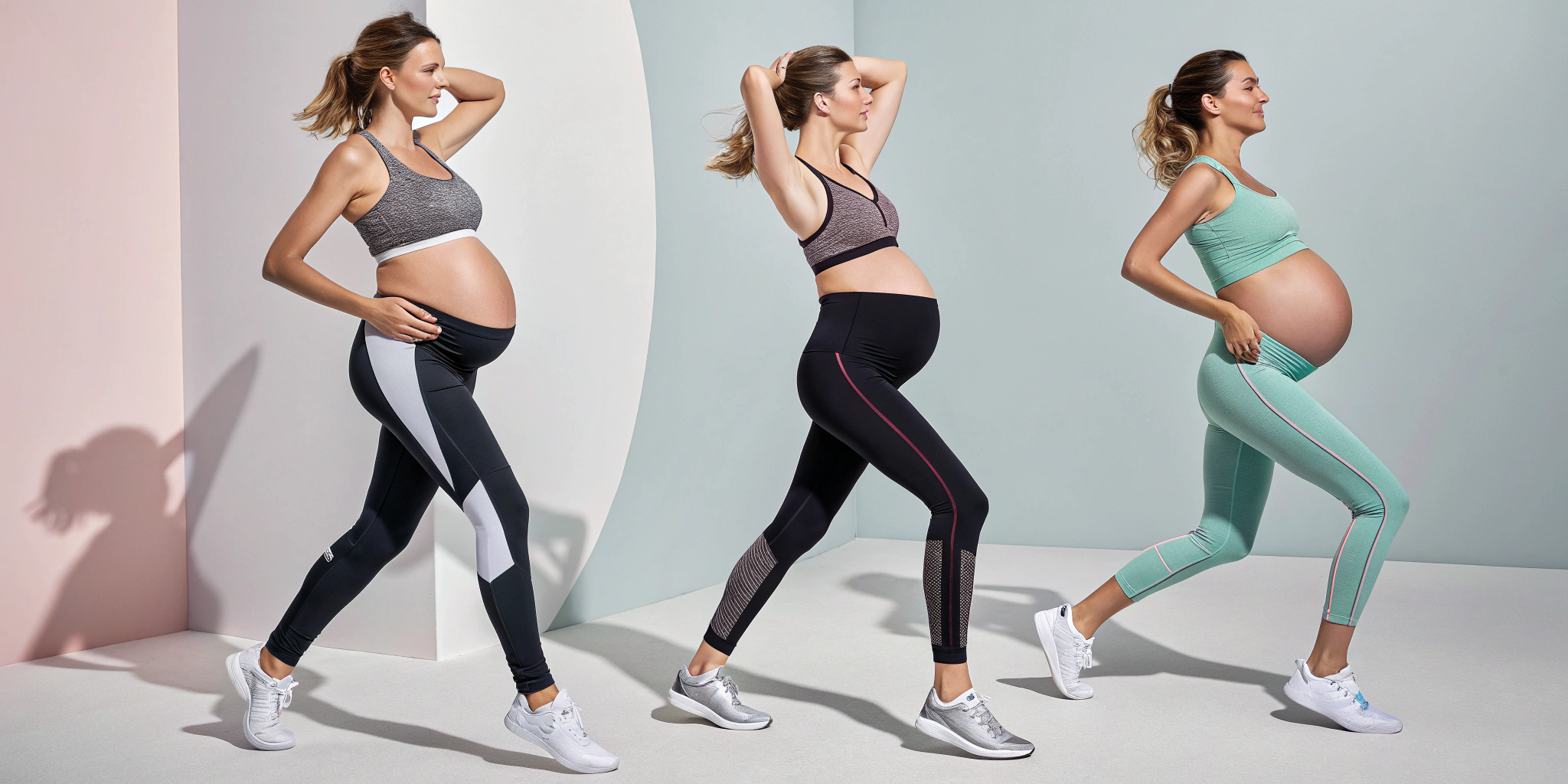
Why Maternity Activewear Requires Specialized Manufacturing
Pregnancy Body Changes Brands Must Design For
Pregnancy introduces structural changes that standard activewear patterns cannot support. A professional maternity manufacturer designs around:
• Abdominal expansion and pressure distribution, especially in the second and third trimesters
• Bust growth and evolving support needs, often requiring scalable cup and band structures
• Hip width and posture changes, which affect leg openings, rise length, and overall balance
Ignoring these factors often leads to waistband rolling, excessive compression, or restricted movement—common causes of negative reviews in maternity apparel.
Movement, Comfort & Safety Requirements
Maternity activewear must strike a precise balance between stretch and control. Over-compression can cause discomfort or circulation concerns, while insufficient support reduces garment stability during movement.
Key manufacturing considerations include:
• Controlled stretch zones rather than uniform compression
• Strategic seam placement to avoid abdominal friction
• High breathability and low irritation fabrics suitable for sensitive skin
These requirements significantly raise the technical threshold compared to standard activewear production.
Key Design Elements in Custom Maternity Activewear
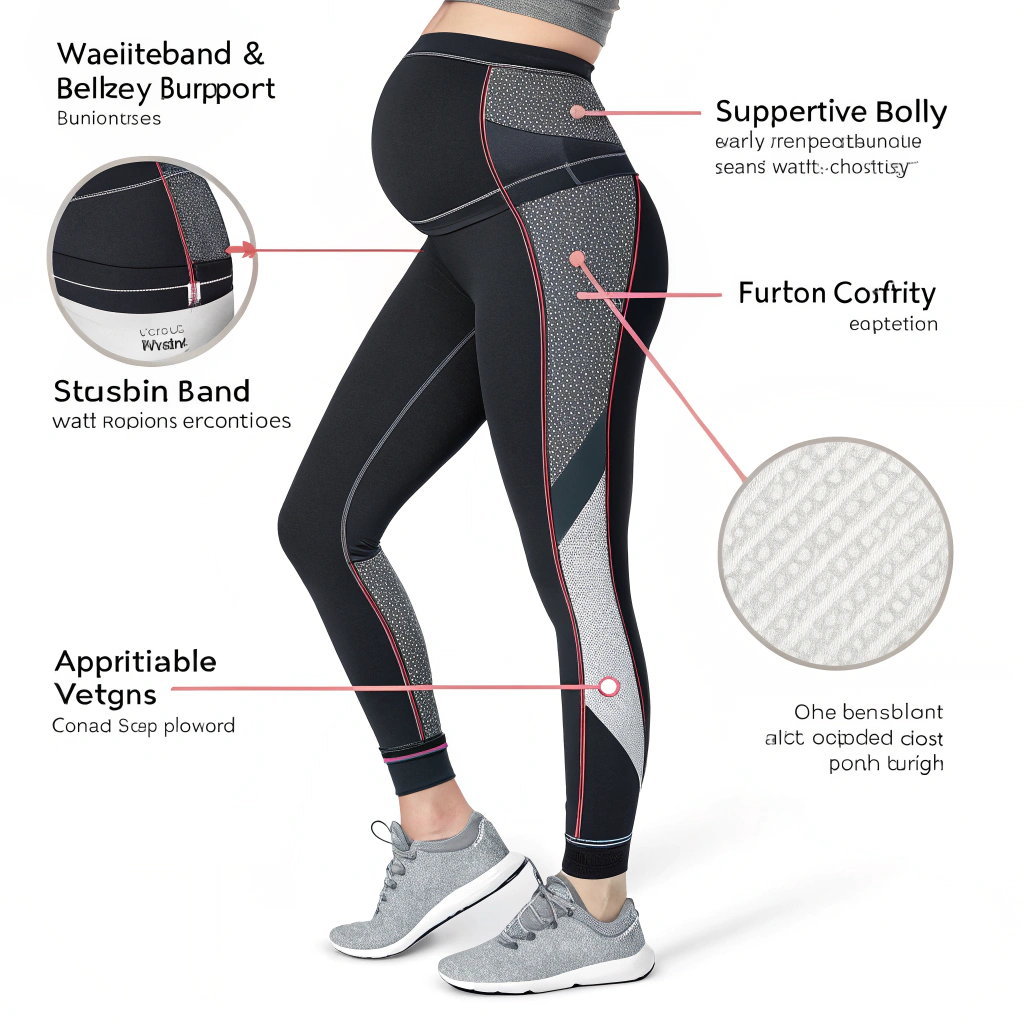
Waistband & Belly Support Systems
The waistband is the most critical component in maternity leggings and shorts. Common systems include:
• Over-belly designs, offering full abdominal coverage and gentle support
• Under-belly designs, preferred for early pregnancy or postpartum wear
• Elastic-free front panels, using fabric tension and knit structure instead of rubber bands
High-quality maternity waistbands are engineered to adapt across pregnancy stages without creating pressure points.
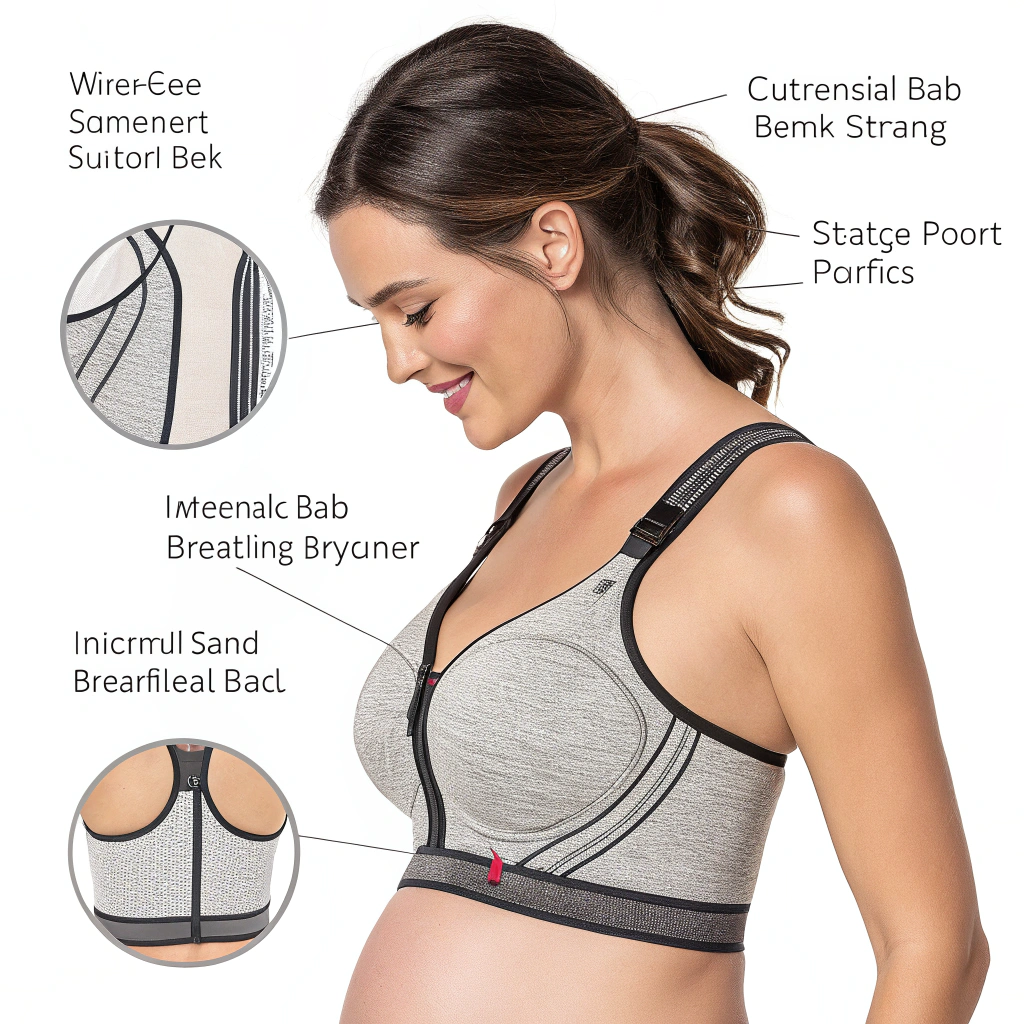
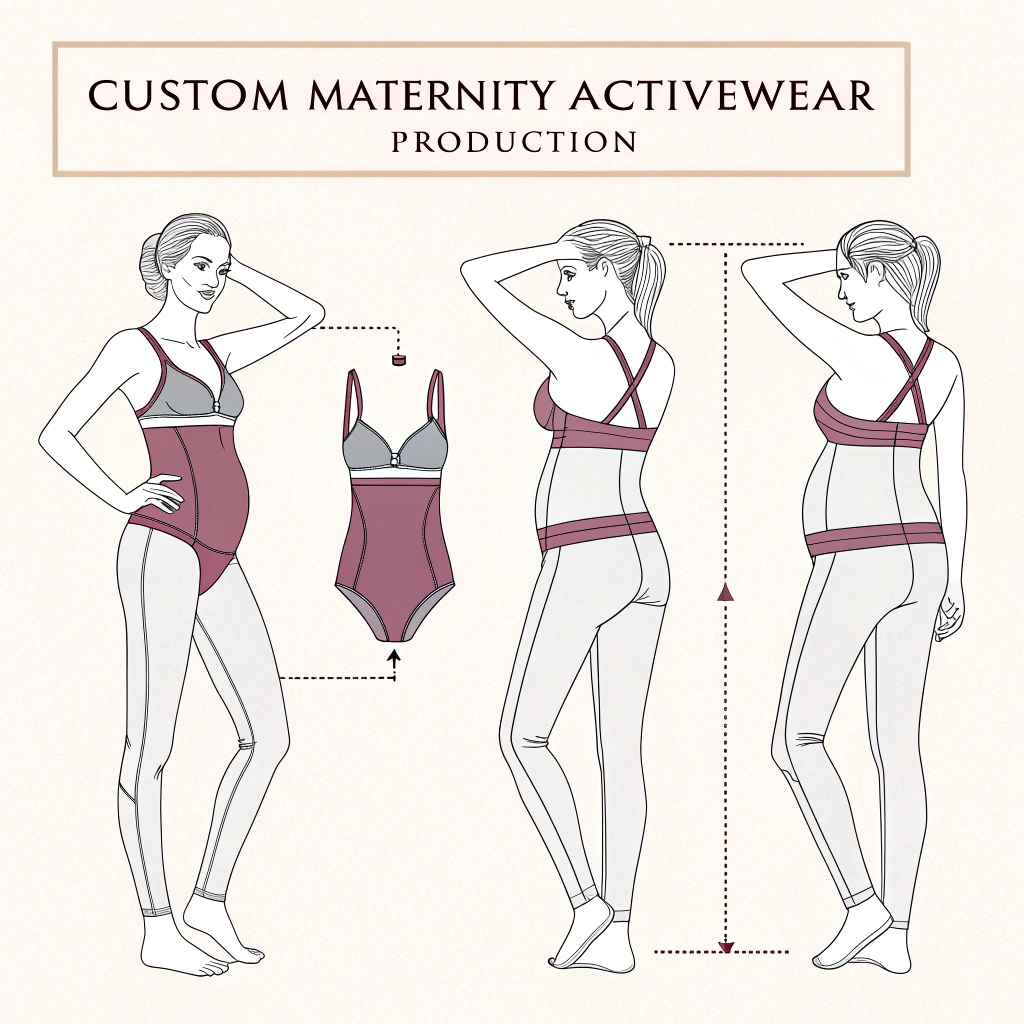
Maternity Sports Bra Construction
Maternity sports bras require different engineering from traditional sports bras. Core design features include:
• Wire-free structures with reinforced support zones
• Nursing access solutions such as clip-down or pull-aside cups
• Internal bra bands that expand with rib cage changes
Manufacturers must test these bras under motion, not just static fit, to ensure functional support.
Pattern Making & Size Grading for Pregnancy
Standard size grading does not work for maternity activewear. Professional manufacturers use multi-dimensional grading, adjusting rise length, front panel depth, and stretch tolerance differently from waist or hip measurements.
Incorrect grading is one of the most expensive mistakes brands make, often discovered only after bulk production.
Best Fabrics for Custom Maternity Activewear
Recommended Fabric Blends
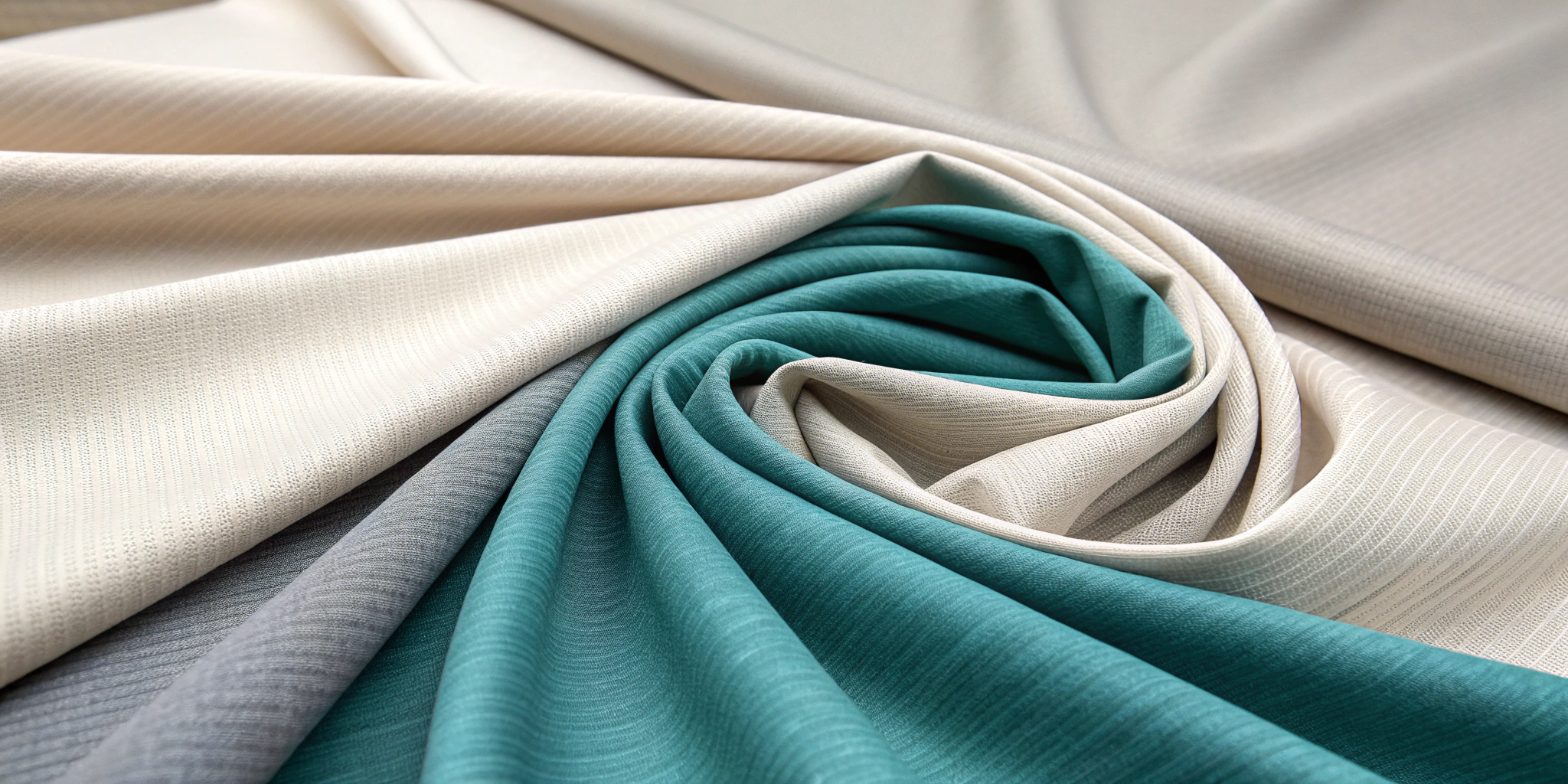
Material selection directly affects comfort, durability, and safety. Common choices include:
• Nylon–spandex blends for superior stretch recovery and abrasion resistance
• Polyester blends for color retention and cost efficiency
• Brushed or peach-finish fabrics for enhanced skin comfort
Fabric Performance Criteria for Pregnancy Wear
Manufacturers evaluate maternity fabrics based on:
• Stretch recovery after prolonged abdominal expansion
• Breathability and moisture management during low-impact workouts
• Opacity and anti-sheer performance under strain
• Fabric testing should simulate extended wear, not just initial stretch.
OEM & ODM Options for Custom Maternity Activewear Brands
OEM: Customizing Based on Your Tech Pack
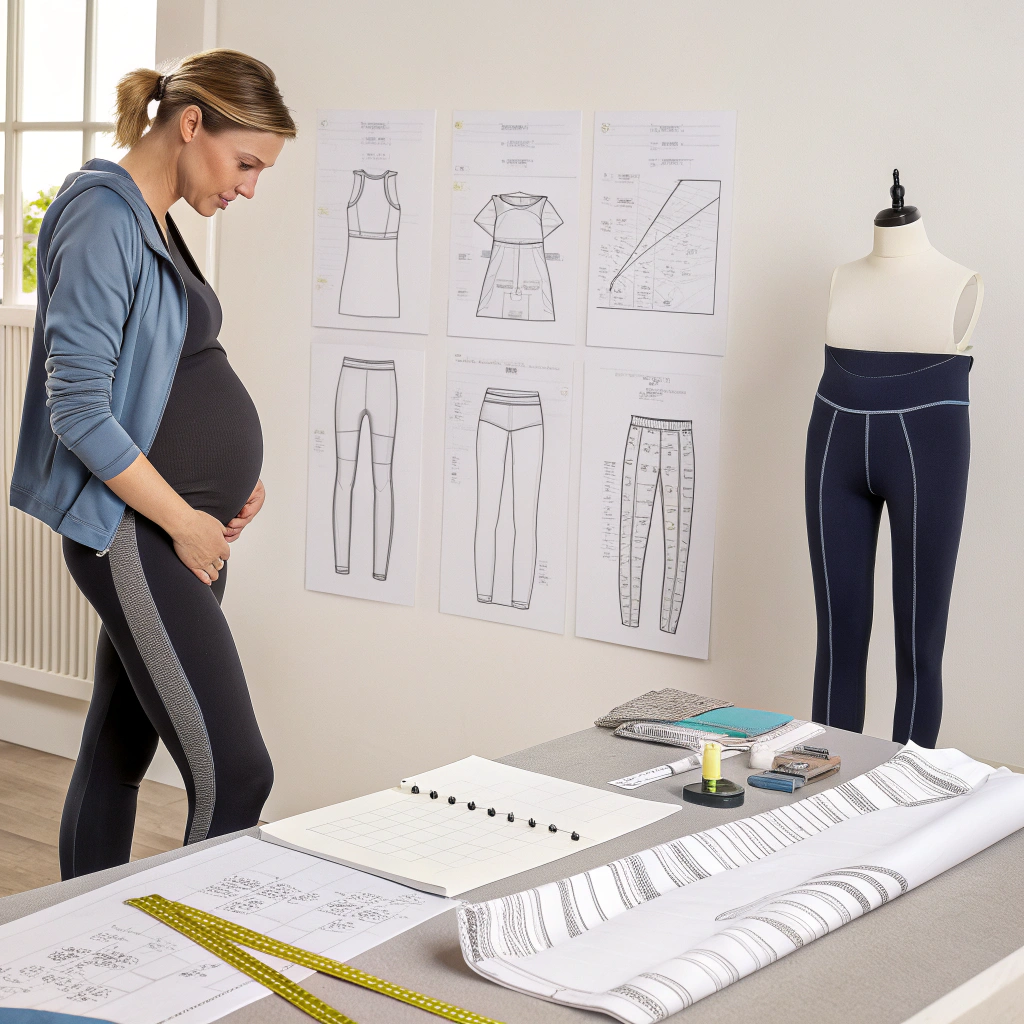
OEM manufacturing suits brands with existing designs and technical documentation. However, maternity tech packs must include:
• Trimester-based fit intent
• Stretch tolerance ranges for key panels
• Clear waistband construction diagrams
Incomplete tech packs are a leading cause of sampling delays and fit inconsistencies.
ODM: Developing Designs from Manufacturer Concepts
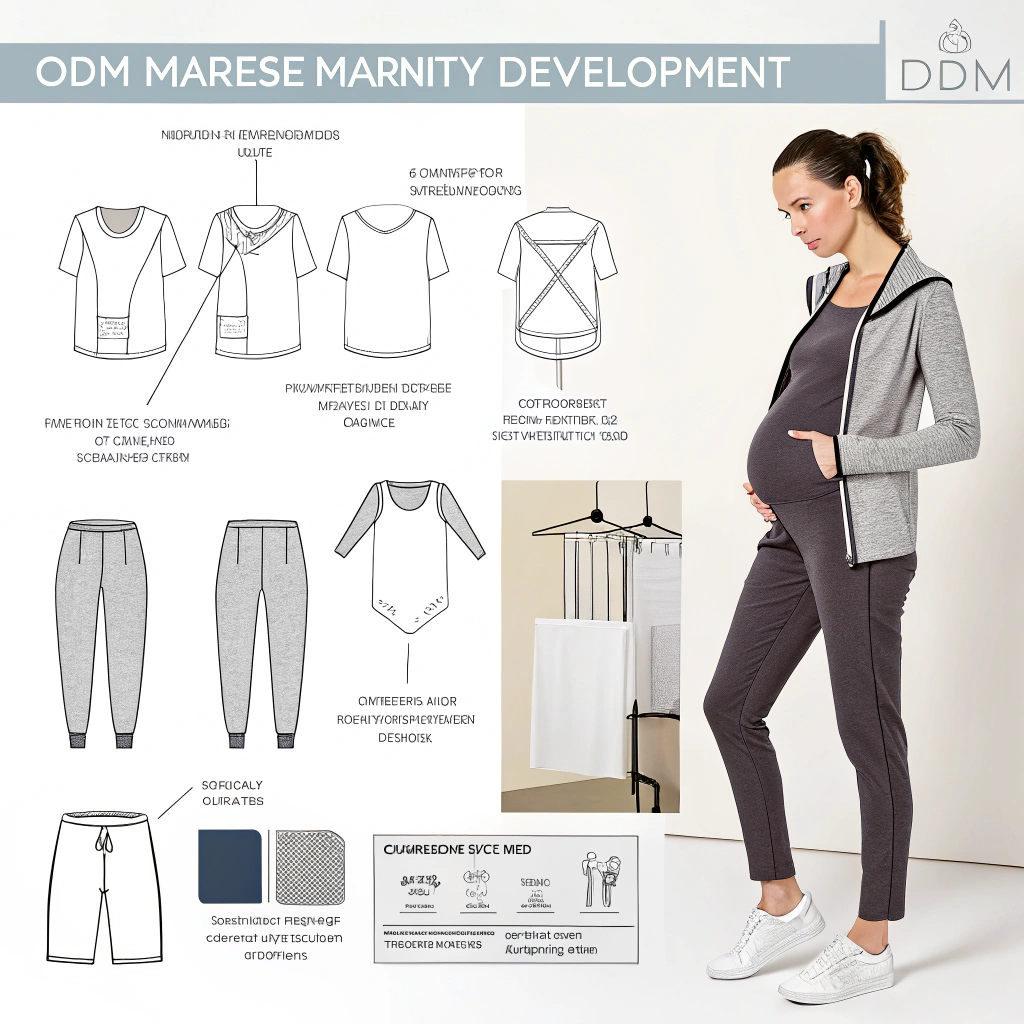
ODM is ideal for brands entering the maternity category. Manufacturers provide:
• Proven maternity-activewear design templates
• Trend-aligned silhouettes tested for pregnancy wear
• Faster development cycles with reduced revision risk
ODM often shortens time-to-market while lowering early-stage costs.
MOQ, Sampling & Production Timeline Expectations
Compared to regular activewear, maternity products usually require:
• Slightly higher sampling investment due to fit validation
• Multiple sample rounds covering different pregnancy stages
• Flexible MOQs for early-stage or test collections
Production lead times depend on fabric availability and complexity but should always account for additional fit approvals.
Quality Control Standards for Maternity Activewear Production
Effective quality control includes:
• Stretch and recovery testing under simulated pregnancy wear
• Seam strength testing in high-tension zones
• Size consistency checks across graded sets
Skipping these tests increases return rates and damages brand credibility.
How to Choose the Right Custom Maternity Activewear Manufacturer
Brands should evaluate manufacturers based on:
• Demonstrated maternity pattern-making experience
• Fabric sourcing knowledge for pregnancy-safe materials
• Clear communication during sampling and revisions
• Ability to support small-batch and scalable production
A maternity-specialized manufacturer reduces both technical and commercial risk.
Custom Maternity Activewear Trends Brands Should Watch
• Pregnancy-to-postpartum convertible designs
• Sustainable and recycled maternity fabrics
• Seam-minimized, second-skin constructions
These trends favor manufacturers with advanced development capabilities rather than basic cut-and-sew factories.
FAQ: Custom Maternity Activewear Manufacturing
What is the typical MOQ for custom maternity activewear?
MOQs vary by style and fabric but are often negotiable for test collections.
How many sizes should maternity activewear include?
Most brands cover at least three to five sizes with stretch-adaptive grading.
Is maternity activewear suitable for high-impact workouts?
Most maternity designs are intended for low- to medium-impact activities unless specifically engineered otherwise.