
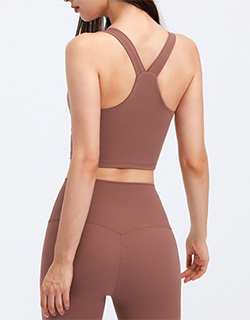
Custom Maternity Shirts Trends: What Pregnancy Wear Consumers Want
The maternity wear market is evolving rapidly as today’s pregnancy wear consumers demand more than just basic comfort. Modern expecting mothers are looking for clothing that combines comfort, functionality, style, and long-term value, while brands are under pressure to respond quickly with well-designed, customizable products.
For maternity wear brands, wholesalers, and private label owners, understanding current custom maternity shirt trends is essential to staying competitive. In this article, we break down what pregnancy wear consumers truly want and how brands can turn these insights into successful product lines.
Why Maternity Shirt Trends Matter for Brands
Maternity shirts are no longer seasonal or niche products. With the rise of e-commerce, social media influence, and direct-to-consumer brands, pregnant women are more informed and selective than ever.
From a brand perspective, following maternity wear trends helps to:
• Reduce product development risks
• Improve sell-through rates
• Strengthen brand identity in a crowded market
• Build long-term customer loyalty beyond pregnancy
Custom maternity shirts, in particular, allow brands to differentiate through fit, fabric, and design—rather than competing on price alone.
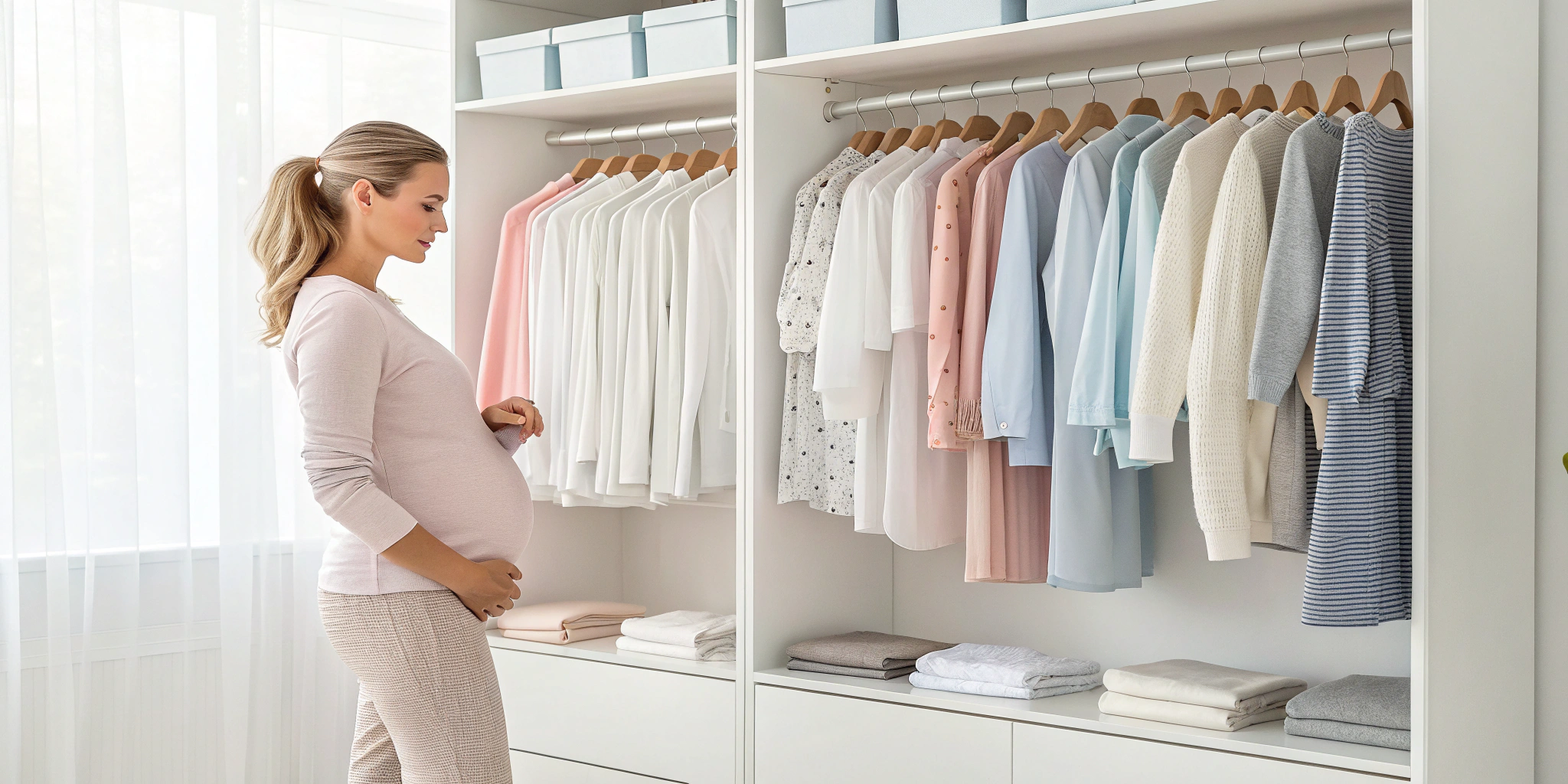
Trend 1: Comfort-First Fabrics with Performance Features
Comfort remains the top priority for pregnancy wear consumers, but expectations have evolved beyond simple softness.
What Consumers Want:
• High-stretch fabrics that adapt to a growing belly
• Breathable and moisture-wicking materials for daily wear
• Lightweight, non-restrictive fabrics that feel natural on the skin
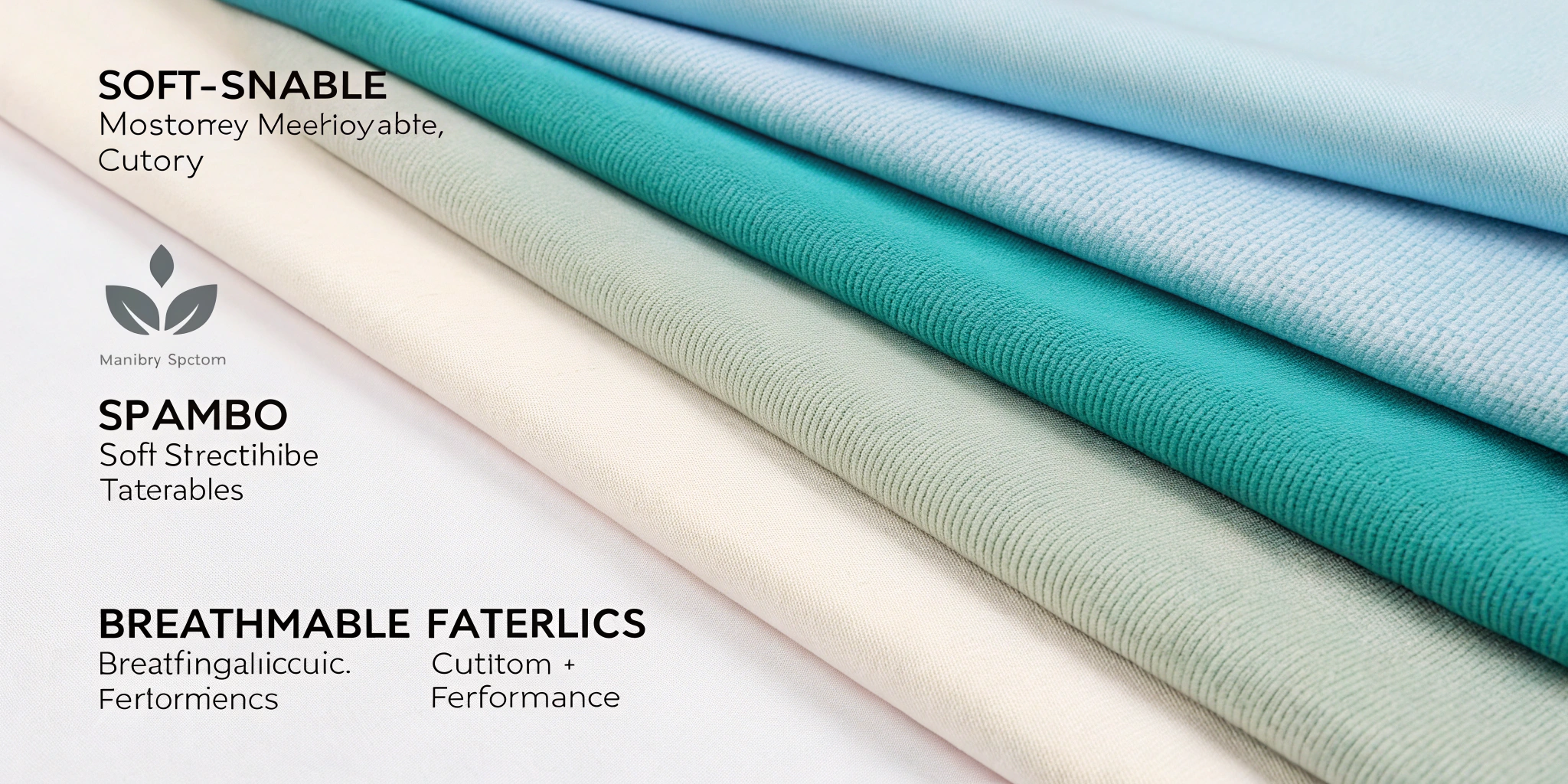
Popular fabric choices include cotton-spandex blends, modal, bamboo viscose, and performance knits with four-way stretch. Increasingly, brands are also seeing interest in sustainable and eco-friendly fabrics, especially among premium and ethically focused labels.
What This Means for Brands:
Working with a manufacturer that offers fabric customization and performance testing is critical. Fabric selection directly impacts comfort, durability, and customer satisfaction—key factors in repeat purchases and positive reviews.
Trend 2: Functional Design for Every Stage of Pregnancy
Today’s maternity shirts must do more than simply “fit.” Consumers expect garments that adapt throughout pregnancy and beyond.
Key Functional Design Features:
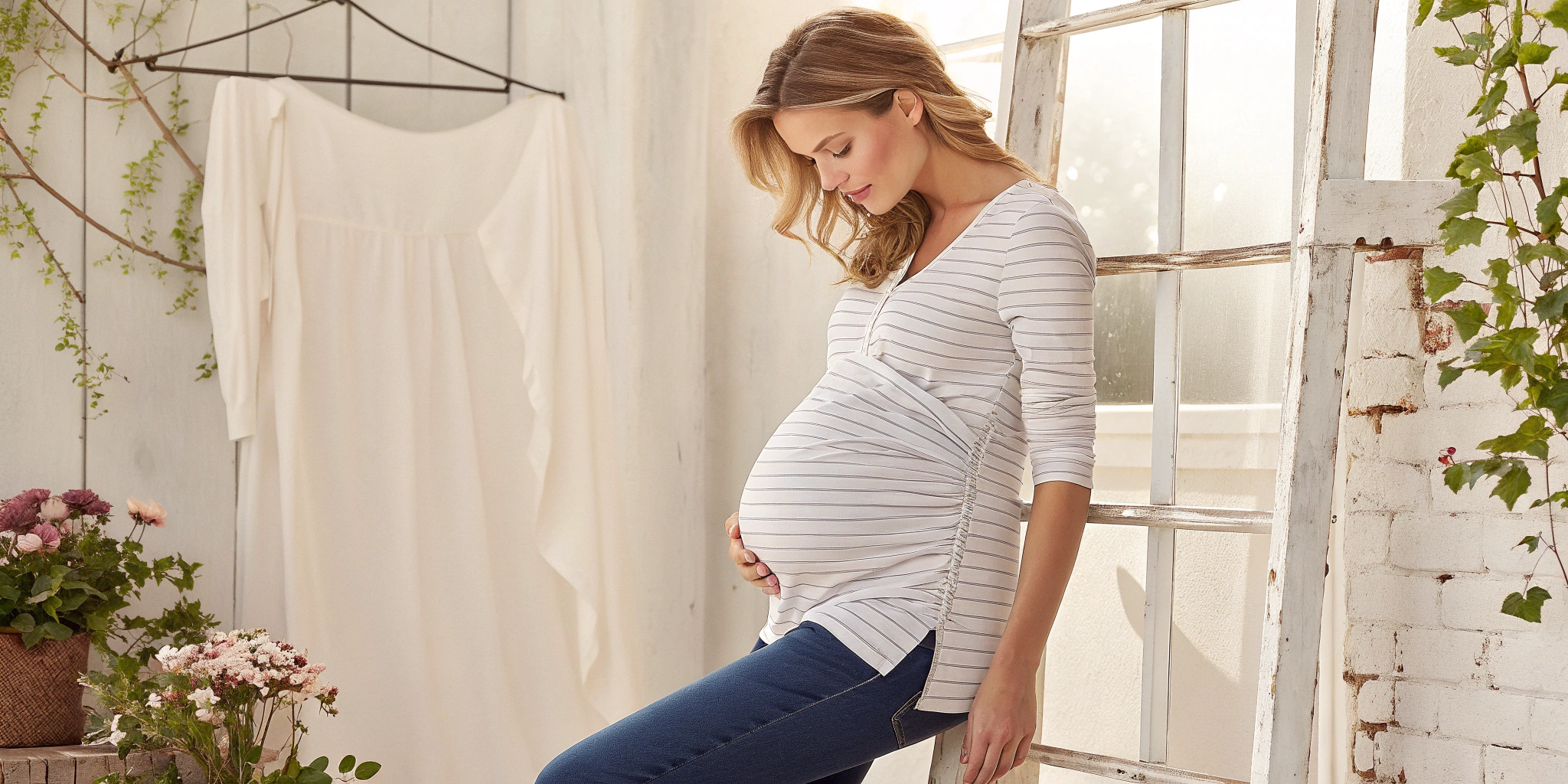
• Extra belly room with smart pattern construction
• Side ruching or panel designs that expand naturally
• Adjustable hems or stretch zones for trimester transitions
Another growing trend is multi-stage wearability—maternity shirts designed for pregnancy, nursing, and postpartum use. This added functionality increases perceived value and justifies a higher retail price.
Brand Opportunity:
Functional design is where custom OEM and ODM development truly shines. Brands that invest in thoughtful construction gain a strong competitive edge.
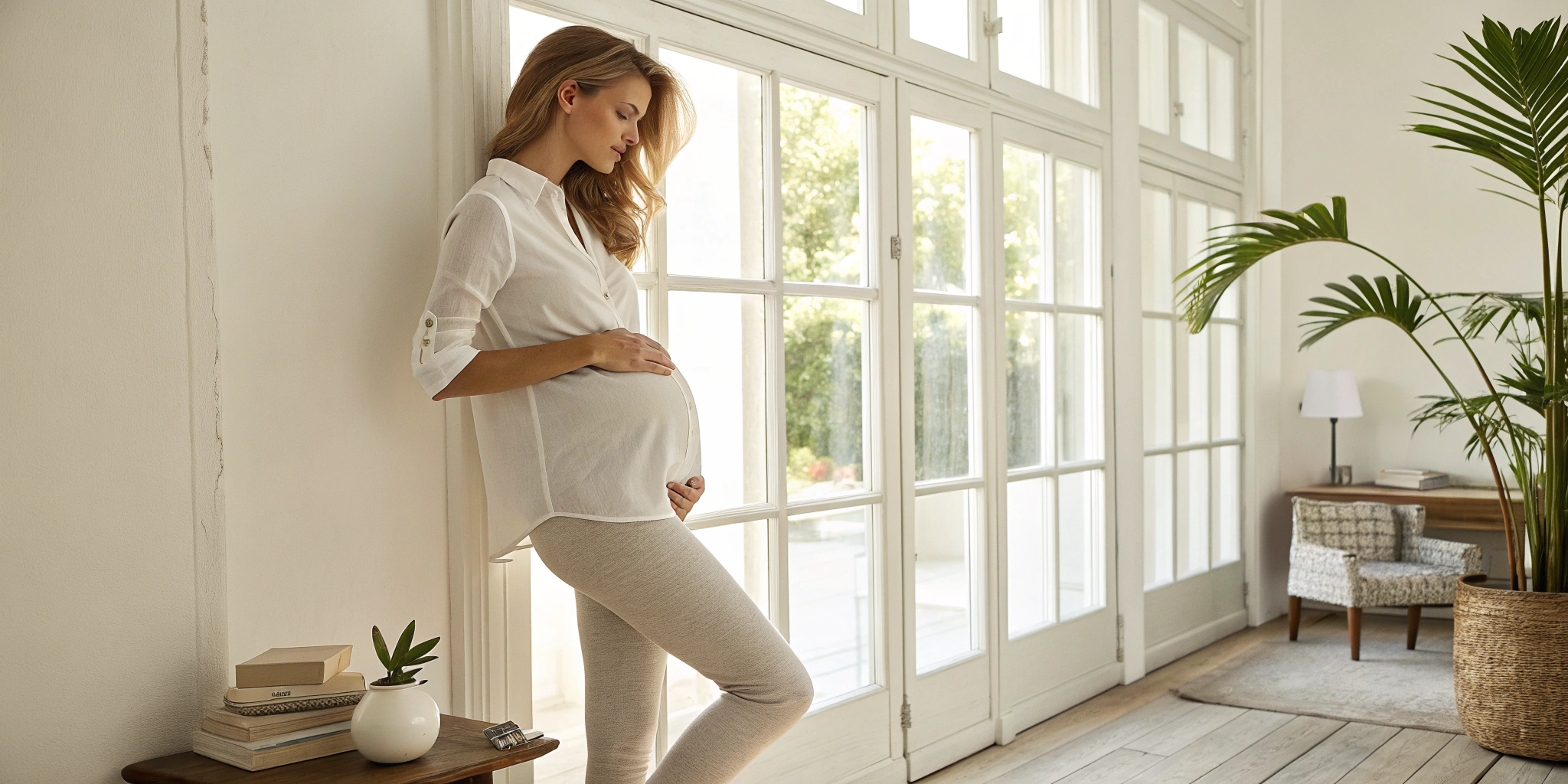
Trend 3: Minimalist & Everyday Styling
Modern pregnancy wear consumers no longer want clothing that looks “obviously maternity.”
Current Style Preferences:
• Clean silhouettes and minimalist aesthetics
• Neutral and earthy color palettes
• Easy-to-style basics suitable for home, work, and casual outings
Many pregnant women prefer maternity shirts that blend seamlessly into their everyday wardrobe, allowing them to feel confident and stylish—not limited by pregnancy-specific designs.
Why It Matters:
Brands that focus on timeless basics instead of seasonal novelty can build longer-lasting product lines with consistent demand.
Trend 4: Customization & Private Label Demand
Customization has become a major driver in maternity wear sourcing.
Popular Custom Options Include:
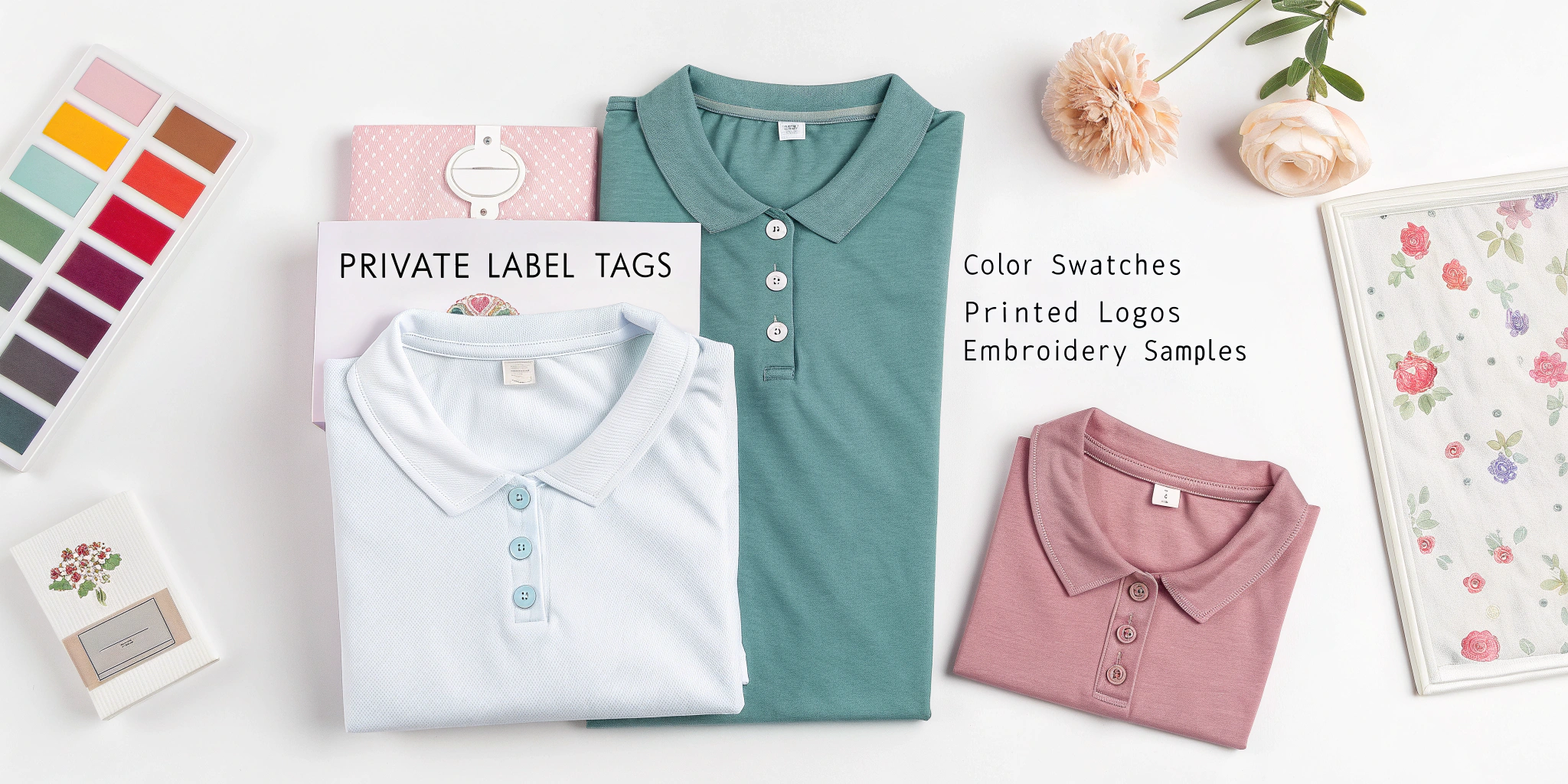
• Private label branding (neck labels, care labels, hangtags)
• Custom colors and Pantone matching
• Custom prints, embroidery, or minimal logo placement
Startups and growing brands are also increasingly looking for low MOQ manufacturing to test new designs without heavy inventory risk.
Manufacturer Selection Tip:
Choosing a maternity shirt manufacturer that supports small batch production, fast sampling, and full private label services is essential for scaling efficiently.
Trend 5: Inclusive Sizing & Better Fit Expectations
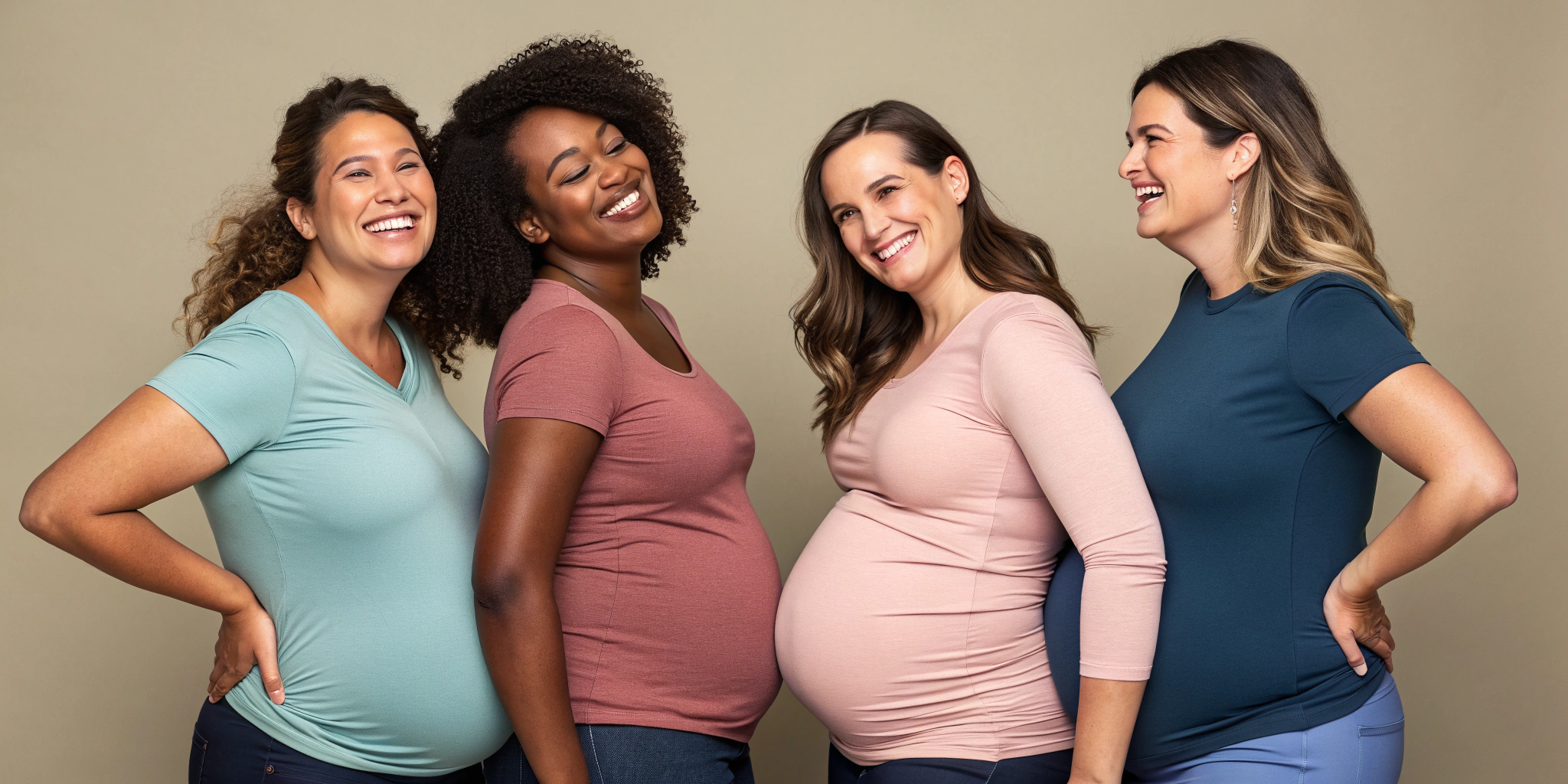
Inclusivity is no longer optional in pregnancy wear.
Consumer Expectations:
• Extended size ranges from XS to XXL and Plus Sizes
• Thoughtful grading for different body proportions
• Consistent fit across colors and fabric variations
Poor fit remains one of the top reasons for maternity wear returns, making precise sizing and grading a critical success factor.
Brand Insight:
Inclusive sizing is not just about ethics—it’s a commercial advantage that expands your market reach and reduces return rates.
What These Trends Mean for Maternity Wear Brands
Together, these trends highlight a clear shift: pregnancy wear consumers want value-driven, versatile, and thoughtfully designed products.
For brands, this means:
Investing in better fabric sourcing
Prioritizing functional design over decorative elements
Partnering with manufacturers who understand maternity-specific pattern making
Using customization to build brand identity rather than generic products
Brands that respond quickly to these expectations are far more likely to succeed in today’s maternity wear market.
Choosing the Right Custom Maternity Shirt Manufacturer
To capitalize on these trends, selecting the right manufacturing partner is crucial.
Key Factors to Evaluate:
Fabric development and sourcing capabilities
Experience with maternity-specific patterns and grading
Flexible MOQ and scalable production capacity
Quality control from sampling to bulk production
A reliable custom maternity shirt manufacturer acts as a strategic partner, not just a supplier—helping brands turn ideas into commercially successful products.
Conclusion: Turning Trends into Best-Selling Maternity Shirts
The future of maternity wear lies in comfort-driven design, functional versatility, and brand-level customization. Pregnancy wear consumers are more discerning than ever, and brands that understand these expectations will stand out in a competitive global market.
By aligning product development with current maternity shirt trends and working with the right manufacturing partner, brands can create collections that resonate with modern mothers—and drive long-term growth.
Partner with an experienced OEM/ODM manufacturer to bring your designs to life with flexible MOQ, premium fabrics, and full private label support.