
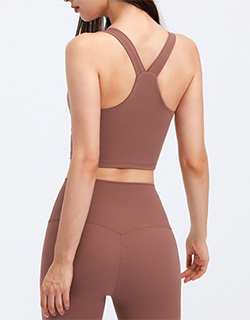
How to Develop Custom Maternity Activewear for Your Fitness or Maternity Brand
Introduction
Maternity activewear is not a simple extension of regular fitness apparel. It is a specialized product category that sits at the intersection of performance wear, maternity clothing, and everyday comfort. Brands that approach maternity activewear as “just larger sizes” of existing styles often encounter fit issues, comfort complaints, and low repeat purchase rates.
This guide is written for fitness brands, maternity brands, and private label buyers who want to develop custom maternity activewear with a long-term product mindset. Rather than focusing on trends or surface-level design, it explains how real pregnancy-related changes affect pattern development, fabric selection, manufacturing processes, and quality control. Understanding these fundamentals is critical before investing in sampling or bulk production.

Understand the Real Needs of Pregnant Wearers
Successful maternity activewear development starts with understanding how pregnancy changes the body and how those changes translate into functional design requirements.
Key Body Changes During Pregnancy
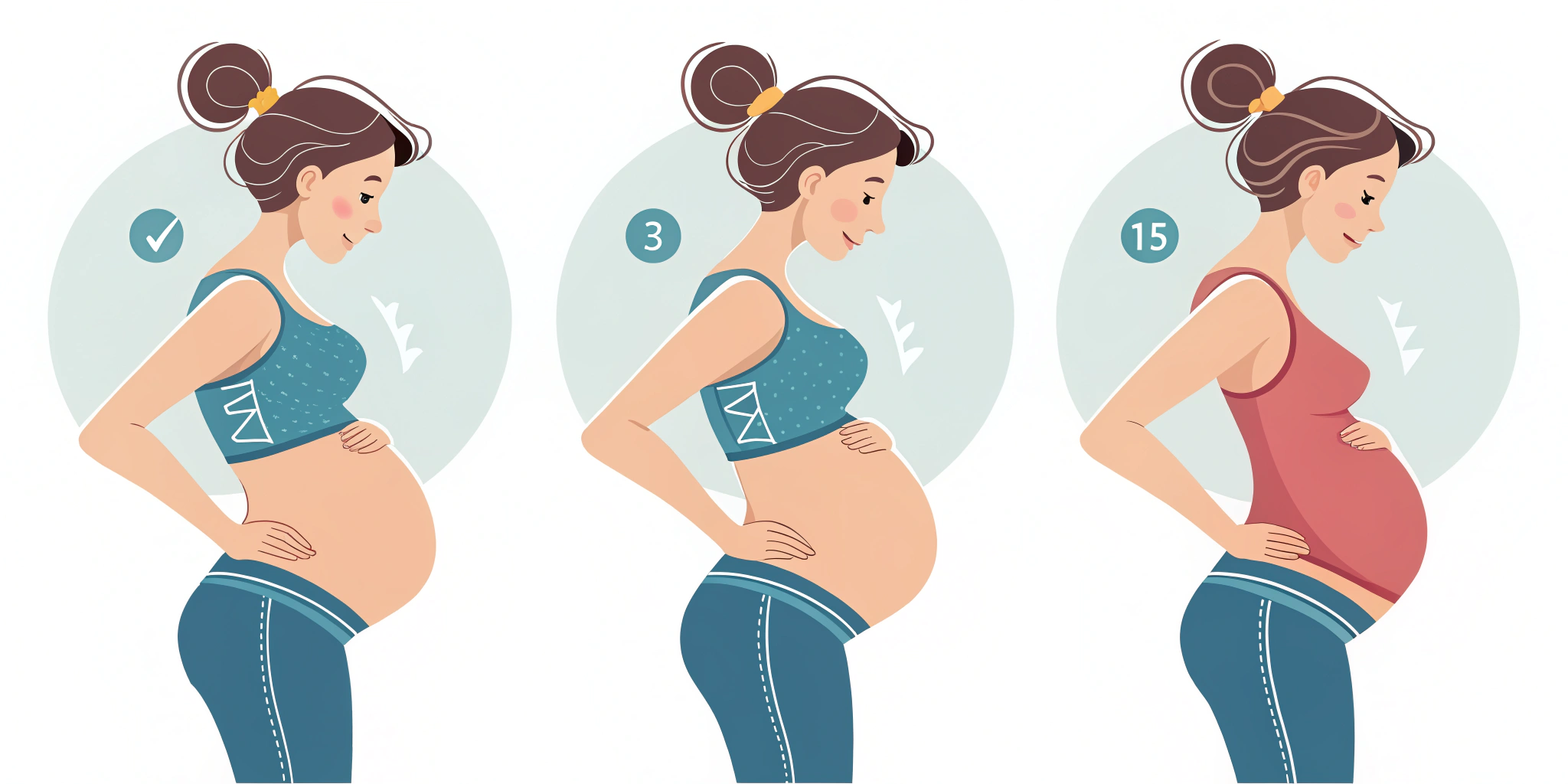
During pregnancy, the abdomen expands progressively, but not uniformly. Early-stage pregnancy often requires flexibility without visible looseness, while later stages demand structured accommodation for volume and weight. Designs that fail to consider this progression tend to feel restrictive in later months or overly loose at the beginning.
Bust growth also creates changing support needs. Traditional sports bra grading rules rarely apply, as rib cage expansion and breast tissue sensitivity alter how pressure is distributed. Meanwhile, hip width, pelvic tilt, and posture shifts affect legging rise, seam placement, and overall balance of garments.
Movement and Comfort Scenarios to Design For
Most pregnant wearers prioritize low- to moderate-impact activities such as yoga, walking, stretching, and daily athleisure wear. This means maternity activewear must perform across both movement and extended wear scenarios. Waistbands, seams, and support zones that feel acceptable during short workouts may become uncomfortable during all-day use.
Postpartum transition is another overlooked scenario. Many customers expect maternity activewear to remain wearable after delivery, which influences stretch recovery, shape retention, and support design.
What Makes Maternity Activewear Different from Regular Activewear
Maternity activewear requires structural decisions that differ fundamentally from standard performance wear.
Fit Structure and Pattern Adjustments
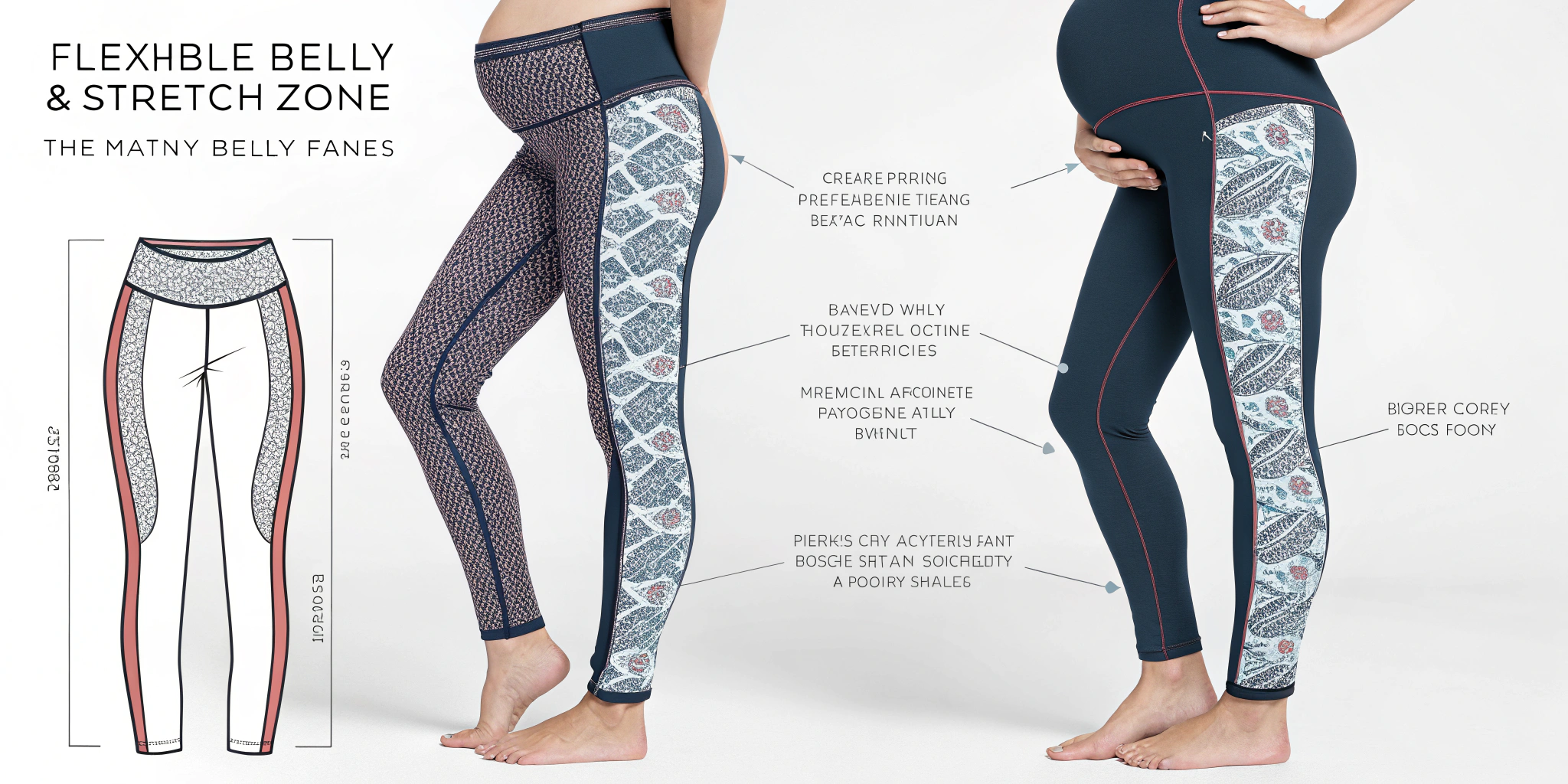
Simply increasing garment measurements does not account for how pregnancy changes body proportions. Belly panels, under-belly waist constructions, and hybrid waistband systems must be engineered to expand without collapsing or rolling. Seam placement becomes critical, as seams crossing high-movement or high-pressure zones can cause irritation.
Growth allowance must be built into the pattern in a controlled way. Without proper zoning, garments may stretch excessively in one area while losing shape in others, leading to premature fabric fatigue.
Safety, Support, and Wearability Standards
Compression must be carefully controlled. While light support can help stabilize muscles, excessive compression around the abdomen or lower back can create discomfort or perceived safety concerns. Equally important is avoiding pressure points caused by elastic edges, internal bands, or poorly finished seams.
Maternity activewear must also prioritize skin-friendliness. Hormonal changes often increase skin sensitivity, making construction quality and material choice more critical than in standard activewear.
Choosing the Right Fabrics for Maternity Activewear
Fabric selection is one of the most decisive factors in maternity activewear performance and longevity.
Stretch, Recovery, and Long-Term Wear
Initial stretch alone is not sufficient. Fabrics must demonstrate strong stretch recovery to maintain fit over months of repeated wear and washing. Poor recovery leads to sagging belly panels, slipping waistbands, and loss of support.
Manufacturers often recommend testing fabrics under extended stretch conditions rather than relying solely on standard elongation tests. This helps predict how materials will behave throughout the pregnancy lifecycle.
Breathability, Softness, and Skin Safety
Temperature regulation is essential, as many pregnant wearers experience increased heat sensitivity. Breathable constructions, moisture management, and soft surface finishes reduce discomfort during both exercise and daily wear.
Transparency and fabric thinning under stretch should also be evaluated carefully. Fabrics that perform well in standard activewear may become sheer when stretched over the abdomen.
Sustainable and Eco-Friendly Options
Many brands explore recycled or eco-friendly fabrics for maternity lines. While these options can align with brand values, they must be assessed for durability, stretch recovery, and colorfastness. Sustainability should not compromise comfort or performance, especially for maternity use.

Designing Functional Maternity Activewear Styles
A focused product lineup is more effective than a wide but shallow collection.
Core Product Categories
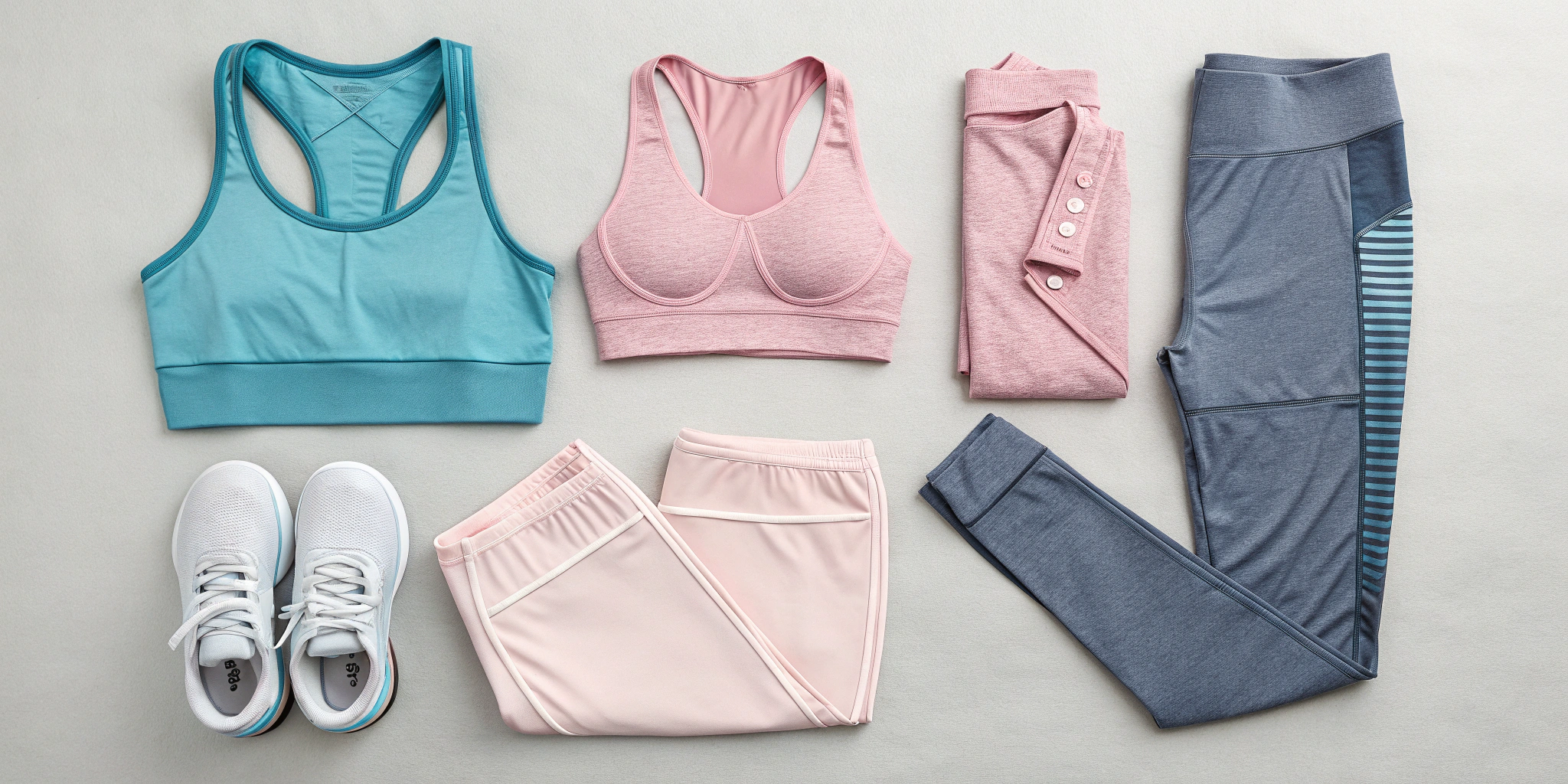
Maternity leggings and yoga pants are typically the foundation of any maternity activewear line, as they address the most significant fit challenges. Maternity sports bras and tanks require specialized support logic, while tops and layering pieces must balance drape with structure.
Starting with a limited number of core styles allows brands to refine fit and fabric choices before expanding the collection.
Details That Matter in Real Wear
Functional details often determine customer satisfaction. Adjustable waist systems, internal support structures, and well-positioned elastic components can significantly improve comfort. Ease of putting garments on and taking them off is another practical consideration, particularly in later pregnancy stages.
OEM and ODM Development Process for Maternity Activewear
The development process for maternity activewear is typically more iterative than for standard styles.
From Concept to Tech Pack
Design concepts must be translated into maternity-specific technical specifications. Brands new to this category often underestimate the level of detail required in tech packs, leading to misinterpretation during sampling.
Clear communication of intended stretch zones, support areas, and growth allowances helps avoid early-stage errors.
Sampling, Fit Testing, and Revisions
Multiple sampling rounds are usually necessary. Fit testing should account for different pregnancy stages, not just a single fit model. Feedback from wear tests is particularly valuable, as static fittings may not reveal issues related to movement or extended wear.
Bulk Production Considerations
Maternity collections often require careful MOQ and size ratio planning. Demand can be harder to predict, and lead times may be affected by fabric sourcing and specialized construction requirements. Early coordination with manufacturers helps reduce inventory risk.

Quality Control Standards for Maternity Activewear
Quality control for maternity activewear focuses heavily on durability, comfort, and consistency.
Fabric and Component Inspection
Stretch recovery testing, wash testing, and elastic durability assessments are essential. Components such as waistbands and internal supports should be tested under repeated stress to simulate real use conditions.
In-Production and Final Inspection Focus
During production, maintaining fit consistency across sizes is critical. Final inspections should include seam strength checks, surface quality evaluations, and comfort-focused assessments rather than appearance alone.
Common Mistakes Brands Make When Developing Maternity Activewear
Many brands repeat the same avoidable mistakes. Treating maternity wear as oversized activewear often results in poor fit and customer dissatisfaction. Over-compression in the belly area can create discomfort, while ignoring postpartum usability limits product lifespan.
Another common error is selecting manufacturers without maternity-specific experience. Even technically capable factories may struggle without prior exposure to maternity patterning and fit logic.
How to Choose the Right Maternity Activewear Manufacturer
Selecting the right manufacturing partner is a strategic decision.
What to Look for in a Manufacturing Partner
Experience with maternity-specific patterns, fabric testing capabilities, and a clear sampling process are essential. Flexible MOQ options and the ability to scale production gradually can also reduce risk for growing brands.
Questions Brands Should Ask Before Placing an Order
Brands should ask about fit testing procedures, quality control checkpoints, and previous maternity projects. Understanding how a manufacturer handles revisions and feedback is just as important as pricing.
Conclusion
Developing custom maternity activewear requires more than adapting existing activewear designs. It demands a deep understanding of pregnancy-related changes, careful fabric selection, specialized pattern development, and disciplined quality control.
Brands that approach maternity activewear with a long-term, user-focused mindset—and work with experienced manufacturing partners—are better positioned to create products that earn trust, loyalty, and repeat purchases over time.