
Sport Clothing Manufacturer: How to Choose the Right Factory for Your Brand
Choosing the right sport clothing manufacturer is one of the most critical decisions a brand will ever make. Whether you are launching a new activewear label or scaling an established sportswear business, your manufacturing partner will directly impact product quality, delivery timelines, costs, and ultimately your brand reputation.
With thousands of factories claiming to be “professional” sport clothing manufacturers, the challenge is not finding options—it is choosing the right one. This guide breaks down exactly how to evaluate, compare, and select a manufacturer that truly fits your brand’s needs and long-term goals.
Why Choosing the Right Sport Clothing Manufacturer Matters
A sport clothing manufacturer is not just a supplier. They are an extension of your brand.
The wrong choice can lead to:
• Inconsistent product quality
• Missed delivery deadlines
• Poor communication and costly revisions
• Customer complaints and lost repeat orders
On the other hand, the right manufacturer helps you:
• Maintain stable quality across collections
• Optimize costs as volumes grow
• Develop better products faster
• Build a scalable, long-term business
For performance-driven products like sportswear, manufacturing expertise matters even more. Stretch, durability, fit, and comfort are non-negotiable—and only experienced manufacturers can consistently deliver them.
Understand Your Brand’s Needs Before Choosing a Manufacturer
Before contacting any sport clothing manufacturer, you must clearly define your own requirements. Many failed partnerships happen not because the factory is “bad,” but because expectations were never aligned.
Product Type and Target Market
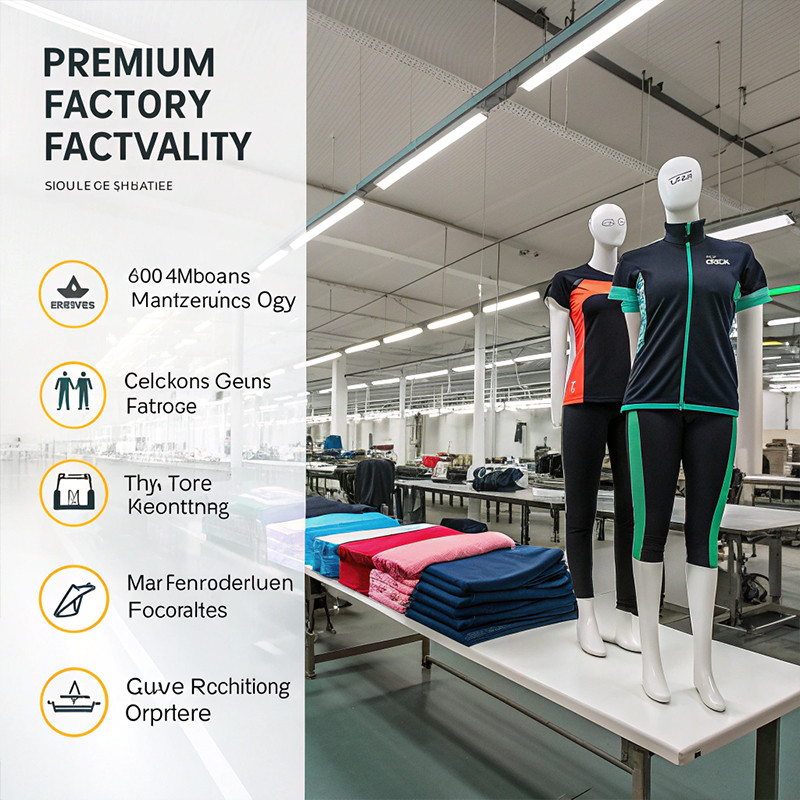
Different manufacturers specialize in different categories:
• Gym wear and fitness apparel
• Yoga and athleisure wear
• Team sports uniforms
• Outdoor and performance wear
A factory experienced in fashion T-shirts may struggle with compression leggings or moisture-wicking fabrics. Always choose a manufacturer that has proven experience with your specific product type.
Order Volume and MOQ Expectations
Be realistic about your order size:
• Are you testing the market with small batches?
• Are you ready for bulk production?
Some sport clothing manufacturers focus on large-volume production, while others support lower MOQs for startups. Understanding your volume expectations helps avoid mismatches from the start.
Level of Customization Required
Clarify how customized your products need to be:
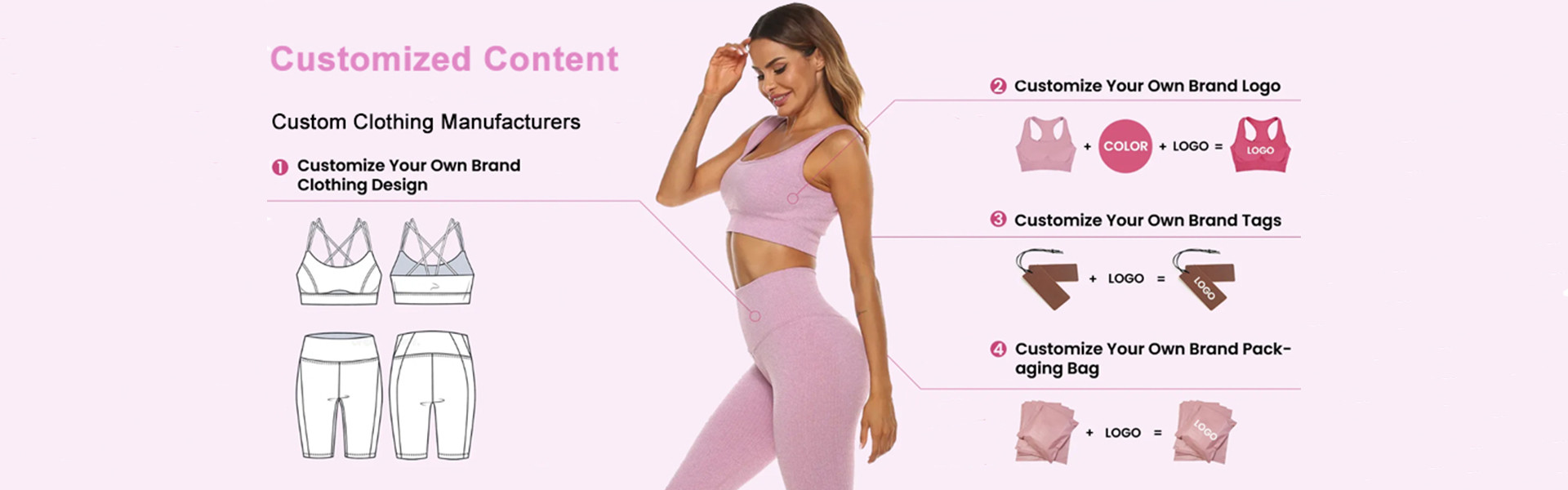
• OEM: You provide designs, the factory produces
• ODM: The factory helps develop designs
• Private Label: Existing styles with your branding
The more customization you need, the more technical capability and communication experience the manufacturer must have.
Key Factors to Evaluate a Sport Clothing Manufacturer
Once your needs are clear, it’s time to evaluate potential partners based on concrete criteria—not marketing promises.
Manufacturing Experience and Specialization
Experience matters, but relevant experience matters more.
Ask questions such as:
• How many years have you specialized in sportswear?
• What types of sport clothing do you produce most often?
• Can you show examples of similar products?
A reliable sport clothing manufacturer should confidently explain their production process and product strengths.
Factory Capabilities and Equipment
Not all factories are equally equipped. Important factors include:
• Number of production lines
• Monthly production capacity
• Specialized machinery for sportswear construction
• In-house pattern making and sampling
Advanced equipment ensures better consistency, efficiency, and scalability as your brand grows.
Quality Control Systems
Quality control is where professional manufacturers stand apart.
Look for a manufacturer that implements:
• Fabric inspection before cutting
• In-line quality checks during production
• Final inspection before shipment
Ask how they handle defects, rework, and quality claims. A transparent quality control process is a strong indicator of reliability.
Communication and Responsiveness
Clear communication is often underestimated but extremely important.
A good sport clothing manufacturer should:
• Respond promptly to inquiries
• Understand technical requirements
• Provide practical suggestions, not just follow instructions blindly
Strong communication reduces errors, saves time, and leads to better final products.
Sport Clothing Manufacturer vs Trading Company
Many brands are unsure whether they are dealing with a real factory or a trading company.
Sport Clothing Manufacturer
• Owns or operates production facilities
• Direct control over quality and timelines
• Better for long-term partnerships
Trading Company
• Acts as a middleman
• May work with multiple factories
• Useful for small orders or sourcing variety
If you want transparency, cost efficiency, and long-term stability, working directly with a sport clothing manufacturer is usually the better option.
Questions to Ask Before Working with a Sport Clothing Manufacturer
Asking the right questions can quickly reveal whether a manufacturer is a good fit.
Key questions include:
• What is your MOQ per style and color?
• What is your typical production lead time?
• Can you support custom fabrics and trims?
• How do you handle quality issues or delays?
• Do you offer sampling before bulk production?
Professional manufacturers will answer clearly and confidently, without vague promises.
Common Mistakes Brands Make When Choosing a Manufacturer
Even experienced brands can make costly mistakes when selecting a manufacturing partner.
Focusing Only on Price
Low prices often come with hidden costs: poor quality, delays, and communication problems. Value should always be prioritized over price alone.
Skipping the Sampling Stage
Skipping samples to save time or money almost always leads to problems. Sampling allows you to test fit, materials, and workmanship before committing to bulk orders.
Ignoring Long-Term Compatibility
A manufacturer that works for your first order may not support your growth. Always consider whether the factory can scale with your brand.
Why Many Brands Choose a Long-Term Manufacturing Partner
Successful brands rarely switch manufacturers every season. Long-term partnerships create significant advantages:
• Consistent product quality
• Better understanding of brand standards
• Improved efficiency and cost optimization
• Faster product development cycles
A trusted sport clothing manufacturer becomes a strategic partner, not just a supplier.
How to Start Working with a Sport Clothing Manufacturer
While each factory has its own workflow, the typical process includes:
1. Sharing design concepts or technical packs
2. Material and construction evaluation
3. Sampling and revisions
4. Bulk production confirmation
5. Quality inspection and shipment
Understanding this process helps brands collaborate more effectively and avoid unnecessary delays.
Final Thoughts: Choosing the Right Sport Clothing Manufacturer for Your Brand
Choosing a sport clothing manufacturer is a decision that shapes your brand’s future. The right partner will support your growth, protect your quality standards, and help bring your product vision to life.
Take the time to evaluate experience, capabilities, communication, and long-term alignment. When chosen carefully, a sport clothing manufacturer becomes one of your most valuable business assets—not just a production resource.