
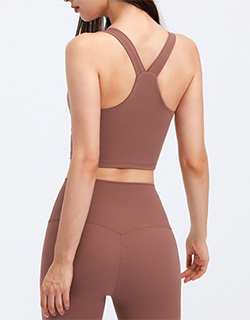
Yoga Legging Manufacturer: How to Choose the Right Factory for Your Brand
Choosing the right yoga legging manufacturer is one of the most critical decisions for any activewear brand. Whether you are launching a new yoga apparel line or scaling an established business, your manufacturing partner directly impacts product quality, production efficiency, cost control, and long-term brand reputation.
With the global demand for yoga leggings continuing to grow, brands face an overwhelming number of factory options. This guide explains how to evaluate and select the right yoga legging manufacturer for your brand, helping you avoid costly mistakes and build a reliable supply chain.
Why Choosing the Right Yoga Legging Manufacturer Matters
Yoga leggings are performance-driven garments. Customers expect comfort, stretch, durability, opacity, and consistent sizing. Even small manufacturing issues—such as fabric pilling, uneven stitching, or poor elasticity—can lead to negative reviews and high return rates.
A professional yoga legging manufacturer does more than produce garments. They help brands:
• Maintain consistent product quality
• Control production timelines and costs
• Support customization and brand differentiation
• Scale efficiently as demand grows
For brands competing in a saturated activewear market, the right manufacturer becomes a long-term strategic partner, not just a supplier.
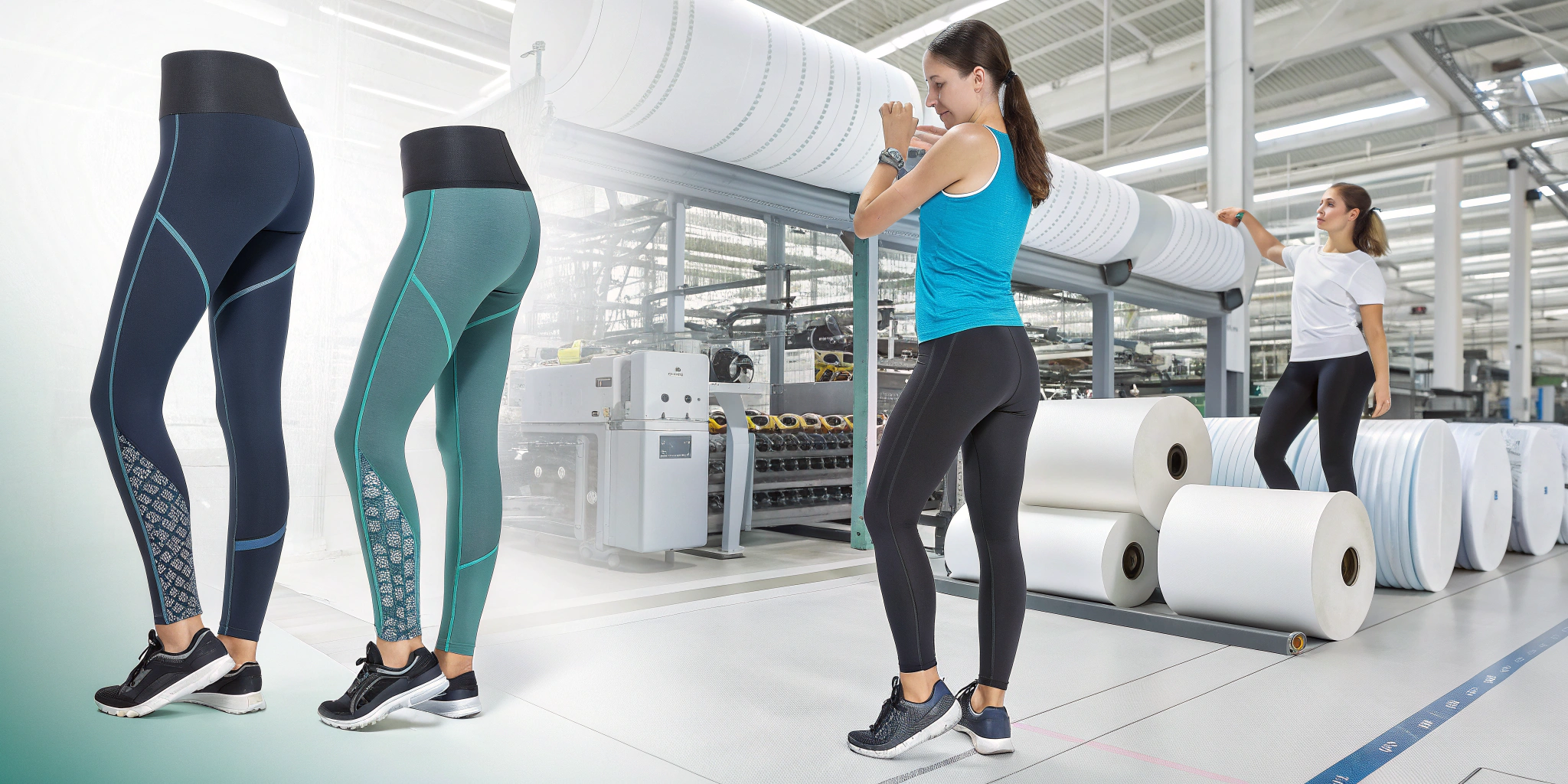
What Is a Yoga Legging Manufacturer?
A yoga legging manufacturer is a factory that specializes in producing yoga leggings and related activewear, offering services such as fabric sourcing, pattern making, sampling, bulk production, and quality control.
Manufacturer vs Trading Company vs Sourcing Agent
• Manufacturer: Owns production facilities, manages cutting, sewing, and finishing in-house. Offers better quality control, customization, and cost transparency.
• Trading Company: Acts as a middleman between brands and factories. Easier communication but higher costs and less control.
• Sourcing Agent: Helps brands find factories and manage orders, suitable for beginners but not ideal for long-term scaling.
Brands seeking customization, stable quality, and scalable production usually benefit most from working directly with a yoga legging manufacturer.
Types of Yoga Legging Manufacturers
• OEM manufacturers: Produce based on the brand’s designs and specifications.
• ODM manufacturers: Offer in-house designs that brands can modify or private label.
• One-stop manufacturers: Provide fabric development, design support, production, packaging, and logistics.
Key Factors to Consider When Choosing a Yoga Legging Manufacturer
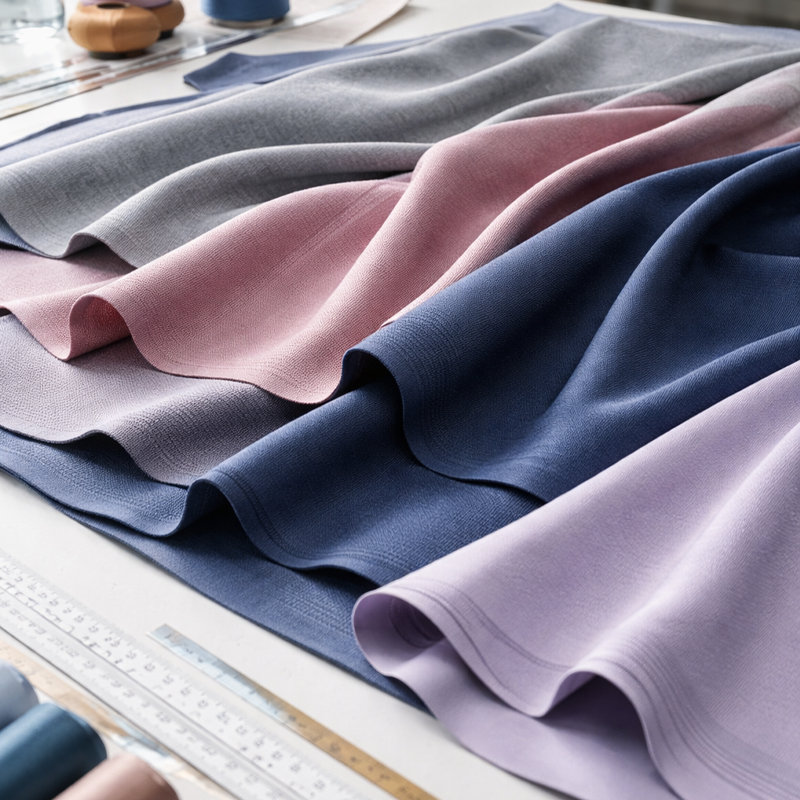
1. Fabric Expertise and Material Options
Fabric quality defines yoga legging performance. A reliable manufacturer should have deep expertise in performance textiles, including:
• Nylon and Nylon 6.6 blends for durability and softness
• Polyester blends for color retention and cost efficiency
• Spandex or elastane for stretch and recovery
Key performance features include four-way stretch, moisture-wicking, breathability, squat-proof opacity, and resistance to pilling and deformation. Advanced manufacturers also offer recycled and sustainable fabrics, such as GRS-certified recycled nylon.
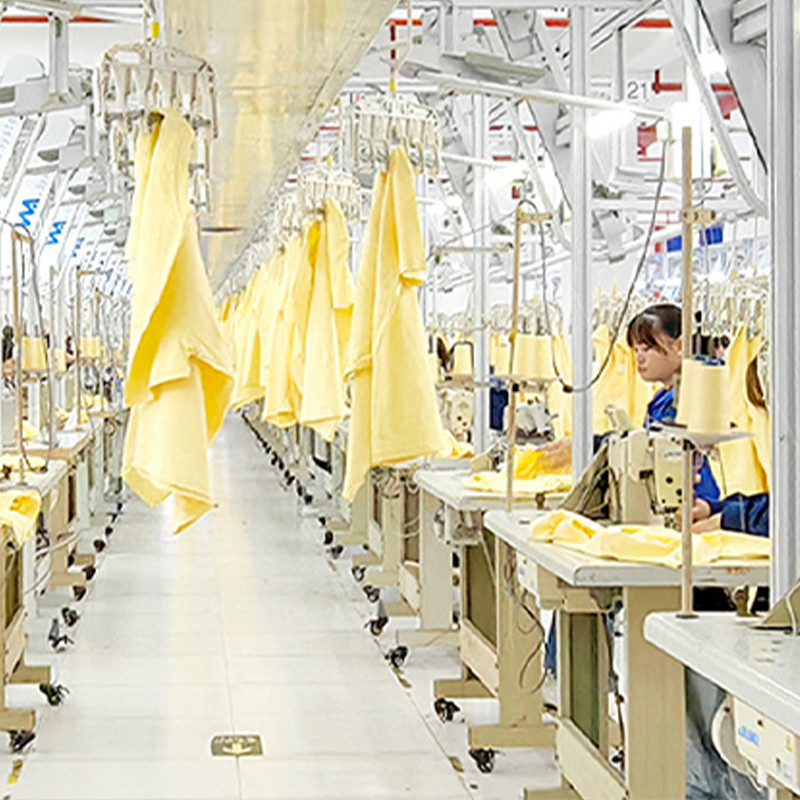
2. Manufacturing Capability and Production Capacity
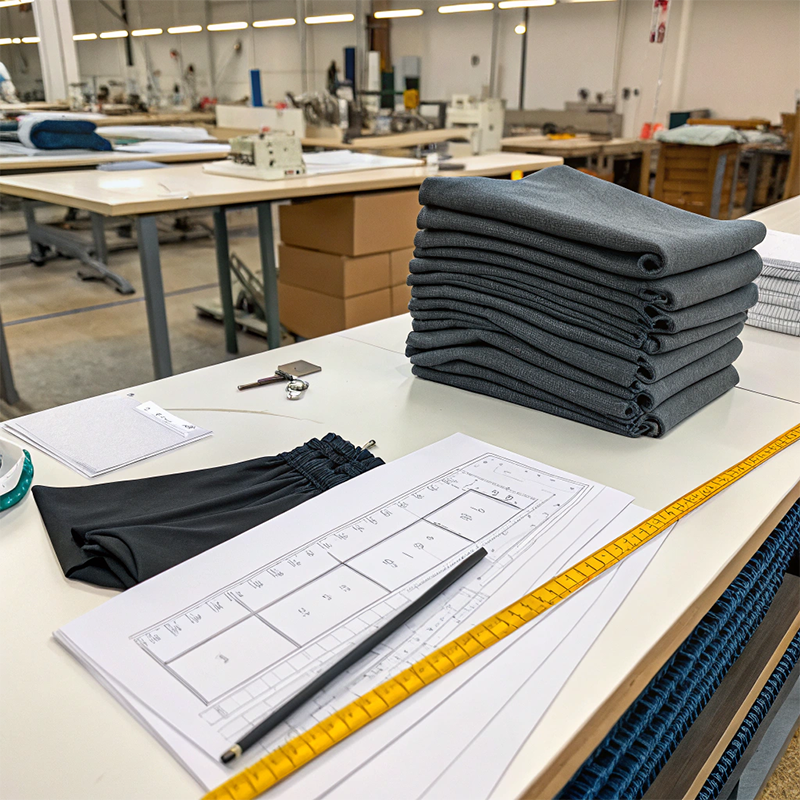
Production capability determines whether a factory can meet your current needs and future growth. Important aspects include:
• Monthly output capacity
• Number of production lines
• In-house pattern making and grading
• Ability to handle both small batches and large-scale orders
A capable yoga legging manufacturer should support gradual scaling without sacrificing quality or lead times.
3. Customization and OEM/ODM Services
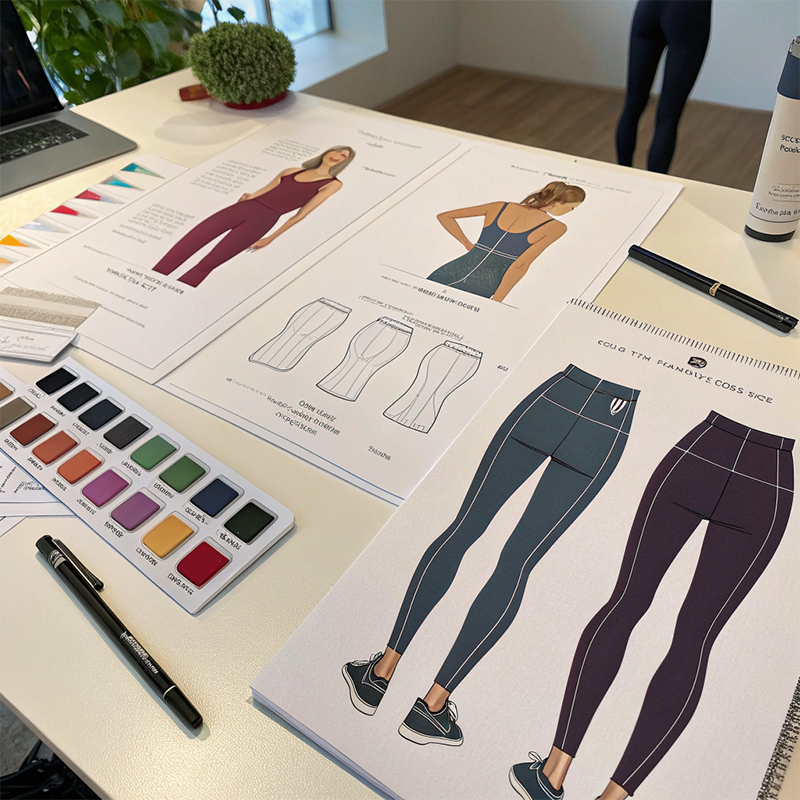
Customization is essential for brand differentiation. Professional manufacturers typically offer:
• Custom waist designs (high-waist, V-waist, crossover)
• Pocket styles and functional detailing
• Color matching based on Pantone standards
• Logo applications such as heat transfer, silicone print, or embroidery
Full OEM and ODM services allow brands to move from concept to finished product efficiently.
4. MOQ and Lead Time
Customization is essential for brand differentiation. Professional manufacturers typically offer:
• Custom waist designs (high-waist, V-waist, crossover)
• Pocket styles and functional detailing
• Color matching based on Pantone standards
• Logo applications such as heat transfer, silicone print, or embroidery
Full OEM and ODM services allow brands to move from concept to finished product efficiently.
5. Quality Control and Compliance
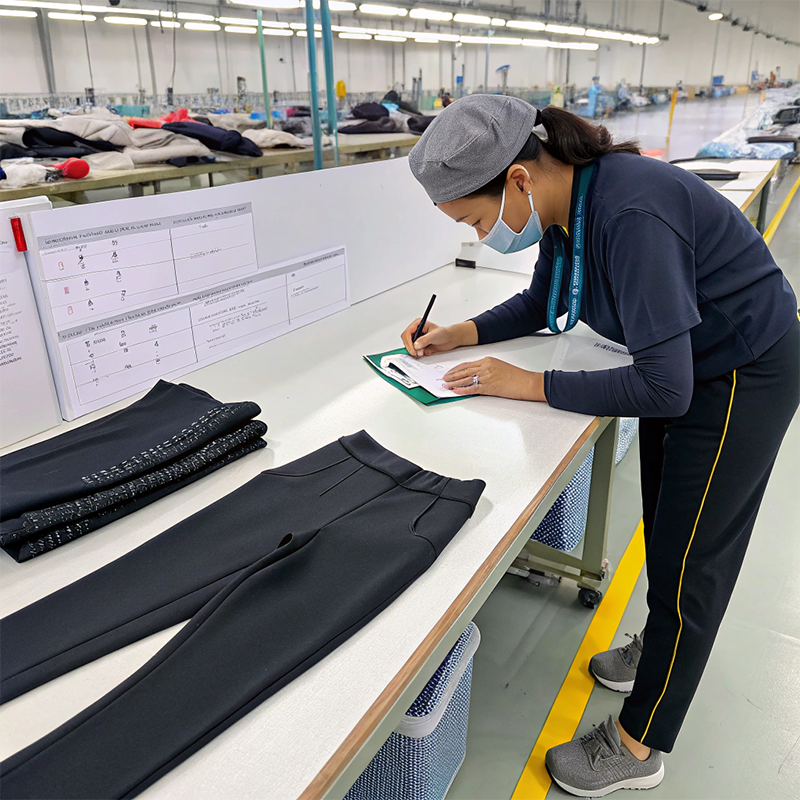
Consistent quality is non-negotiable. A reliable yoga legging manufacturer implements:
• Fabric inspection before cutting
• In-line quality checks during sewing
• Final inspection before shipment
Certifications such as ISO, BSCI, OEKO-TEX, or GRS demonstrate compliance with international quality, safety, and ethical standards, reducing risk for overseas brands.
6. Communication and Project Management
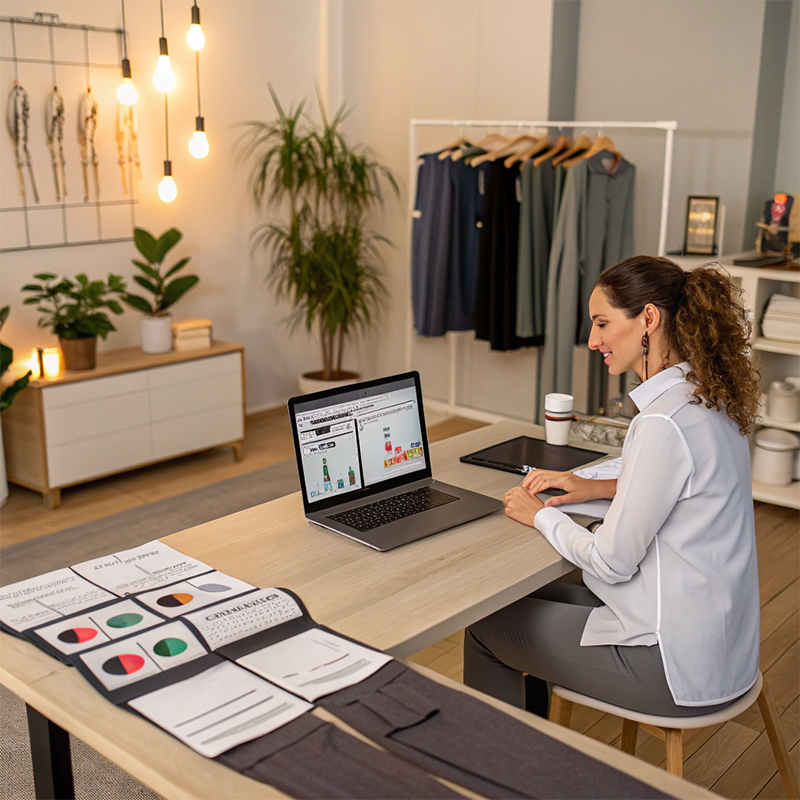
Clear communication prevents costly misunderstandings. Strong manufacturers provide:
• Dedicated English-speaking account managers
• Transparent production updates
• Fast response times during sampling and revisions
Efficient project management ensures smoother development cycles and predictable delivery schedules.
Common Mistakes Brands Make When Choosing a Yoga Legging Manufacturer
Many brands encounter issues due to avoidable mistakes, including:
• Choosing the lowest price without evaluating quality
• Skipping sample testing
• Ignoring production scalability
• Overlooking intellectual property protection
• Failing to clarify lead times and payment terms
Avoiding these pitfalls can save brands time, money, and reputation damage.
How to Evaluate a Yoga Legging Manufacturer Before Placing an Order
Before committing to bulk production, brands should:
• Request samples and conduct wear testing
• Review factory photos or video tours
• Check previous client cases or references
• Start with a small trial order
This evaluation process helps confirm whether the manufacturer meets your expectations in real-world conditions.
Why Working Directly with a Yoga Legging Manufacturer Benefits Your Brand
Direct cooperation offers several advantages:
• Lower costs by eliminating intermediaries
• Greater control over materials and production
• Faster response to design changes
• Stronger long-term partnership potential
As brands grow, direct factory relationships become a competitive advantage.
Who Should Work with a Professional Yoga Legging Manufacturer?
Professional manufacturers are ideal partners for:
• Emerging DTC activewear brands
• Amazon and Shopify sellers
• Yoga studios launching private labels
• Wholesalers and distributors
These businesses benefit from customization flexibility, stable quality, and scalable production.
FAQ: Yoga Legging Manufacturer
What is the typical MOQ for a yoga legging manufacturer?
MOQ usually ranges from 100 pieces per style and color, depending on the factory and customization level.
How long does custom yoga legging production take?
Sampling typically takes 7–15 days, while bulk production averages 20–40 days after sample approval.
Can a yoga legging manufacturer help with design?
Yes. Many manufacturers offer ODM services, technical design support, and pattern optimization.
What fabrics are best for yoga leggings?
Nylon-spandex blends are widely preferred for their softness, durability, and stretch recovery.
How can I verify a manufacturer’s reliability?
Check certifications, request samples, review quality control processes, and start with a trial order.
Conclusion: Choosing the Right Yoga Legging Manufacturer for Long-Term Growth
Selecting the right yoga legging manufacturer is a strategic decision that shapes your brand’s future. Beyond pricing, brands should prioritize fabric expertise, production capability, quality control, and communication.
A reliable manufacturer supports product consistency, brand credibility, and sustainable growth—allowing you to focus on marketing, customer experience, and expansion.