
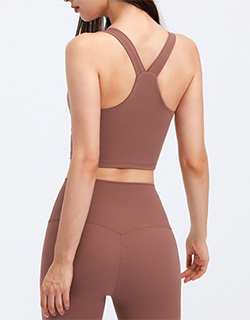
Activewear OEM vs ODM vs Private Label: Complete Comparison for Clothing Brands
Manufacturing model guide · Evidence checked August 26, 2026
Direct answer: Choose OEM when your brand owns a clear design and specification, ODM when you need the supplier to contribute product development, and private label when speed matters more than creating a product from zero. In activewear, these labels often overlap, so the safest choice is the written scope—not the acronym—covering design ownership, pattern work, materials, testing, branding, minimums, revisions and production approvals.
This guide compares the three routes for clothing brands and provides a practical framework for discussing them with a factory. It does not assume that every supplier uses OEM, ODM or private label in exactly the same way.
OEM vs ODM vs Private Label at a Glance
| Route | Typical starting point | Brand contribution | Supplier contribution | Best fit |
|---|---|---|---|---|
| OEM | Brand-owned design, tech pack or controlled reference | Product concept, specifications, approval criteria and branding | Engineering review, sourcing, sampling and manufacturing | Brands seeking high control and differentiation |
| ODM | Concept, mood board, target customer or supplier-developed direction | Commercial brief, brand direction and approvals | More design, material, pattern or construction development | Brands needing technical or creative development support |
| Private label | Existing or pre-developed base style | Logo, labels, selected colors, packaging and limited changes | Base product plus agreed branding and modifications | Brands prioritizing speed, lower development load and validation |
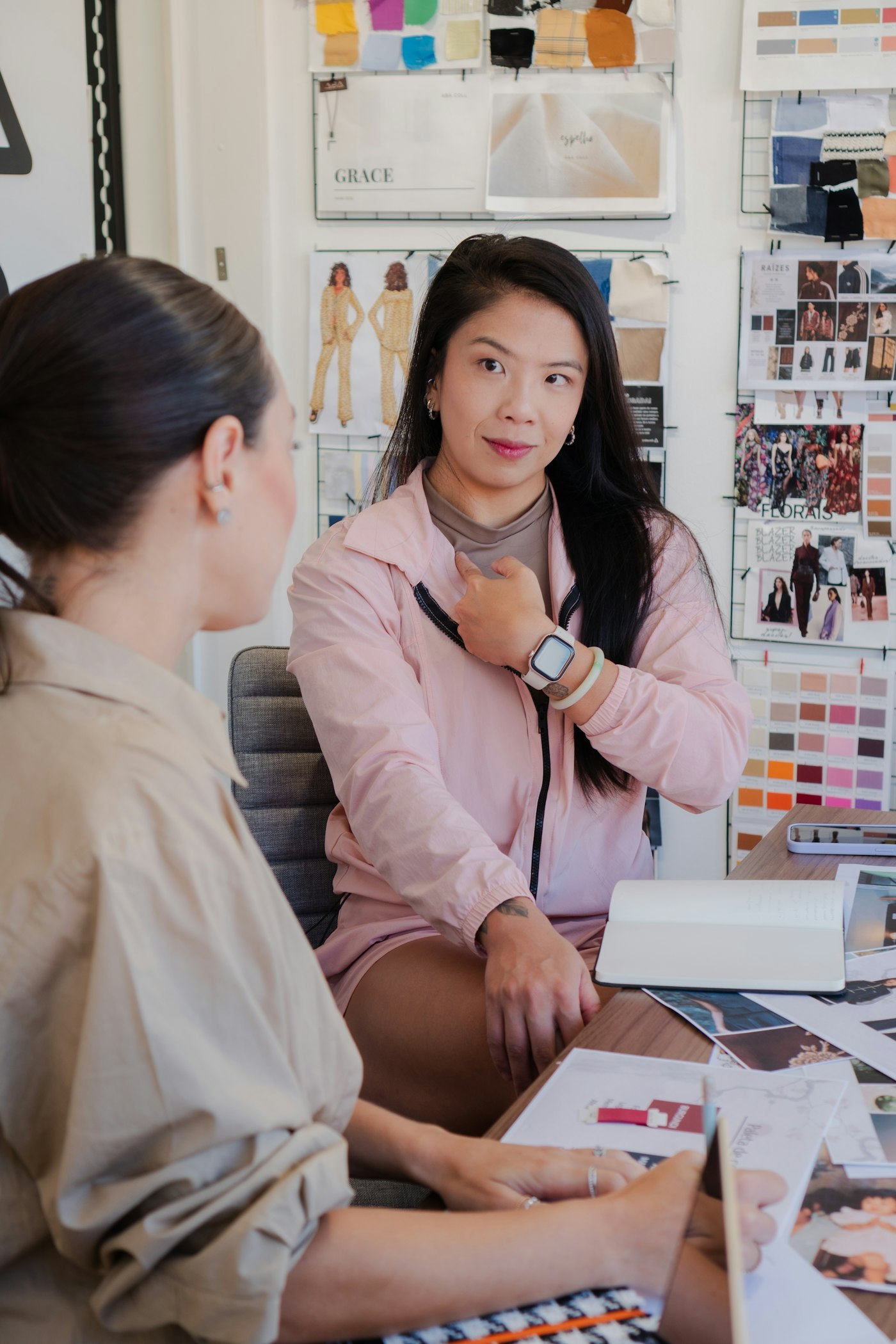
What Is Activewear OEM Manufacturing?
OEM, or original equipment manufacturing, usually means the factory manufactures a product defined by the buyer. For apparel, the buyer may supply a tech pack, measurement chart, graded size rules, artwork, label files and performance requirements. The factory reviews feasibility, develops patterns or counter samples as agreed, sources approved inputs and manufactures against the released specification.
OEM does not automatically mean the factory performs no development. Pattern correction, construction engineering and fabric substitution may still be required. The contract and quotation should distinguish supplier recommendations from buyer-controlled requirements.
OEM is usually strongest when:
- Your brand has an original silhouette, fit system or construction detail.
- You can provide specifications and make timely sample decisions.
- Product consistency and design control matter more than the fastest possible launch.
- You can fund sampling, testing and revisions before bulk production.
What Is Activewear ODM Manufacturing?
ODM, or original design manufacturing, generally gives the supplier a larger product-development role. The buyer may begin with a customer profile, target retail price, performance brief, mood board or reference garment rather than a complete tech pack. The supplier may propose silhouettes, fabrics, construction methods, patterns and sample solutions.
ODM is not a shortcut around decision-making. The brand still needs to approve fit, materials, colors, artwork, labeling, tests and production tolerances. It should also clarify whether a proposed design is exclusive, modified from an existing supplier style or available to other buyers.
Ask about ownership
Who owns new sketches, patterns, graded nests, 3D files, artwork and tooling after payment?
Ask about reuse
Can the supplier sell the same or a substantially similar base design to other brands?
Ask about development fees
Which design rounds, samples, pattern changes and material searches are included?
What Is Private-Label Activewear?
Private label usually starts with an existing or supplier-developed garment and applies the buyer’s brand identity. The scope may include heat-transfer logos, woven or printed labels, hangtags, packaging, color selection and limited fabric or trim choices. Because the underlying style is already developed, the route can reduce design work and shorten the path to a sellable collection.
Private label is not automatically ready-to-ship stock. A selected style may still require fabric booking, custom color minimums, logo sampling, label production, size confirmation and a new bulk run. Ask whether the quotation is for stocked blanks, made-to-order base styles or a customized production order.
Good use case
Testing a category or sales channel before investing in original development.
Tradeoff
Fewer unique product features and a greater chance that similar silhouettes exist in the market.
Control point
Approve the exact base style, fabric, color, fit, branding method and packaging reference.
Detailed Decision Matrix for Clothing Brands
| Decision factor | OEM | ODM | Private label |
|---|---|---|---|
| Original design control | Usually highest | Shared or negotiated | Usually limited to selected options |
| Brand technical workload | High | Medium | Low to medium |
| Supplier development workload | Engineering and execution | Design plus engineering and execution | Base-style adaptation and branding |
| Development time | Often longest | Varies with concept maturity and revisions | Often shortest, but not necessarily immediate |
| Upfront development cost | Often higher | Can be higher if design scope is broad | Often lower when the base style is proven |
| Differentiation potential | High | Medium to high if exclusivity is defined | Low to medium |
| Specification risk | Buyer must control incomplete or conflicting inputs | Both parties must control an evolving brief | Buyer must verify what can actually be changed |
| Best buyer readiness | Complete tech pack and approval process | Clear commercial brief and fast decisions | Clear branding, target market and option selection |
How Cost and Lead Time Are Actually Built
There is no universal rule that one model is always cheapest or fastest. Cost and timing depend on the tasks hidden inside the scope.
- Development: design work, tech-pack creation, pattern making, grading and sample rounds.
- Materials: available fabric versus custom composition, finish or dyed color; trims and label minimums.
- Testing: composition, colorfastness, dimensional stability, performance and destination-market requirements.
- Production: order quantity by style, color and size; construction difficulty; decoration; quality plan.
- Logistics: packaging, inspection, freight method, customs assumptions and delivery buffer.
Compare quotes using the same specification and commercial assumptions. A low sample price may exclude pattern ownership; a low unit price may assume a larger color minimum; a fast production promise may begin only after material arrival and final approval.
Original Scope-of-Work Scorecard
Use this ten-point scorecard before choosing a route. Give one point for every item documented in writing:
- Target customer and use case
- Reference design or selected base style
- Measurement and fit approval method
- Fabric composition and performance requirements
- Color, trim and artwork files
- Labeling and packaging requirements
- Testing and compliance responsibility
- Sample rounds, fees and approval authority
- Design, pattern and file ownership
- Quantity, target cost and delivery assumptions
Interpretation: 8–10 points suggests an OEM-ready brief; 5–7 may suit a structured ODM discovery phase; 3–6 may suit private-label validation if a base style covers the missing product decisions. Below 3, clarify the business and product brief before requesting comparable quotations.
This scorecard is an original Ohsurewear content-planning tool, not a factory acceptance rule or legal classification.
Contract and Quotation Questions for Every Model
| Topic | Question to record | Risk if omitted |
|---|---|---|
| Scope | Which design, pattern, sourcing, sample, testing and packaging tasks are included? | Non-comparable quotes and later charges |
| Ownership | Who owns and may reuse designs, patterns and development files? | Unexpected reuse or inability to transfer production |
| Approvals | Which signed sample and documents authorize bulk production? | Disputes over verbal decisions |
| Changes | How are substitutions, deviations and cost changes approved? | Uncontrolled materials or construction |
| Minimums | Is MOQ calculated by style, fabric, color, size, logo or packaging? | Quantity increases after development |
| Schedule | What event starts each lead time, and which buyer decisions can pause it? | Misleading delivery expectations |
| Quality | What inspection plan, tolerances and remedies apply? | No shared definition of acceptance |
How Ohsurewear Describes Its Available Routes
Ohsurewear’s currently published manufacturing pages describe OEM and ODM support, pattern and sample-room capabilities, fabric choices, logo applications, private labels, hangtags and packaging. Its private-label page describes a process from design communication and sampling through bulk production and delivery. These pages establish service direction, but the exact route, MOQ, sample timing, bulk schedule, price and ownership terms should be confirmed for each project.
For factory due diligence and project preparation, review the factory verification hub, customer and project fit guide, OEM and ODM service page, private-label service page and activewear product catalog.
Frequently Asked Questions
Is private label the same as ODM?
Not necessarily. Both may start from supplier-developed products, but private label usually emphasizes applying a buyer’s branding to a base style, while ODM may include a broader supplier design and development role. Ask the supplier to define the actual tasks and ownership.
Which model is best for a startup activewear brand?
A startup with a validated concept and complete specifications may use OEM. One needing product-development help may use ODM. One testing demand with limited technical resources may start with private label. Readiness matters more than company age.
Does OEM guarantee that my design is exclusive?
No. Exclusivity, confidentiality and ownership depend on the agreement and the source of each design element. Record who owns patterns and files and whether the supplier may reuse any part.
Is private label always lower MOQ?
No. An existing base style can reduce development work, but custom fabric colors, logos, labels and packaging can each create separate minimums. Confirm MOQ by style, color, size and component.
Can I move from private label to OEM later?
Yes, if you plan the transition. Keep approved measurements, material specifications, artwork, test records and sales feedback, then invest in original design and controlled product development.
What should I send for the first factory review?
Send the target customer, product category, route preference, reference or tech pack, quantity by style and color, size range, fabric and performance needs, branding, destination market, target cost and required delivery date.
Choose the Scope Before the Acronym
OEM, ODM and private label are useful starting labels, but they do not replace a product specification and commercial agreement. Choose the route that matches your brand’s design maturity, technical resources, differentiation goal, budget and launch schedule. Then convert the chosen route into a written responsibility matrix covering every input, approval, cost, ownership term and production gate.