How to Choose a Custom Activewear OEM/ODM Manufacturer
Direct answer: Choose a custom activewear manufacturer by defining your customer, activity, fit, and fabric needs first. Then confirm the sample, size chart, quality standard, and production timeline in writing. Compare OEM and ODM by design control, development effort, minimum order quantity, and price—not by a headline quote alone.
What Is Custom Activewear OEM/ODM?
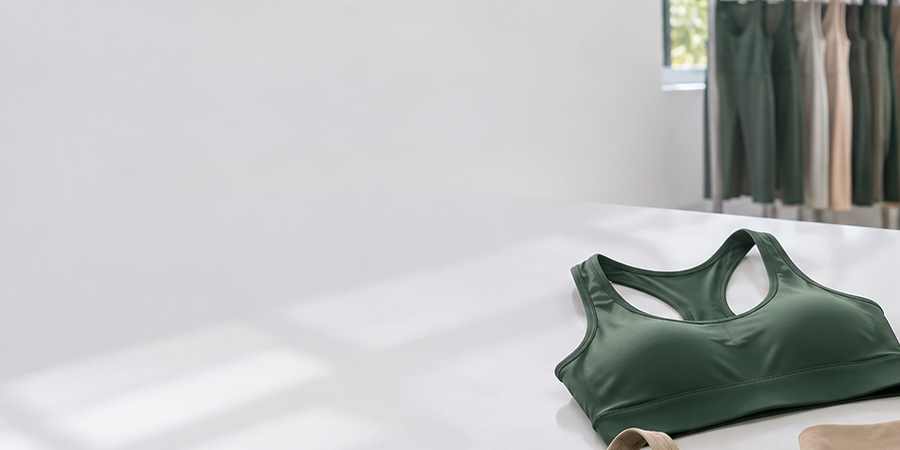
OEM (Original Equipment Manufacturing) means the brand supplies a sufficiently detailed product direction—such as a design, pattern, size specification, materials, or construction requirements—and the factory develops samples and produces the order. ODM (Original Design Manufacturing) typically begins with the manufacturer’s existing patterns, material options, or development capability, which the brand then adapts through colour, branding, trim, packaging, or selected construction changes.
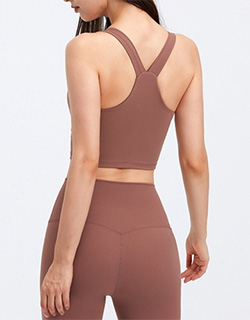
Neither route should mean “add a logo and hope for the best.” A production-ready order needs approved specifications, a fit sample, a quality standard, and packaging instructions. Ohsure presents itself as a Dongguan activewear manufacturer offering OEM and ODM services for women’s, men’s, and maternity/nursing activewear, including sports bras, leggings, yoga sets, tanks, hoodies, jackets, track pants, and shorts.
OEM vs. ODM vs. Private Label
| Route | Best for | Strength | Watch-out |
|---|---|---|---|
| OEM | Brands with a distinct design direction, fit need, or technical pack | More product and brand control | More development communication; samples and construction details matter |
| ODM | New brands or teams expanding a range quickly | Can start from a proven pattern and reduce early development work | Confirm what may be changed, whether a design is exclusive, and asset ownership |
| Private label | Channel testing or faster replenishment | Usually the quickest decision and delivery path | Less differentiation; available colours, sizes, and inventory may be limited |
A Six-Step Process for a Controllable Order
- Write a product brief. State the customer, activity, target price band, first-order quantity, and launch date.
- Submit usable specifications. Include style drawings, colours, preferred fabric composition or weight, size range, logo position, and packaging requirements.
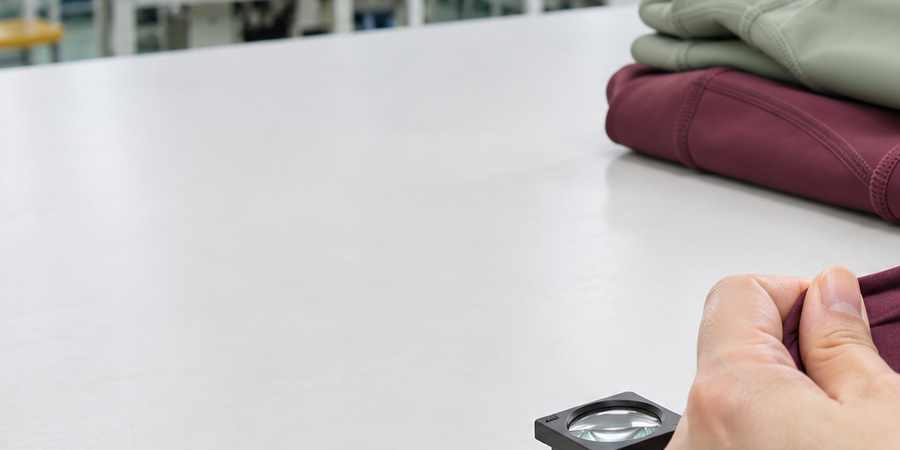
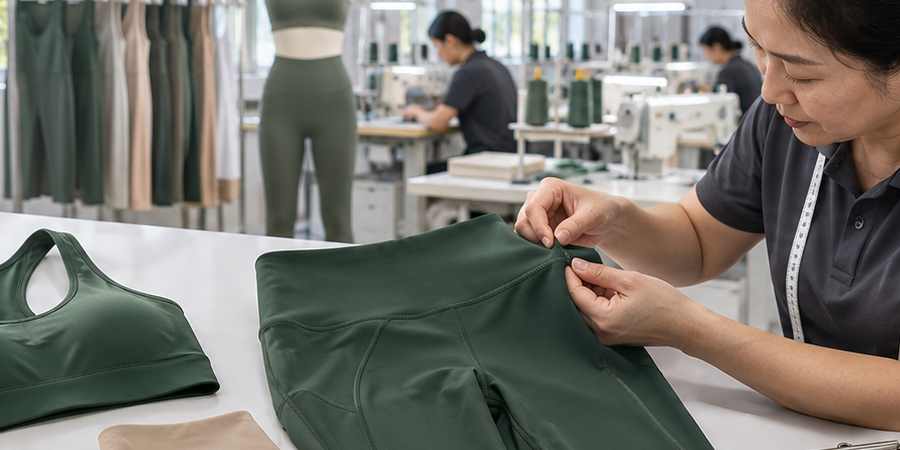
- Sample and retain an approved sample. Fit, wash, stretch, and wear-test it; log every revision.
- Lock the production standard in writing. Confirm fabric, trims, measurement tolerances, colour reference, workmanship, inspection method, and packing.
- Recheck before production. Confirm quantity, size/colour ratio, milestones, payment, inspection, and freight responsibility.
- Inspect before shipment. Check appearance, measurement, quantities, labels, and packing; record issues by batch, colour, size, and photograph.
Cost, MOQ, and Lead Time
Do not judge an activewear order by unit price alone. Cost commonly changes with fabric performance and weight, construction complexity, labour, logo method, trims, packaging, colour/size ratio, order volume, testing or inspection, and transport. Ask every supplier to quote the same basis: trade term, quantity break, sample fee and credit terms, development charges, production milestones, and the procedure for quality claims.
Common Sourcing Mistakes
- Treating a reference image as a specification.
- Skipping real wear testing.
- Approving a colour name without a colour standard, swatch, or approved sample.
- Approving a sample but not controlling bulk through a golden sample and tolerance standard.
- Launching too many styles and colours in the first order.
- Asking only how fast an order can be made instead of reviewing each production milestone.
- Treating website figures as contractual promises.
Manufacturer Experience: Turn “Can Be Made” into “Can Be Accepted”
Ohsure’s public product page lists nylon/spandex, polyester/spandex, recycled nylon/spandex, recycled polyester/spandex, bamboo, TENCEL™, and cotton options, alongside logo, label, packaging, and hangtag services. Use this only as the starting point for a brief: ask which combination is suitable for your specific style, what colours are available, how it changes MOQ and colourfastness, and who provides final approval.
Ohsure’s custom-yoga-wear page describes fabric testing, finished-garment checks, and wearability testing as quality-inspection stages. Convert that into your acceptance plan: define the check at fabric approval, first article, in-process inspection, and pre-shipment inspection; name the approver; and retain evidence.
Frequently Asked Questions
What is the MOQ for custom activewear?
There is no single MOQ for every style. Ohsure’s homepage refers to 100 pieces per colour and style for bulk orders, but fabric, colour, decoration, and product type can change the requirement. Confirm the current MOQ in the quote for your exact product.
How long does an activewear sample take?
Ohsure publicly states a 7–10 day sample reference on its homepage, while its FAQ says 7–12 days. Confirm the actual date against design complexity, material availability, and revision rounds.
Should I order a sample first?
Yes—especially for close-fitting, high-stretch, high-support, or maternity products. Wear and wash feedback usually exposes fit and construction issues that online discussions do not.
Related Reading
Sportswear OEM/ODM manufacturing services · Custom yoga wear manufacturing · Custom pumping and nursing sports bras
Source note: Prepared from publicly available Ohsure webpages, accessed November 12, 2026. Capacity, experience, MOQ, time, materials, and quality-control statements are supplier claims or website information. Confirm all commercial terms through a current written quotation, sample, and contract before ordering.