Custom Maternity T-Shirts: A Complete Guide for Brands and Retailers
The maternity apparel market has experienced significant growth in recent years as more brands recognize the demand for comfortable, stylish clothing for expecting mothers. Among all maternity clothing items, maternity T-shirts remain one of the most essential and frequently purchased products. They are versatile, comfortable, and suitable for everyday wear throughout pregnancy.
For fashion brands, e-commerce sellers, and maternity retailers, launching a custom maternity T-shirt line can be a smart business decision. However, creating successful maternity products requires more than simply resizing standard T-shirts. It involves specialized patterns, fabric choices, and production expertise.
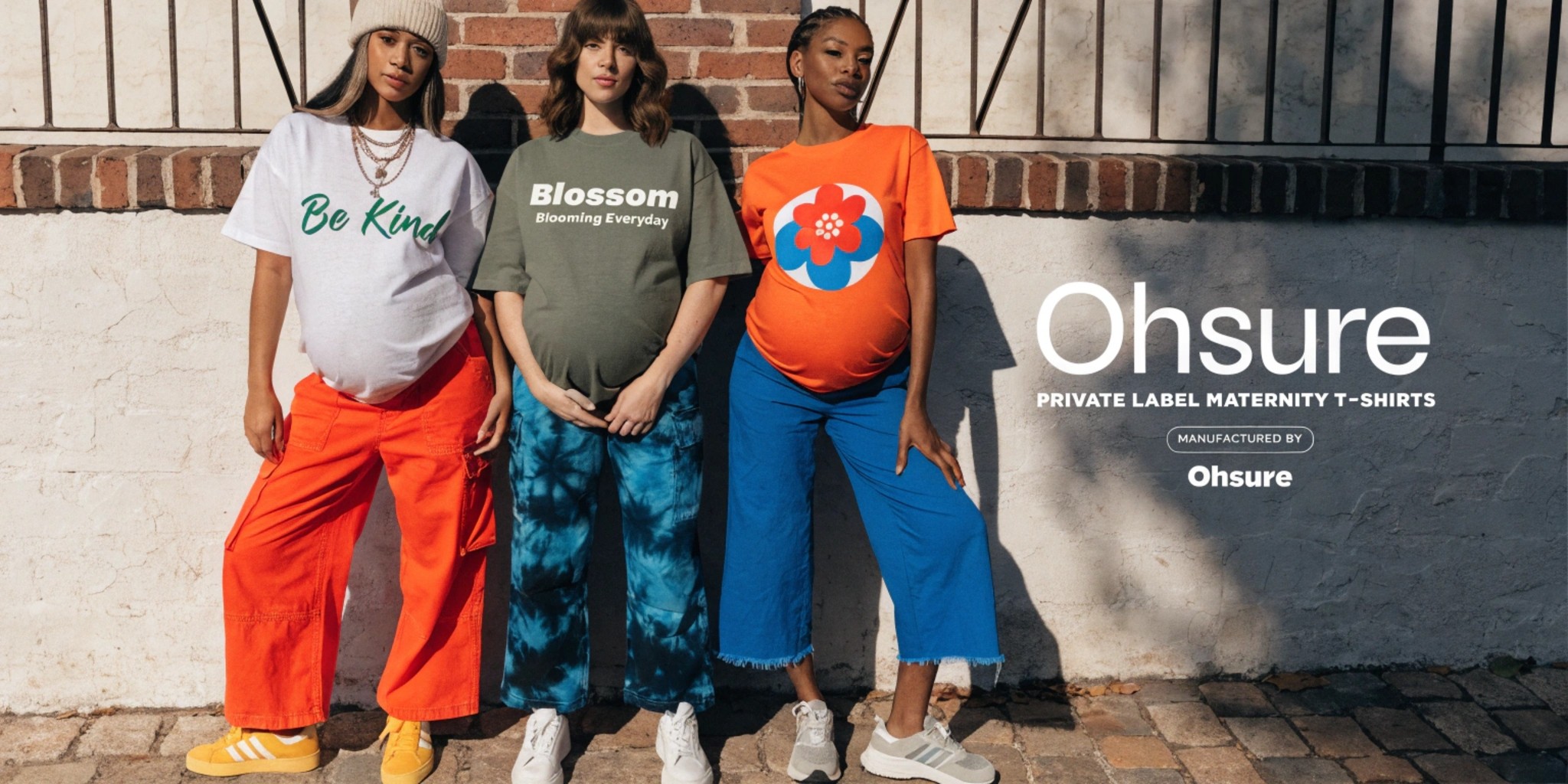
In this guide, we will explore everything brands and retailers need to know about custom maternity T-shirts, including design features, customization options, manufacturing processes, and cost considerations. We will also explain how working with experienced manufacturers like Ohsure can help brands develop high-quality maternity apparel efficiently.
What Are Custom Maternity T-Shirts and Why Are They Popular in the Market?
Maternity T-shirts are specially designed tops created to accommodate the changing body shape of pregnant women. Unlike regular T-shirts, maternity versions focus on comfort, stretch, and adaptability throughout different stages of pregnancy.
What Makes Maternity T-Shirts Different from Regular T-Shirts?
Custom maternity T-shirts incorporate several design features that standard T-shirts do not provide.
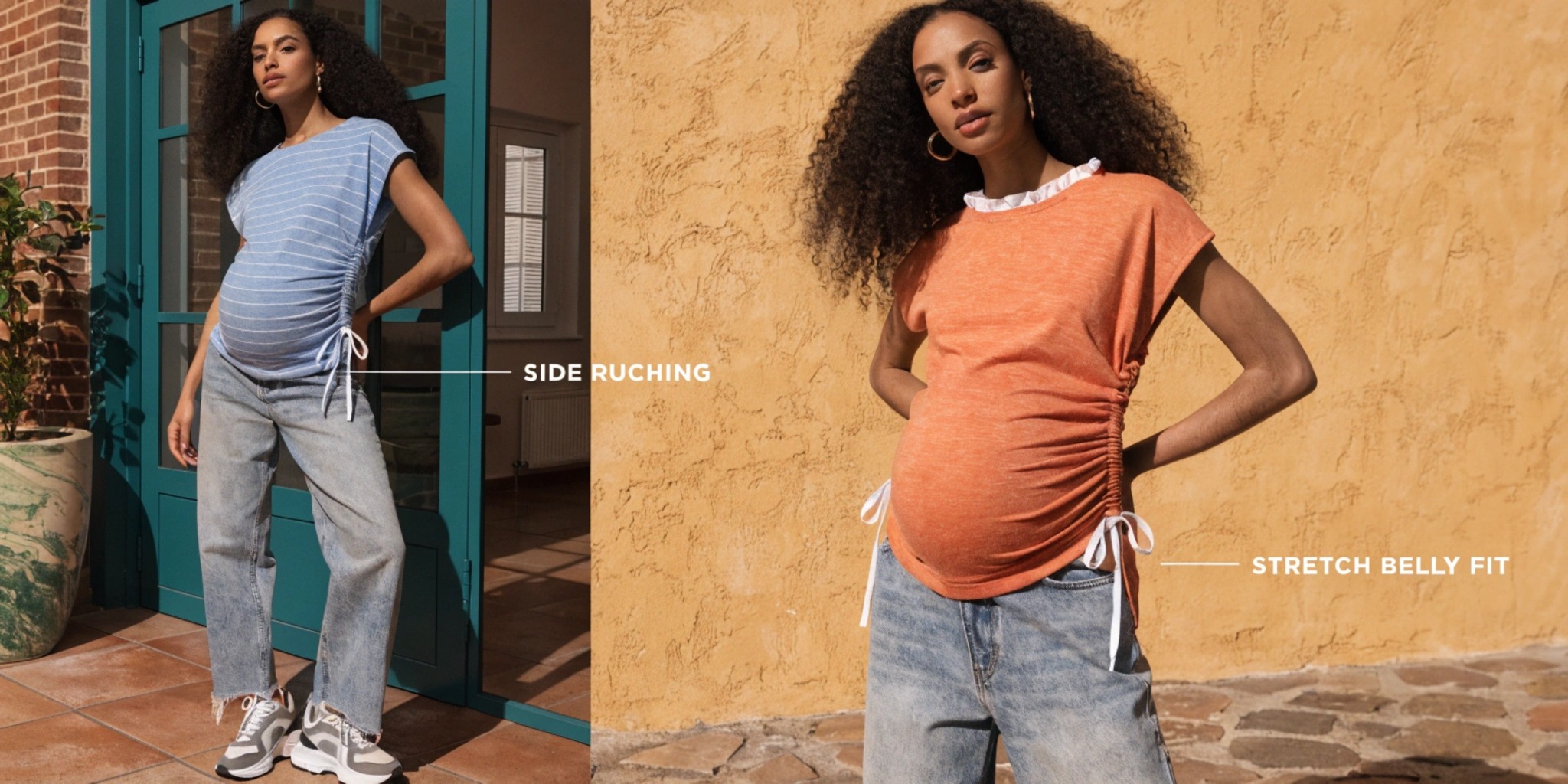
First, maternity tops usually include extra stretch and length around the belly area. This allows the shirt to expand naturally as the pregnancy progresses without becoming tight or uncomfortable.
Second, maternity garments often feature side ruching or gathered seams. These design elements create additional space for the baby bump while maintaining a flattering silhouette.
Third, maternity fabrics are typically softer and more breathable. Expecting mothers often have more sensitive skin, so materials like cotton blends, bamboo fabrics, or modal are commonly used to enhance comfort.
Why Maternity T-Shirts Are Essential in Maternity Apparel Collections
Maternity T-shirts are considered a staple product in maternity clothing collections for several reasons.
They are versatile enough for daily wear, whether at home, at work, or during casual outings. Many pregnant women also prefer simple and comfortable clothing during pregnancy, which makes maternity T-shirts a frequently purchased item.
Additionally, maternity T-shirts often have a high repeat purchase rate. Many customers buy multiple styles, colors, and prints to mix and match with leggings, maternity jeans, or skirts.
Market Demand Trends for Maternity Clothing
The global maternity clothing market continues to expand as consumers place greater importance on comfort and lifestyle during pregnancy. In recent years, several trends have driven demand for maternity T-shirts:
• The rise of comfortable lifestyle clothing and athleisure wear
• Increasing popularity of online maternity fashion brands
• Greater focus on stylish yet functional maternity clothing
For retailers and brands, maternity T-shirts represent a practical entry point into the maternity apparel market.
What Customization Options Are Available for Maternity T-Shirts?
One of the key advantages of working with a custom manufacturer is the ability to tailor products to match your brand identity. Custom maternity T-shirts can be personalized in multiple ways, from fabrics to design details and branding elements.
Fabric Options for Maternity T-Shirts
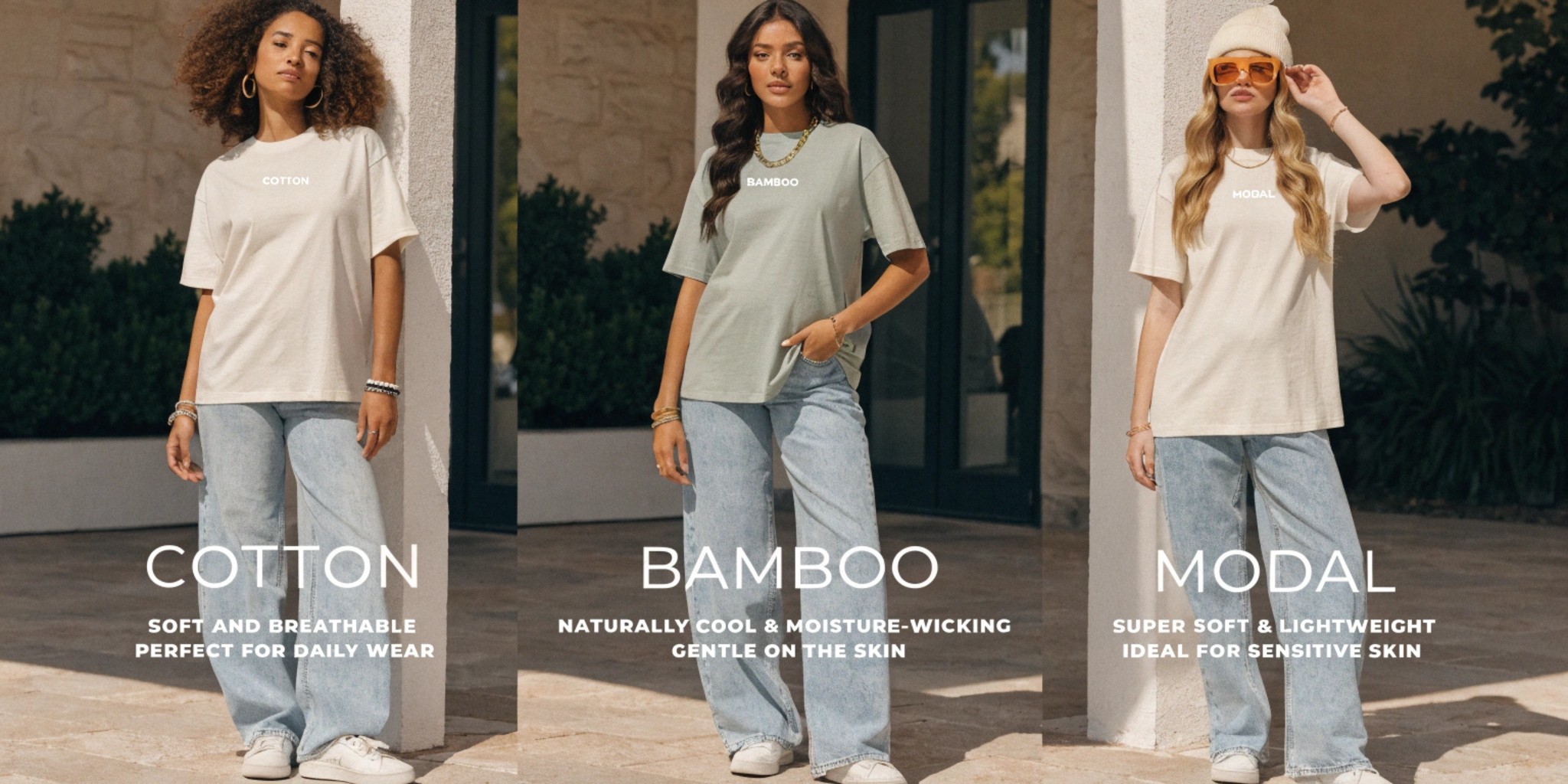
Fabric selection plays a crucial role in maternity clothing. Popular options include:
• Cotton jersey: breathable, comfortable, and widely used in everyday maternity wear
• Bamboo fabric: naturally soft, moisture-wicking, and eco-friendly
• Modal blends: smooth texture with excellent drape and elasticity
• Cotton-spandex blends: provide stretch for belly expansion
The right fabric helps ensure both comfort and durability, which are essential for maternity clothing.
Design Customization for Different Brand Styles
Brands can develop different maternity T-shirt styles depending on their target market. Some popular options include:
• Side-ruched maternity T-shirts
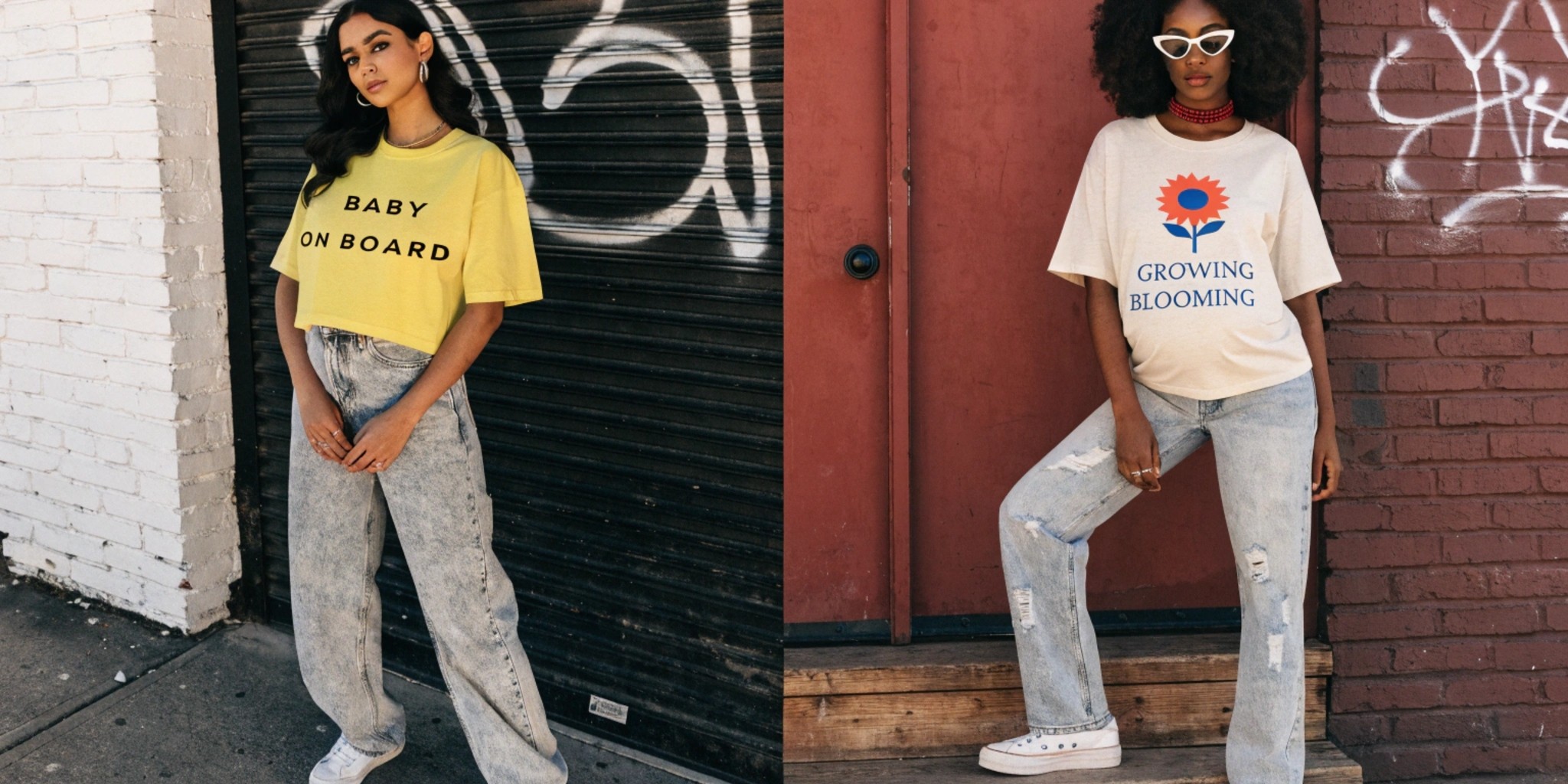
• Graphic maternity tees with slogans or artwork
• Relaxed-fit oversized maternity T-shirts
• Nursing-friendly tops designed for postpartum use
These variations allow brands to create unique collections that appeal to different customer preferences.
Branding and Private Label Customization
Private labeling is another important part of custom apparel manufacturing. Brands can incorporate various branding elements such as:
• Custom woven labels or printed neck labels
• Logo printing or embroidery
• Custom hangtags
• Branded packaging
These features help strengthen brand identity and create a more professional retail product.
Sustainable Fabric and Eco-Friendly Options
Sustainability has become a growing priority for many apparel brands. Manufacturers now offer eco-conscious fabric options such as:
• Organic cotton
• Recycled fibers
• Low-impact dyes
Offering sustainable maternity clothing can enhance a brand’s value and appeal to environmentally conscious consumers.
How to Choose the Right Custom Maternity T-Shirt Manufacturer?
Selecting the right manufacturing partner is a crucial step in building a successful maternity clothing line.
Key Factors Brands Should Evaluate
When evaluating manufacturers, brands should consider several important factors:
Experience in maternity apparel production
Fabric sourcing capabilities
Quality control systems
Production capacity and reliability
A manufacturer with experience in maternity clothing understands the importance of proper fit and comfort.
MOQ, Sampling, and Production Lead Time
Brands should also review practical production factors such as:
Minimum order quantity (MOQ)
Sample development process
Bulk production timeline
Some manufacturers offer flexible MOQs, which can be beneficial for startups or smaller brands launching their first maternity collection.
Why Many Brands Work with Experienced Manufacturers Like Ohsure
Working with a professional manufacturer can significantly simplify the product development process. Ohsure provides OEM and ODM apparel manufacturing services for brands looking to develop custom maternity clothing.
With strong pattern development capabilities, flexible customization options, and reliable production management, Ohsure supports brands in turning design ideas into high-quality finished products.
What Is the Typical Production Process for Custom Maternity T-Shirts?
Understanding the production process can help brands manage timelines and expectations when developing maternity clothing.
Step 1 – Concept and Design Development
The process typically begins with product design. Brands may provide sketches, reference samples, or detailed tech packs that include measurements, fabrics, and design specifications.
Step 2 – Sampling and Fit Testing
The manufacturer then produces initial samples. These samples allow brands to test:
• Fit and comfort
• Fabric performance
• Design accuracy
Adjustments are often made during this stage to ensure the garment fits well throughout pregnancy.
Step 3 – Bulk Production
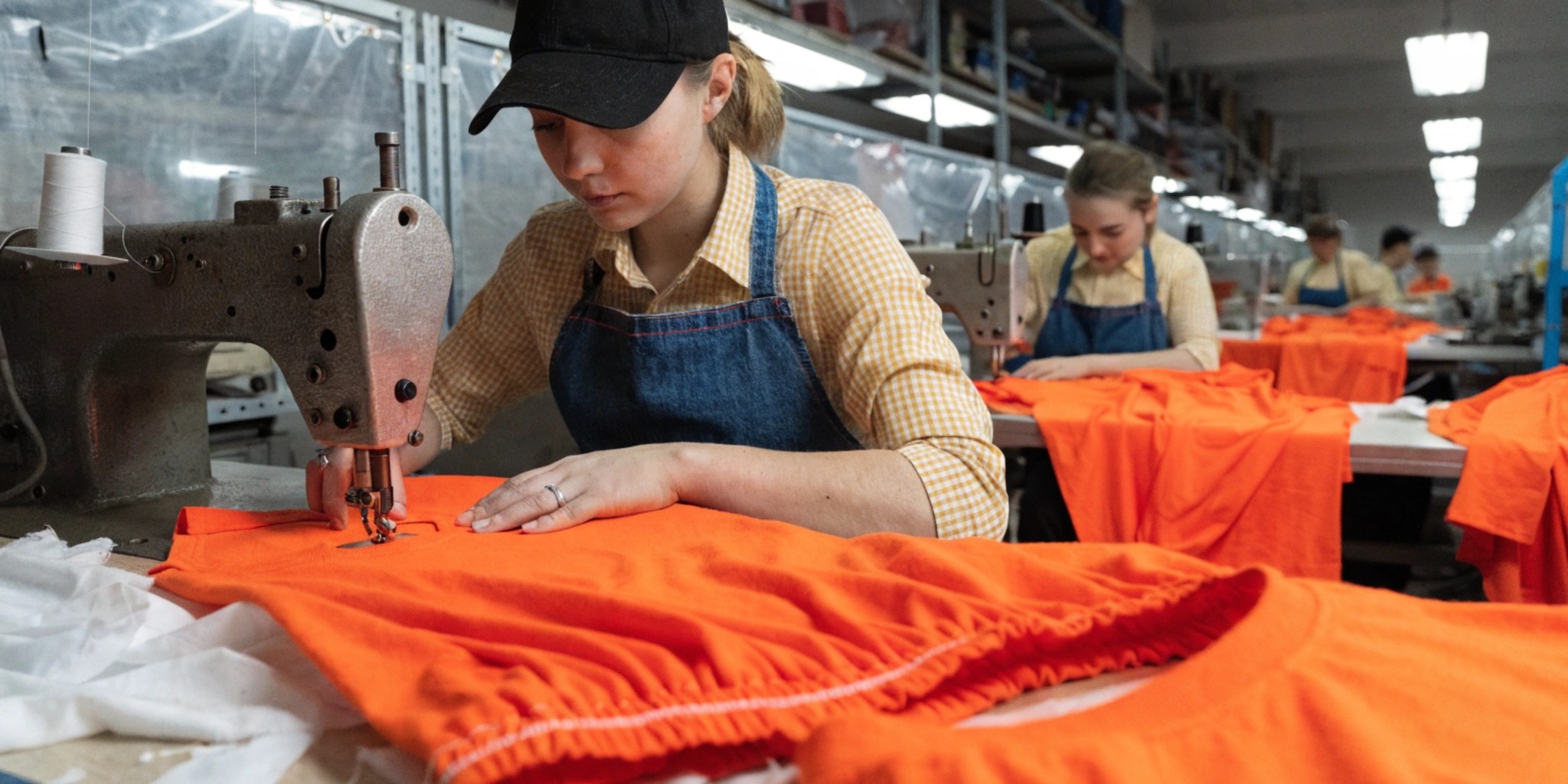
Once the sample is approved, bulk production begins. The process generally includes:
• Fabric cutting
• Sewing and assembly
• Printing, embroidery, or decoration
Step 4 – Quality Control and Final Inspection
Before shipment, manufacturers conduct quality checks to ensure product consistency. Inspections may include:
• Measurement verification
• Fabric quality testing
• Packaging inspection
What Are the Key Costs Involved in Custom Maternity T-Shirt Manufacturing?
Brands planning maternity apparel production should understand the main cost components involved.
Cost Component | Description | Impact on Price |
Fabric | Cotton, bamboo, modal, or stretch blends | High |
Printing / Decoration | Screen printing, embroidery, heat transfer | Medium |
| Pattern Development | Custom maternity fit adjustments | Medium |
| Labor | Sewing and assembly | Medium |
| Packaging | Custom labels, hangtags, polybags | Low |
| Logistics | Shipping and export costs | Variable |
How Fabric Choice Affects Product Pricing
Fabric is usually the largest cost factor. Premium fabrics such as bamboo or modal blends may increase production costs but can also enhance product quality and brand value.
How Order Quantity Influences Manufacturing Costs
Order volume also affects pricing. Larger production runs generally reduce the cost per unit because manufacturing expenses are distributed across more garments.
Conclusion: Building a Successful Maternity Apparel Line
Custom maternity T-shirts are an essential product category for brands entering the maternity fashion market. With the right combination of comfort-focused design, quality fabrics, and professional manufacturing, maternity T-shirts can become a reliable and profitable product line.
For brands and retailers looking to develop custom maternity apparel, partnering with an experienced manufacturer is key. Companies like Ohsure provide the expertise, customization capabilities, and production support needed to create high-quality maternity clothing collections.
By carefully selecting fabrics, designs, and manufacturing partners, brands can successfully build maternity T-shirt collections that meet the needs of modern consumers while strengthening their position in the growing maternity apparel market.