
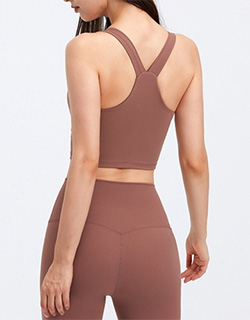
How to Design Maternity Leggings for Different Pregnancy Stages
How should maternity leggings change across pregnancy?
Design maternity leggings around measured body changes, adjustable coverage and verified fabric recovery. Use early, middle and late pregnancy as planning groups, then define the actual body range, panel geometry and wearing configuration for each size. Validate coverage, edge comfort and garment stability on identified samples before making a claim that one style spans stages.
This guide is for apparel buyers, technical designers and pattern teams developing adult maternity leggings. It provides a proposed development framework, not a medical protocol or a universal maternity size chart. The design task is to define where a garment fits and how it behaves as measurements change.

1. Build a measurement envelope before assigning pregnancy stages
A pregnancy-stage label does not specify abdomen shape, hip circumference, preferred waistband position or garment length. Start with a target customer and record the measurements needed for the proposed style: abdomen at a defined landmark, hip, thigh, inseam and the intended front and back coverage. State landmarks and units so another pattern maker can repeat the assessment.
Separate body measurements from garment measurements. A body circumference is not the same as a relaxed flat garment width, and neither is the same as fabric extension under a specified load. Record the intended relationship between them instead of copying the same percentage allowance to the belly panel and the legs.
Use the lower and upper boundaries of each proposed size range to plan sampling. Include different abdomen-to-hip proportions where the product promise requires them. If a sample works at one point but loses coverage at another, narrow the stated range, revise the construction or introduce another size. Do not assume an intermediate fit result proves every boundary.
2. Turn early, middle and late pregnancy into design questions
| Planning group | Question to investigate | Possible design response | Evidence required |
|---|---|---|---|
| Early pregnancy | Does the waistband remain comfortable when little additional front volume is needed? | Lower front, fold-over option or a panel that lies smoothly within its approved range | Seated edge behavior, excess fabric and migration observations |
| Middle pregnancy | Is there enough front length and volume without changing the intended leg fit? | Revised front rise, shaped panel and evaluated join position | Front coverage, side balance and movement observations |
| Late pregnancy | Can the garment retain coverage at the larger intended abdomen range? | Additional panel capacity or another size/configuration if required | Upper-range fit, donning, seated coverage and wearer feedback |
| One style across stages | Does each advertised configuration work across the stated range? | Controlled adjustment or clearly limited size/fit scope | Separate records for range boundaries and configurations |
This matrix proposes questions; it does not prescribe that every early-pregnancy wearer needs a low front or every late-pregnancy wearer needs an over-belly panel. Preferences and proportions differ. Explain the evaluated measurement range in the size guide, with stage wording used only as supporting context.
3. Engineer the panel, rise and leg block together
For an over-belly version, specify center-front panel height, side height, top-edge circumference and panel-to-body join shape. Allocate additional front length where the brief requires it while retaining the intended hip and leg silhouette. Check how the join sits when standing and seated; an attractive drawing alone cannot establish comfort.
For an under-belly version, define the lower front curve and the back rise needed for coverage. Evaluate edge contact and migration rather than assuming a low front avoids all pressure. Fold-over designs require separate approval in each intended position because folding changes thickness, edge placement and the available panel height.
Document seam type, thread, seam allowance and skin-facing finish at the panel join and gusset. Check the relationship between seam extension and the surrounding knit. Add a pocket only after considering its opening position and how the intended load affects stability. A loaded pocket should be included in the relevant garment check.
Original pattern annotation map
Add A–D points of measure, material codes, stretch directions, seam details and tolerances to the actual tech pack. The sketch represents one over-belly option, not a cutting pattern or a pressure specification. Stage labels do not determine these dimensions.

4. Select fabrics against the panel’s working range
Nylon/elastane and polyester/elastane knits are possible starting points, but composition alone does not establish recovery, opacity or comfort. Identify construction, fabric mass, stretch direction, finish and lot. Evaluate the panel and leg materials as a joined garment, especially if they have different extension or recovery behavior.
| Property | Define before comparison | Retain with the sample |
|---|---|---|
| Stretch and recovery | Direction, method, loading, cycles and recovery interval | Results for identified material lots and agreed limits |
| Opacity | Color, lighting, background and specified posture or extension | Observations at the intended fit range, including larger extension |
| Wash stability | Care sequence and garment measurement method | Before/after dimensions, appearance and panel behavior |
| Seam behavior | Relevant extension and seam construction | Seam opening, breakage or distortion observations |
Avoid selecting a universal elastane percentage, fabric weight or stretch target for all stages. A highly extensible fabric can still recover poorly, and adding another layer may change both opacity and warmth. Set requirements with the buyer and laboratory for the actual use case; do not translate a hand stretch demonstration into a measured performance claim.
5. Grade the range and test the wearing configurations
Build a graded specification with an explicit method for each point of measure. Include relaxed dimensions, agreed tolerances and any defined extension assessment. Front panel height, top edge, hip and thigh do not necessarily need identical grading increments; the pattern team should justify the proposed changes against the target body range.
Fit review should cover the base size and the boundaries needed to support the proposed range, including relevant abdomen-to-hip proportions. Record which sizes and configurations were actually evaluated. A single middle-size prototype cannot demonstrate that every graded size fits, and a standing photograph does not demonstrate seated coverage.
Use consenting adult participants and a specialist-reviewed plan. Agree appropriate tasks with each participant, provide privacy and collect only relevant fit information. Record standing and seated coverage, walking-related migration, seam contact, donning and direct wearer feedback. Stop immediately if discomfort is reported; do not repeat an uncomfortable task to complete a record.
Activity decisions belong with the wearer and their healthcare professional. The NHS exercise-in-pregnancy guidance advises listening to the body and adapting activity as pregnancy progresses. It is health context, not apparel certification, and supplies no universal waistband-pressure limit.
Repeat the agreed checks after the specified care sequence. Record Pass, Fail, Pending or Not applicable against requirements set in advance, with reasons and corrective actions. An unperformed check remains pending. Keep each result attached to the sample revision, material lot and configuration that produced it.
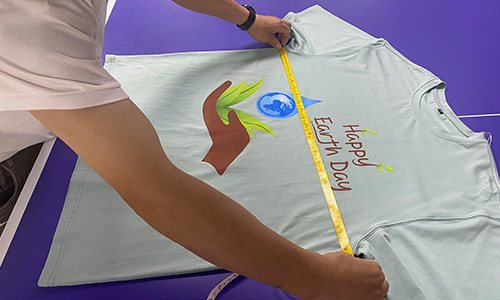
6. Use a stage-to-sample release record
The original design and validation pack contains a printable release checklist, a blank fit log and a blank measurement log. It connects a planning group to the actual body range, pattern revision, panel setting and approval evidence. It is an editorial template, not completed test data or a validated clinical instrument.
| Release gate | Required record | Hold the decision when… |
|---|---|---|
| Brief | Target range, use, coverage and advertised configurations | A stage label is the only fit definition |
| Pattern | Graded measurements, seam details and material identities | Dimensions or revision references are missing |
| Fit | Range-boundary observations and direct wearer feedback | Coverage, edge comfort or migration is unresolved |
| Care and materials | Identified reports and repeat garment checks | Results are missing or do not cover the stated product |
| Claims and handover | Reviewed size guide, labels and signed decision | Claims exceed evidence or the approver is unidentified |
For example, if a panel rolls at the upper edge during a seated check, record the location, sample, setting and actual feedback. The corrective action may involve the finish, shape, height or size scope; the observation alone does not identify the cause. Recheck the revision before closing the issue. This is a hypothetical troubleshooting example, not an Ohsure customer case.
7. Prepare an Ohsure enquiry with comparable commercial terms
Ohsure’s maternity manufacturing page describes design, sourcing, sampling and production services. Its quality-control page outlines material and garment inspection activities. Use these public process descriptions to frame an enquiry; obtain records specific to your design before approval.
Send the proposed range, annotated drawing, material requirements, color/size quantities, care instructions, target market and desired evidence. Request a named pattern or product contact and a revision schedule. Keep a regular-block comparison separate from the stage-specific release plan; the maternity-versus-regular activewear comparison explains that starting decision.
| Parameter | Ask the supplier to quote | Development risk to resolve |
|---|---|---|
| MOQ | Minimum by style, fabric, color and size allocation | Separate panel fabric or elastic minimums |
| Unit and sample cost | Same tech-pack revision, quantity, currency and trade term; sample fees separately | Extra panel pieces, size-set scope and fit revisions |
| Lead time | Material, prototype, revision and bulk milestones with approval triggers | Time for specialist review and repeat checks |
| Material substitution | Exact alternative and reapproval scope | Changed recovery, opacity or seam behavior |
There is no verified project quotation here, so this guide supplies no fixed MOQ, price or lead-time promise. Request current written terms. For the wider product workflow, use the maternity and nursing manufacturing guide.
8. Buyer FAQs
Do I need a separate legging for every trimester?
Not necessarily. One style may cover a defined measurement range if its configurations are evaluated. Decide from fit evidence and the intended customer, rather than creating three styles solely from stage labels.
Should late-pregnancy leggings always have a higher panel?
No. Panel height is one design variable. Coverage preference, front balance, upper-edge behavior and the intended body range should guide the choice and its verification.
Can I use the same fabric for the panel and legs?
Yes, as a development option. Verify its recovery, opacity and joined-garment behavior across the proposed range. Matching fabric does not remove the need for fit review.
How much extra front rise should I add?
No universal increment is established here. Develop the rise from the target measurements, coverage and panel join, then record the approved dimensions and size increments.
Can the same leggings be promoted for postpartum recovery?
Postpartum fit is a separate scope to evaluate. Recovery, pain reduction or therapeutic compression claims need their own evidence and market review; pregnancy fit approval does not establish them.
What should the factory keep before bulk release?
Keep the approved tech pack, material identities, graded size records, fit and care evidence, open-issue closures, size guide and signed release decision. Identify any untested sizes or configurations.
These are editorial buyer questions, not quotations from supplied customer enquiries.
Sources, evidence and editorial review
Sources checked 21 October 2026: Ohsure’s maternity service and quality-control pages for published process scope; NHS for general activity context. The design matrix, annotation map and blank logs are original proposed tools. No wearer-study dataset, laboratory results or numerical pressure targets were supplied for this article.
Author: pending real name, role and experience. Pattern maker/product specialist review: pending. Draft prepared and updated 21 October 2026; not published. Add the real reviewer, date, evidence references and market-specific label/claim review before treating this as an approved technical specification. No specialist endorsement is claimed.