
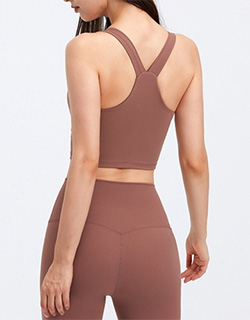
How to Plan Your First Private Label Activewear Collection
PRIVATE LABEL ACTIVEWEAR · FIRST COLLECTION GUIDE
To plan your first private label activewear collection, define one target customer, select a focused group of complementary products, and calculate quantities by style, color and size. Confirm fabric, fit, branding, landed cost and supplier minimums before sampling. Approve production specifications and quality requirements before placing a bulk order, then build your launch schedule around confirmed delivery milestones.
Your first collection should answer a specific buying need. A clear range makes it easier to explain your brand, compare supplier quotations and learn which products deserve a reorder. This guide uses illustrative planning examples, not sales forecasts or supplier quotations.
1. What Is a Private Label Activewear Collection?
A private label activewear collection is a coordinated range sold under your brand using a supplier's existing or adaptable garment designs. Your approved scope may include logos, labels, packaging, fabric options and colors. Pattern changes or new constructions can move a project into more extensive custom development.
Supplier terminology varies. Ask exactly which changes are included, which need additional sampling, whether the design is shared with other buyers, and what you own after development. Adding your logo does not automatically give you exclusive rights to the underlying garment.
| Route | Starting point | What to clarify |
|---|---|---|
| Existing private label style | Supplier's established garment platform | Available fabrics, colors, branding changes and stock status |
| Adapted existing style | Base garment with agreed modifications | Fit changes, new trims, sample fees and revised minimums |
| Custom development | Your brief, measurements and construction requirements | Pattern development, revisions, ownership and production feasibility |
2. Define One Customer and One Main Use Case
Begin with a short customer brief: who the collection serves, what they wear it for, which fit problems they experience, and what price they are willing to consider. Use interviews, customer questions, fit sessions or a small audience test to challenge your assumptions.
- Activity: yoga, strength training, running or everyday athleisure.
- Fit priorities: waistband stability, coverage, inseam, bra adjustment or freedom of movement.
- Commercial position: target retail price, sales channel and reason to choose your brand.
- Collection identity: a consistent palette, finish and logo placement system.
For example, “studio-to-everyday clothing for customers seeking soft fabric and dependable coverage” is a usable product brief. It guides fabric selection, styling and wear testing. “Activewear for everyone” leaves too many decisions unresolved.
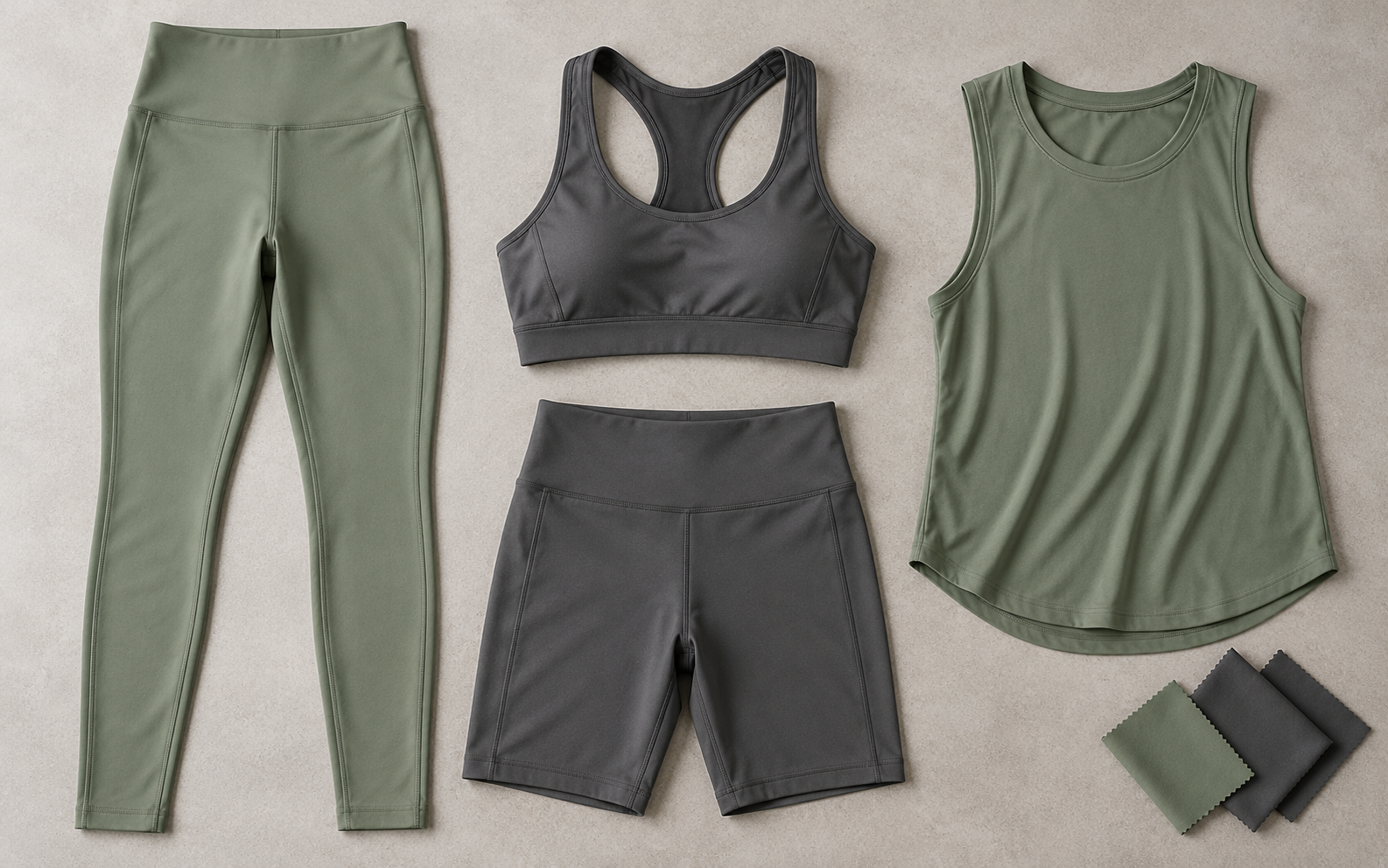
3. Build a Focused Product Assortment
One workable starting example is a four-style capsule: a hero bottom, a coordinating bra or top, an alternative bottom, and a layering piece. This is a planning option, not a universal minimum. If your budget cannot support development and inventory across four styles, reduce the range.
| Product | Collection role | Confirm before sampling |
|---|---|---|
| High-waist leggings | Main product and fit reference | Waistband, inseam, opacity, recovery and seams |
| Coordinating sports bra | Completes a matching outfit | Intended activity, underband, straps, cups and coverage |
| Biker shorts | Alternative bottom | Leg opening, inseam, ride-up and waistband fit |
| Tank or relaxed top | Layering and styling option | Length, armhole, drape and compatibility with the bra |
For a men's training range, the equivalent structure could be training shorts, a performance T-shirt, a tank and joggers. Select products around the same customer's needs. Expanding into several unrelated activities adds fit and material decisions before demand is established.
Explore custom leggings and custom sports bras to turn product references into a specific development brief.
Count SKUs separately from garments
SKU count = styles × colors × sizes when every style uses the same color and size range. Four styles in two colors and five sizes create 40 SKUs. Each SKU needs a quantity allocation, inventory record and replenishment decision.
If garments are sold as separates, one bra and one pair of leggings are two pieces. If you also sell them as a bundle, define how the bundle draws from those inventories so the same stock is not counted twice.
4. Check MOQ at Every Level
Ask whether the minimum applies per order, per style, per color, per fabric or per size. Fabric dyeing, custom trims, labels and packaging can have separate minimums even when garment quantities look manageable.
Hypothetical order calculation: If a supplier agrees to 100 pieces per style per color with mixed sizes, four styles in two colors require 800 garments. Across 40 SKUs, that averages 20 garments per SKU. The actual size allocation should follow your audience evidence and supplier agreement; equal allocation is only arithmetic.
Request a written size breakdown for every style-color combination. For example, 10 XS + 20 S + 30 M + 25 L + 15 XL totals 100 pieces. This demonstrates how a mixed-size order works; it is not a recommended size curve for every market.
Build a budget beyond the factory unit price
| Budget line | Include | Question for the supplier or provider |
|---|---|---|
| Development | Samples, pattern changes, revisions and sample freight | What is included, and which costs repeat? |
| Bulk garments | Fabric, sewing, agreed trims and finishing | Which specification and quantity does the price cover? |
| Branding and packaging | Logo setup, labels, hangtags, bags and cartons | Are setup charges or component minimums separate? |
| Quality and delivery | Testing, inspection, freight, import charges and handling | Which costs are included in the shipping quotation? |
| Launch and reserve | Photography, store setup, marketing and contingency | How much cash remains after the stock arrives? |
Illustrative arithmetic: 800 garments at an assumed average factory price of US$12 equal US$9,600. If development, branding, inspection, freight and non-recoverable import costs add an assumed US$2,400, the combined amount is US$12,000, or US$15 per garment when allocated evenly. These are invented inputs for budgeting, not Ohsure prices or a market benchmark. Actual costs vary by product and destination.
Calculate contribution per sale using net sales revenue after discounts and expected refunds, less allocated product cost, payment fees, fulfillment, shipping subsidies and variable marketing costs. Gross margin alone does not show how much cash is available for your next order.
5. Specify Fabric, Color and Branding Together
A fiber percentage does not fully describe a fabric. Request the composition, construction, weight, finish, stretch behavior and care instructions. Compare physical swatches and garments against your intended activity.
- Leggings and shorts: assess opacity under stretch, recovery, waistband behavior, pilling and seam comfort.
- Sports bras: assess the whole garment, including the underband, straps, lining and cup construction. Fabric alone cannot establish support.
- Performance tops: assess airflow, drape, movement and the evidence behind any performance claim.
- Matching colors: review the actual fabrics together. Different constructions can look different even when ordered to the same color reference.
Approve logo artwork, dimensions, placement and application on the actual fabric. Check the result after stretching and washing. Confirm labels and packaging alongside the garment brief to avoid separate component minimums emerging late.
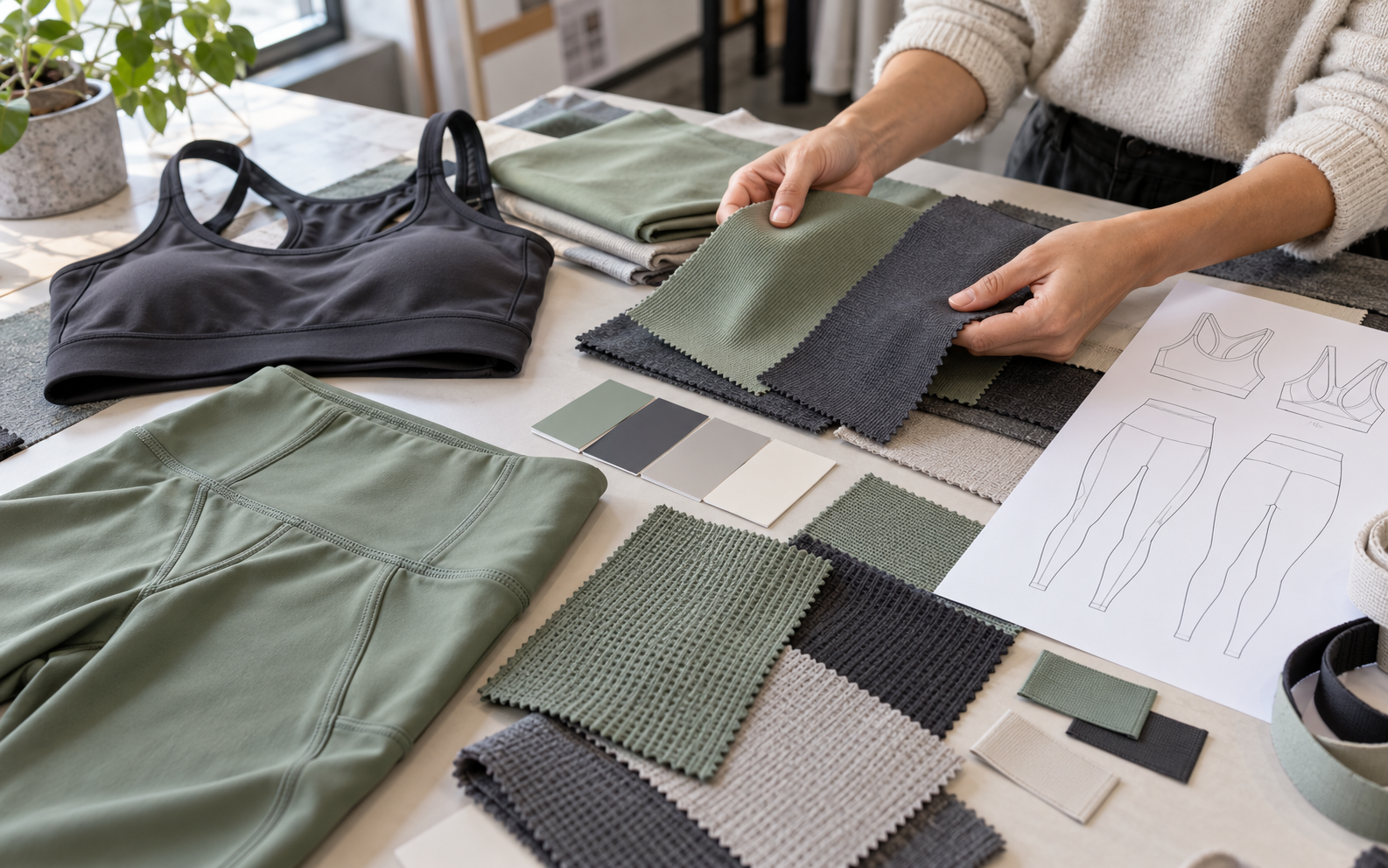
6. Prepare a Clear Sampling Brief
Send one controlled document for each style. Include front and back references, measurements, fabric requirements, color choices, construction details, logo artwork, labels, packaging, quantities and your target delivery window. Identify what is mandatory and where alternatives are acceptable.
- Review feasibility: confirm available base styles, materials, modifications and minimums.
- Approve the sample scope: record fees, deliverables, expected timing and revision terms.
- Evaluate fit and movement: use relevant wear testers and the intended activities.
- Consolidate feedback: mark measurements, photos and requested changes in one revision record.
- Approve production references: retain the approved sample, specification, material references and packaging instructions.
Use a quality checklist with acceptance criteria
Agree how measurements, tolerances, workmanship, color, logo durability and packaging will be checked. Define test methods and pass criteria for claims you intend to make. A successful casual wear test does not establish that a garment meets every claimed performance level.
Check the size range, including its endpoints, through an agreed size-set process. One approved medium sample cannot establish the fit of every size. Confirm final inspection arrangements and how defects or deviations will be handled before shipment.
A manufacturing perspective: control the specification
“Soft fabric,” “premium quality” and “high support” leave room for different interpretations. A supplier can act on a named fabric reference, measurable dimensions, agreed construction and documented acceptance criteria. When something changes after approval, record its effect on price, timing and the production sample before proceeding.
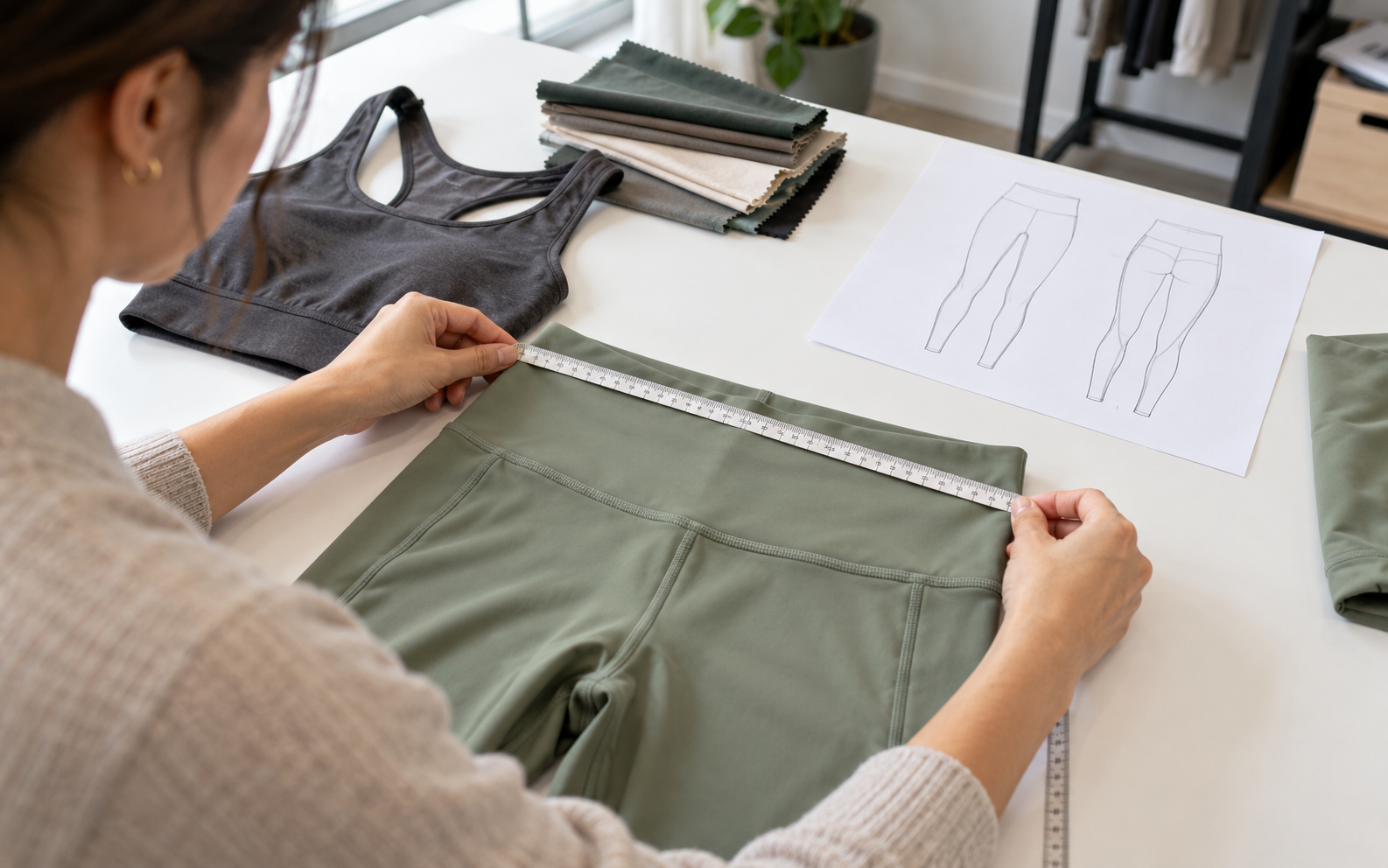
7. Build Your Timeline Around Approval Milestones
A factory production estimate is only one part of the launch schedule. Request dates for sourcing, sampling, revisions, material approval, production, inspection and shipping, and confirm what starts each clock.
| Stage | Ready to proceed when | Possible delay |
|---|---|---|
| Development | Brief, base styles and sample scope are agreed | Missing measurements or unavailable materials |
| Sampling and revisions | Fit, fabric, colors and branding are approved | Additional fit rounds or failed wash checks |
| Bulk production | Required approvals, materials and payment conditions are met | Material lead times or changes after approval |
| Inspection and dispatch | Goods meet the agreed release requirements | Rework, missing labels or packing errors |
| Receiving and launch | Delivery, stock count, product content and fulfillment are ready | Transit disruption or receiving discrepancies |
Allow a contingency based on your actual sourcing and shipping risks. A firm launch date needs a complete schedule; adding sampling and bulk estimates together leaves out approvals, revisions and transport.
Plan what you will learn from the first drop
Track sales by SKU, contribution, returns and fit feedback. Separate a product problem from a marketing problem: low traffic does not prove poor demand, and a fast-selling size may simply have had too little opening stock.
Set a reorder review point using expected demand during the confirmed replenishment lead time plus a stock buffer. Check fabric continuity and repeat-order minimums before relying on a reorder to prevent stockouts.
Common First-Collection Mistakes
- Too many colors too soon: every added color can multiply inventory and material commitments.
- Selecting by images alone: photos cannot confirm fit, handfeel, opacity or wash behavior.
- Comparing unlike quotations: use the same fabric, construction, branding, quantity and delivery scope.
- Approving only appearance: include movement, laundering and size-range evaluation.
- Spending the entire budget on stock: leave resources for content, customer acquisition, returns and replenishment.
- Assuming designs are exclusive: document rights and exclusivity when they matter to your brand.
Frequently Asked Questions
How many styles should my first collection include?
Choose the smallest range that delivers a complete customer proposition and fits your development budget. A three- or four-style capsule can be a planning starting point, but a single hero product with strong validation may suit a narrower launch.
Can I start with one color?
Yes, if the supplier accepts the quantity and the color supports your collection. Compare one-color and two-color order totals before deciding. Additional colors can increase both stock and component commitments.
Can I mix sizes within the MOQ?
Only when the supplier agrees. Ask for the minimum by style, color and size, then obtain written approval of your size allocation. A stated order minimum does not automatically explain the size rules.
Do I need a tech pack for private label products?
You still need written specifications. For an unchanged base style, a confirmed supplier specification with your branding instructions may be sufficient. Fit changes or custom construction require more detailed development documentation.
How long does the first collection take?
The total depends on material availability, sample rounds, approvals, production capacity and shipping. Ask for a milestone schedule for your actual project rather than treating an advertised production lead time as a complete launch estimate.
Should I sell matching sets or separates?
Separates let customers choose different top and bottom sizes. Bundles can simplify outfit shopping, but need clear pricing, inventory and return rules. Confirm how your store and warehouse will handle each option.
Turn Your Collection Plan Into a Supplier Brief
Prepare your target customer, product references, style-color quantities, size range, fabric direction, branding requirements, destination and desired delivery window. Ask Ohsure to review the scope, available options and quotation requirements before sampling.
Explore private label activewear options and OEM and ODM manufacturing services .
Discuss Your First Collection