
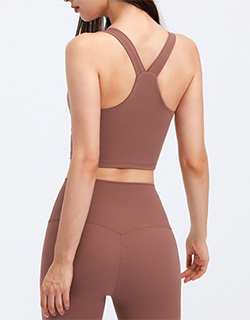
Activewear Sampling Process: From First Prototype to Production Approval
Activewear Product Development Guide
How the Activewear Sampling Process Works
The activewear sampling process turns a design brief into a repeatable, production-ready garment. A strong process does more than make one attractive prototype: it verifies fit, construction, fabric performance, branding placement and measurement tolerances before bulk fabric is cut.
The short answer
Most custom programs move through a development sample, one or more fit revisions, a pre-production sample and a size-set or grading check. The exact sequence depends on product complexity and factory workflow. Buyers reduce delays by sending one consolidated feedback document, recording every approved detail and refusing to treat an unapproved sample as the bulk-production standard.
Why Sampling Is a Control Stage, Not a Formality
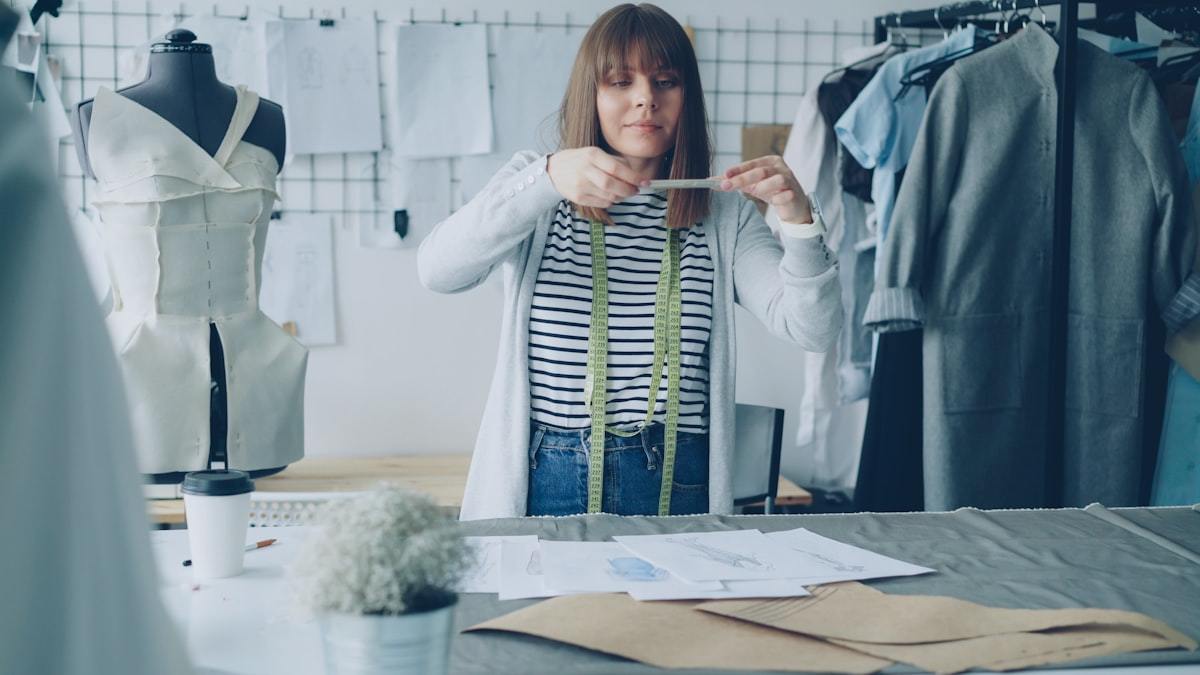
A sample is the physical translation of the tech pack, pattern, fabric, trims and workmanship requirements. It reveals conflicts that are difficult to see on a drawing—for example, a waistband that looks correct but rolls during movement, a pocket opening that is hard to use, or a seam that restricts stretch.
The goal is not simply to approve how the garment looks on a hanger. The goal is to create an approved reference that the factory can reproduce at scale. That reference should connect to a dated tech pack, measurement chart, bill of materials, color standard, artwork file and written comment history.
Fit
Silhouette, ease, rise, inseam, compression, mobility and size consistency.
Construction
Seam type, stitch density, reinforcement, edge finish and workmanship.
Performance
Stretch recovery, opacity, support, comfort, moisture behavior and wash response.
The Main Types of Activewear Samples
| Sample stage | Primary purpose | What to check | Approval meaning |
|---|---|---|---|
| Development or prototype sample | Translate the initial concept into a physical garment | Overall design, construction feasibility, proportions and major components | The concept is viable; it is not necessarily ready for bulk production |
| Fit sample | Correct shape, balance and measurements on the intended body or form | Key points of measure, mobility, compression, seam position and comfort | The base-size fit is accepted, subject to recorded corrections |
| Color or lab-dip approval | Confirm fabric color against the agreed standard | Color under relevant lighting, lot variation and coordination with trims | The selected color standard can be used for material production |
| Pre-production sample | Represent the intended bulk garment with final materials and details | Fabric, trims, labels, artwork, measurements, construction and packaging details | The approved sample becomes a key bulk-production reference |
| Size set | Verify grading across selected sizes | Measurement progression, proportions, fit consistency and problem sizes | The grading rules are accepted for the production size range |
Important: factories may use different names or combine stages. Define the purpose, required materials and approval status of each sample in writing so both sides use the same meaning.
A Buyer’s Step-by-Step Sampling Workflow
-
01
Submit a complete sample brief
Provide the tech pack, base-size measurement chart, fabric requirements, color references, artwork files, label details, trim specifications, target use and reference samples where available. Mark which points are fixed and which can be optimized by the manufacturer.
-
02
Confirm feasibility before cutting
Resolve questions about fabric availability, stitch options, print or logo limits, expected tolerance, sample charges and timing. If the factory proposes an alternative, request the reason and record the approved substitution.
-
03
Inspect and measure the sample
Use the same measurement method listed in the tech pack. Record the actual value, target value and deviation for every critical point. Photograph the tape position so later checks remain consistent.
-
04
Run fit and movement checks
Assess the garment on the correct fit model or body form. For activewear, include product-relevant movements such as squats, lunges, arm raises and torso rotation. Check support, coverage, seam comfort and whether edges remain in place.
-
05
Send one consolidated comment file
Separate mandatory corrections from preferences. Pair each comment with a numbered photo or diagram, state the requested change and update the corresponding tech-pack page. Avoid scattered instructions across multiple chat messages.
-
06
Approve a controlled production reference
Approve only after all open points are resolved. Identify the approved sample version, approval date and any exceptions. Keep one sealed or signed reference when practical, and ensure the factory retains a matching standard.
What to Check on an Activewear Sample
Measurements and fit
- All critical points of measure and agreed tolerances
- Front-to-back balance, rise, inseam and body length
- Compression and recovery without excessive restriction
- Coverage and opacity during movement
- Grading logic across the planned size range
Materials and performance
- Fabric composition, weight, hand feel and stretch direction
- Color match and consistency between fabric and trims
- Recovery after repeated stretching
- Pilling, shrinkage and colorfastness requirements
- Breathability, moisture management or support where specified
Construction and branding
- Seam type, stitch appearance and reinforcement points
- No skipped stitches, puckering, twisting or rough edges
- Logo size, color, position and durability method
- Care label, size label and brand-label content
- Pocket access, zipper function and trim security
Commercial readiness
- Final bill of materials matches the approved sample
- Packaging and folding instructions are documented
- Testing requirements and responsibility are confirmed
- Bulk tolerance and inspection criteria are written
- All approvals are dated and version-controlled
How to Write Feedback That Prevents Extra Rounds
Good sample feedback is specific, measurable and traceable. “Make the waistband better” leaves the factory to interpret the problem. “Reduce the finished waistband height from 10 cm to 8 cm and increase the top-edge elastic tension to prevent rolling” gives the pattern and sewing teams an actionable instruction.
Weak comment
“The leggings feel too loose.”
Actionable comment
“At the base size, reduce the half-waist measurement by 1 cm and half-hip by 0.5 cm. Maintain the approved inseam and confirm the change does not create seam strain during a squat test.”
Use a revision table with comment number, location, current condition, required change, owner, status and supporting image. When a change affects a measurement or material, update the master specification rather than relying only on the comment sheet.
Common Sampling Mistakes
Changing several variables without recording them
If fabric, pattern and construction all change together, it becomes difficult to identify what improved or damaged the result. Record every variable by version.
Approving appearance without testing movement
Activewear must work in motion. Static fit alone can miss rolling waistbands, restrictive seams, gaping necklines and opacity problems.
Using the wrong materials for final approval
A sample made from substitute fabric may be useful for construction review, but it cannot fully confirm compression, drape, color or wash behavior.
Leaving approvals in scattered messages
Consolidate decisions in a controlled file. Informal chat should not be the only record for a detail that controls bulk production.
Activewear Sampling FAQs
How many sample rounds should a buyer expect?
There is no universal number. A clear tech pack and proven construction may need fewer rounds, while a new pattern, complex support structure, custom fabric or extensive branding may need more. Plan for revision time instead of assuming the first sample will be production-ready.
Can a prototype be used as the pre-production sample?
Only if it uses the final approved pattern, fabric, trims, branding and construction and all open comments are closed. A prototype made with substitutions should not silently become the bulk standard.
Should every size be sampled?
Not always, but buyers should verify the grading strategy and inspect a sensible size set, especially at the smallest and largest ends of the range. Risk increases when proportions or support requirements change significantly across sizes.
Who owns the approved sample and pattern?
Ownership depends on the commercial agreement. Confirm pattern ownership, sample retention, confidentiality, reuse restrictions and what files will be supplied before development begins.
Build a Repeatable Approval System
The strongest sampling process connects every physical decision to a controlled document. Define each sample stage, measure consistently, test the garment in its intended use, consolidate comments and approve one traceable production reference. This makes quality discussions clearer and gives both buyer and manufacturer a shared standard for bulk inspection.
Before requesting a sample, review the broader activewear manufacturing guides and prepare the product brief, measurement chart, materials, artwork and target timeline.