
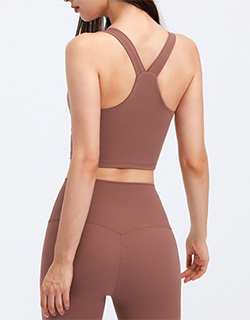
How to Choose the Right Maternity Activewear Manufacturer for Your Brand
Launching a maternity activewear brand requires more than finding a factory that can sew garments. Pregnancy activewear demands specialized pattern development, stretch performance, comfort, safety, and consistent quality throughout production.
Choosing the right maternity activewear manufacturer can determine whether your products receive positive customer reviews or costly returns. This guide explains what apparel brands should evaluate before selecting a manufacturing partner.
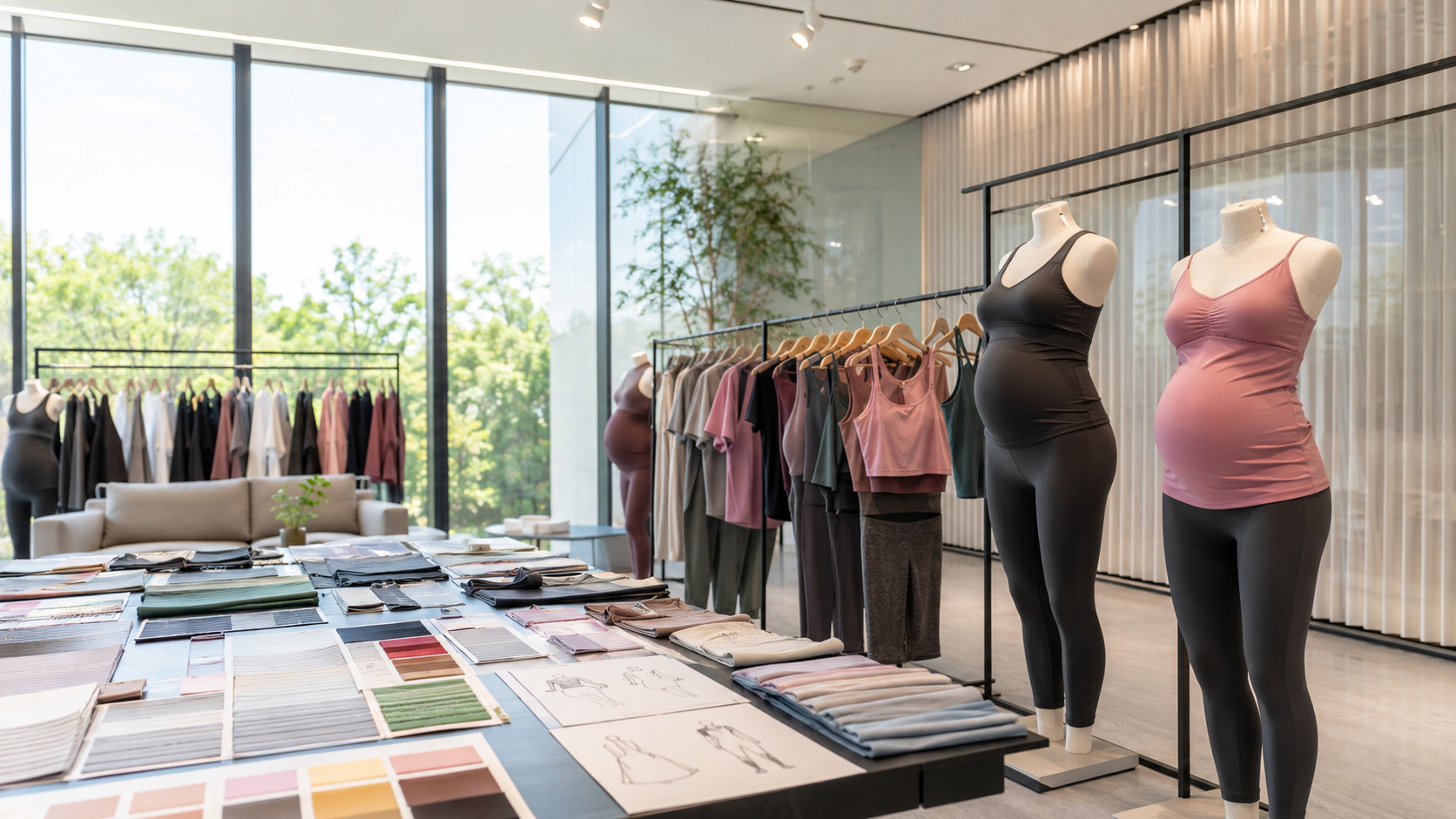
What Makes a Maternity Activewear Manufacturer Different from a Regular Activewear Factory?
Not every activewear factory understands maternity clothing. Unlike standard leggings or sports bras, maternity activewear must accommodate body changes throughout pregnancy while maintaining support, flexibility, and comfort.
A qualified manufacturer should understand ergonomic pattern development, supportive waistbands, breathable fabrics, and fit consistency across multiple pregnancy stages. Brands can review dedicated custom maternity activewear solutions before choosing a supplier.
Key capabilities include
- Pregnancy-specific pattern making
- High-stretch performance fabrics
- Supportive waistband engineering
- Nursing-friendly design options
- Extensive sample testing
- Consistent grading for multiple sizes
Why Is Manufacturing Experience Important?
Factories with maternity apparel experience usually solve production problems before they become expensive mistakes. They understand fabric recovery, seam comfort, compression control, size grading, and international buyer requirements.
If the factory also manufactures women's sportswear, custom leggings, and custom sports bras, it often has broader technical expertise for maternity activewear development.
Which Fabrics Are Best for Maternity Activewear?
Fabric selection directly affects comfort, fit, and customer satisfaction. The ideal maternity activewear fabric should combine softness, 4-way stretch, moisture management, durability, and shape retention.
Your manufacturer should recommend fabrics based on your product positioning instead of using one fabric for every collection. You can also review the fabric guide and fabric selection service for more material options.
| Fabric | Benefits | Best For |
|---|---|---|
| Nylon Spandex | Excellent stretch and recovery | Maternity leggings |
| Polyester Spandex | Moisture wicking and durable | Workout sets |
| Bamboo Blend | Soft, breathable and skin-friendly | Lounge activewear |
| Modal Blend | Smooth hand feel and everyday comfort | Daily maternity wear |
| Recycled Performance Fabric | Sustainable option for eco-conscious brands | Premium activewear collections |
For performance textile testing, manufacturers should understand recognized standards from organizations such as ASTM International.
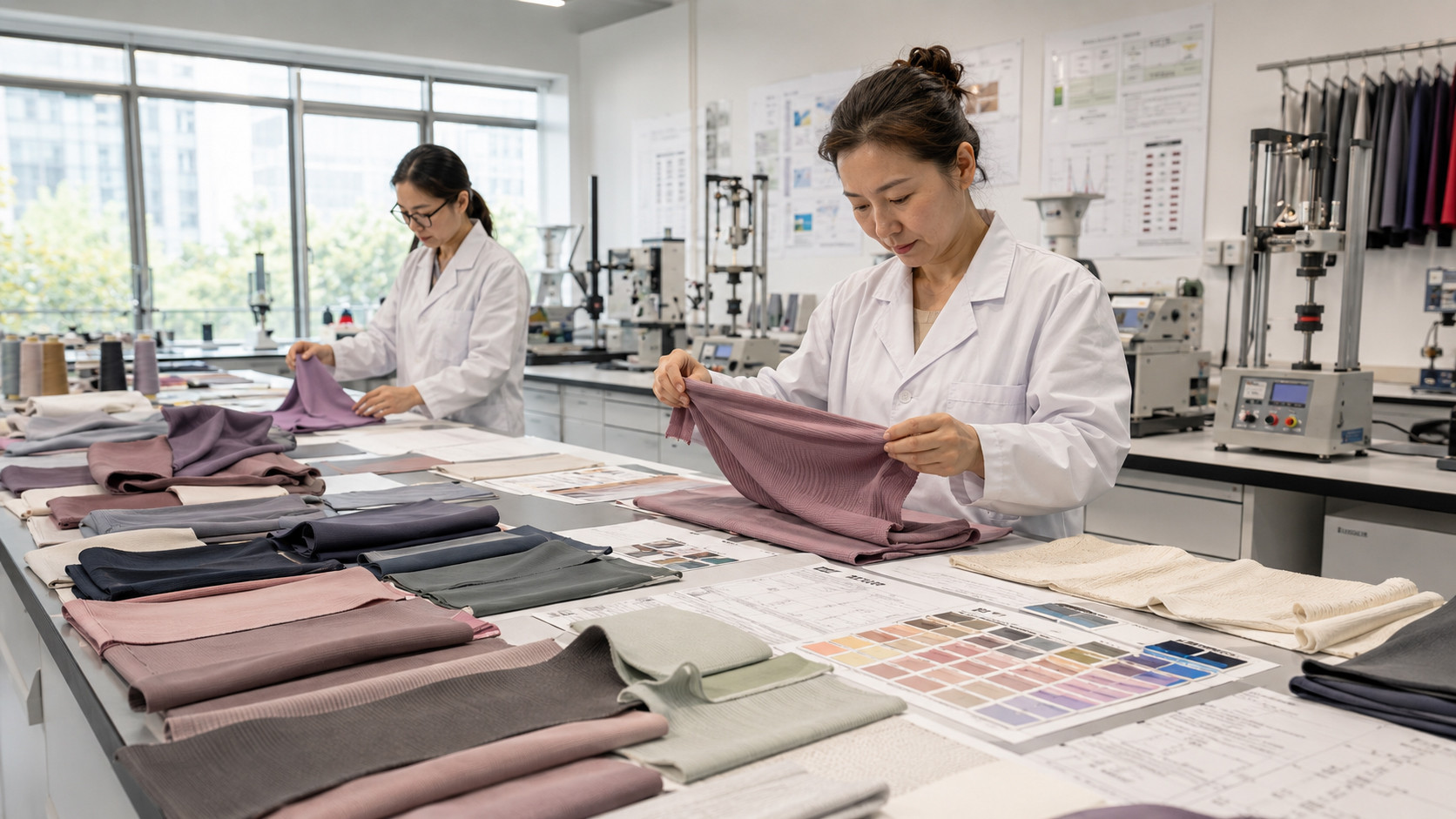
Can the Manufacturer Develop Custom Designs?
Many maternity activewear brands eventually need exclusive collections instead of ready-made styles. A capable OEM manufacturer should support tech pack review, pattern development, prototype creation, size grading, color matching, logo application and packaging customization.
Factories that offer both private label manufacturing and custom activewear manufacturing usually provide better flexibility as your brand grows.
Product Development
- Tech pack review
- Pattern development
- Size grading
- Prototype creation
- Sample revision
Customization Options
- Private labels
- Custom logos
- Hang tags
- Packaging
- Color matching
How Important Is Sample Development?
Sample development is where product quality is established. Brands should not skip sample revisions only to save time because maternity activewear requires accurate fit, comfortable seams, reliable stretch recovery, and stable support.
Professional manufacturers usually evaluate fit, stretch recovery, seam durability, support level, color consistency, and wash performance before bulk production. For apparel labeling and care requirements, brands can review the U.S. Federal Trade Commission textile guidance.
What Certifications Should You Ask About?
Certifications help buyers evaluate textile safety, sustainability, and production reliability. Requirements vary by market, but reputable manufacturers may support OEKO-TEX® Standard 100, GRS, BSCI, or ISO-related quality systems.
For textile safety information, brands can review the official OEKO-TEX® website when evaluating fabric claims and supplier documentation.
How Can You Evaluate Quality Control?
Quality control should cover the entire manufacturing process instead of only checking finished goods. A transparent manufacturer should explain its quality control process and provide inspection reports when requested.
Quality inspection should include
- Fabric defects and color consistency before cutting
- Measurements, stitching quality and logo placement during production
- Final appearance, packaging, carton quality and quantity before shipment
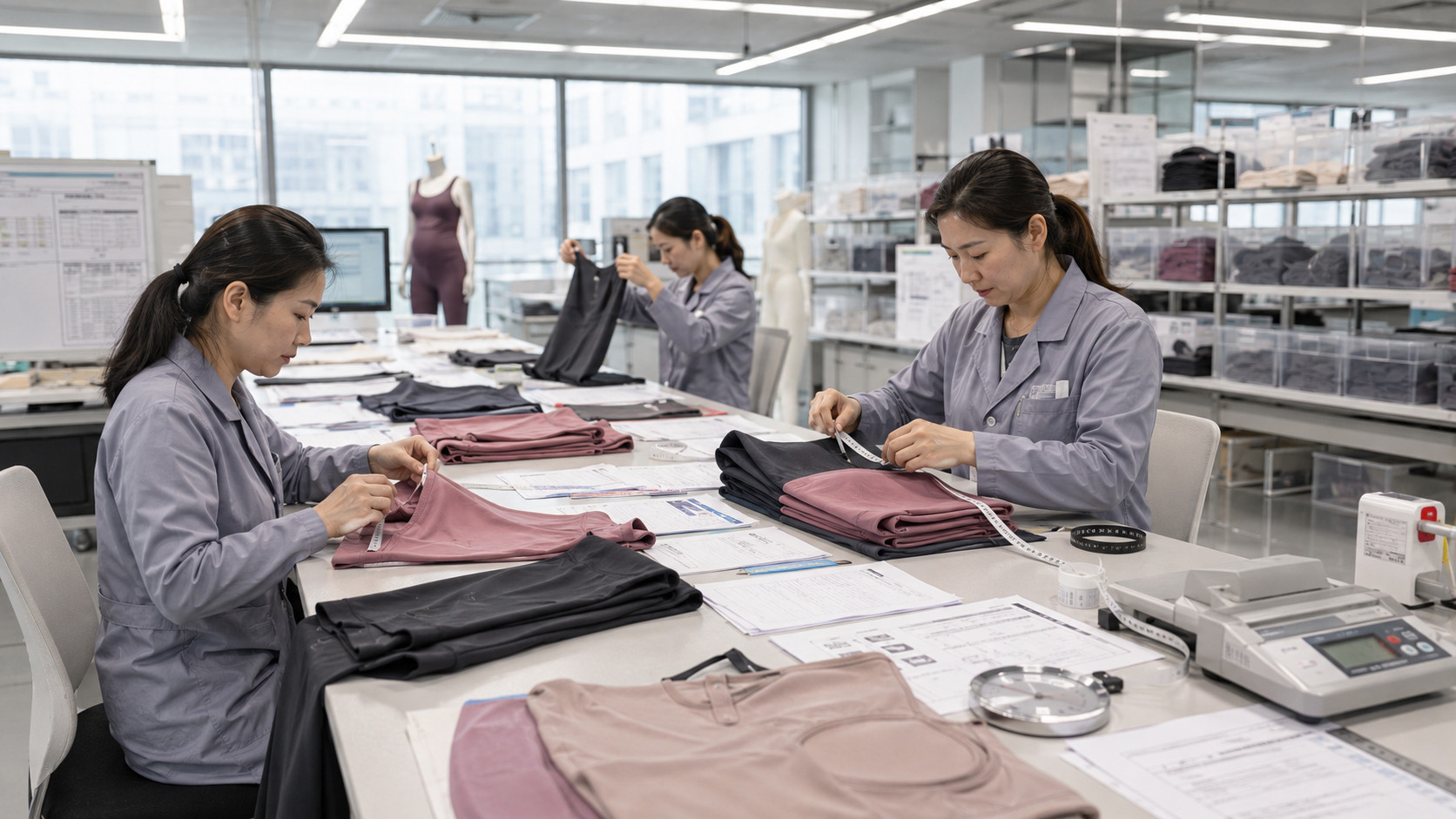
What MOQ and Lead Time Are Reasonable?
MOQ affects startup cost, inventory pressure, and collection planning. Rather than choosing the lowest MOQ, brands should evaluate whether the supplier can maintain stable quality when order volume increases.
| Item | Typical Range |
|---|---|
| MOQ | 100–300 pcs per style |
| Sample Time | 7–15 days |
| Bulk Production | 25–40 days |
Factories with established supply chain management systems generally provide more reliable delivery schedules.
Should the Manufacturer Offer Additional Product Categories?
As your brand expands, you may introduce breastfeeding clothing, tank tops, track pants, sports hoodies, or other activewear products. Working with one trusted supplier can simplify development, quality management, communication, and logistics.
Relevant product expansion options include custom breastfeeding clothing, custom tank tops, custom track pants, and custom sports hoodies.
What Questions Should You Ask Before Signing a Manufacturing Agreement?
Before placing your first order, prepare a structured supplier evaluation. Professional factories should answer clearly and provide supporting documents when necessary.
Ask about these points
- Factory ownership and production capacity
- Sampling process and revision policy
- Fabric sourcing and certification options
- Quality inspection steps
- MOQ, lead time and payment terms
- Export experience and shipping support
You can also review the manufacturing process to understand how a project moves from design to shipment.
Why Should You Choose a Long-Term Manufacturing Partner Instead of the Cheapest Factory?
The lowest quotation rarely delivers the best long-term value. Reliable manufacturers reduce hidden costs through better communication, fewer production errors, stable quality, and on-time delivery.
A long-term partnership also supports faster sampling, better pricing at higher volumes, continuous product development, and stronger brand consistency. Brands can explore the full product collection or visit the Ohsurewear homepage to learn more about OEM, ODM, and private label activewear manufacturing services.
Conclusion
Choosing the right maternity activewear manufacturer involves much more than comparing prices. Brands should evaluate technical expertise, maternity-specific product development, fabric selection, quality control, certifications, production capacity, and long-term scalability.
A manufacturer that understands both performance apparel and maternity functionality becomes a valuable partner in helping your brand launch confidently and grow sustainably in the competitive activewear market.
```