
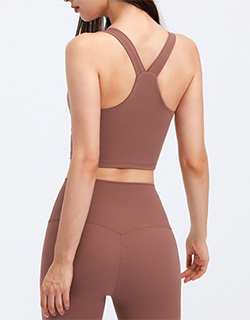
Private Label Fitness Apparel Manufacturers: How to Choose the Right Partner for Your Brand
Launching or scaling a fitness apparel brand is no longer just about eye-catching designs or influencer marketing. Behind every successful activewear brand is a reliable private label fitness apparel manufacturer that understands both production and brand strategy. Choosing the wrong manufacturing partner can lead to quality issues, delayed launches, and costly mistakes—while the right partner can accelerate growth and long-term brand success.
This guide explains what private label fitness apparel manufacturing really means, what factors matter most when choosing a supplier, common risks to avoid, and how to identify a partner that supports your brand beyond production.
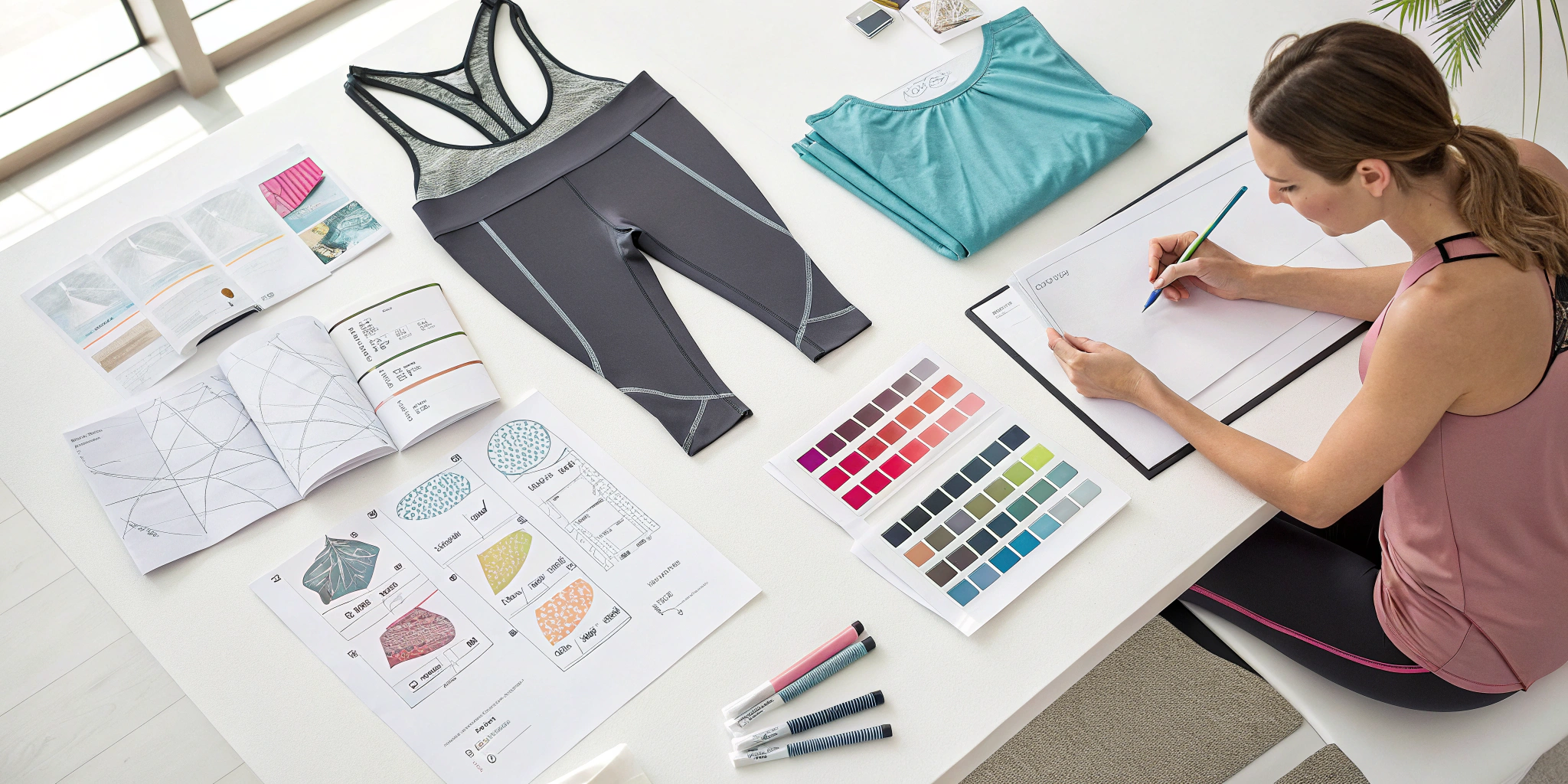
What Is a Private Label Fitness Apparel Manufacturer? (And Why It Matters for Brand Growth)
A private label fitness apparel manufacturer produces activewear that is sold under your brand name rather than their own. Unlike generic wholesalers, private label manufacturers allow brands to customize logos, colors, fabrics, sizing, and sometimes even garment construction—while leveraging the factory’s existing production infrastructure.
In the fitness apparel industry, private labeling is especially popular because trends change quickly and brands must react fast. Compared to full custom development, private label manufacturing enables:
• Faster product launches
• Lower upfront development costs
• Reduced production risk for new brands
• Easier testing of new styles and markets
Private label manufacturing differs from OEM and ODM models. OEM focuses on producing garments based on your exact designs, while ODM involves design input from the factory. Private label often sits between these models, combining ready-to-adapt designs with brand customization.
Key Factors to Evaluate Private Label Fitness Apparel Manufacturers
Not all private label fitness apparel manufacturers are suitable for brand-building. Before committing to a supplier, brands should evaluate several critical factors that directly affect product quality, scalability, and long-term cooperation.
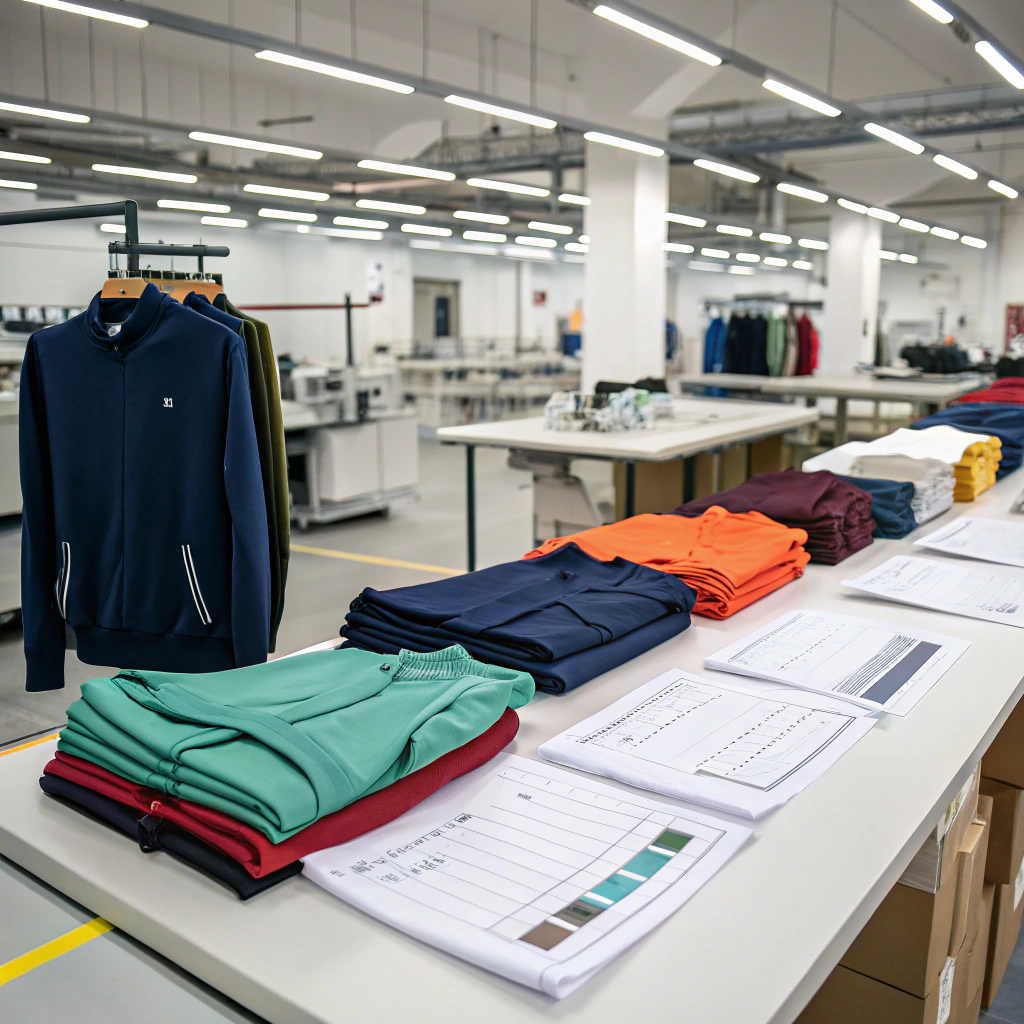
Minimum Order Quantity (MOQ) Flexibility
Low or flexible MOQs are essential for startups and growing brands. However, MOQ should be evaluated together with sampling policies and reorder terms—not in isolation.
Fabric & Performance Material Expertise
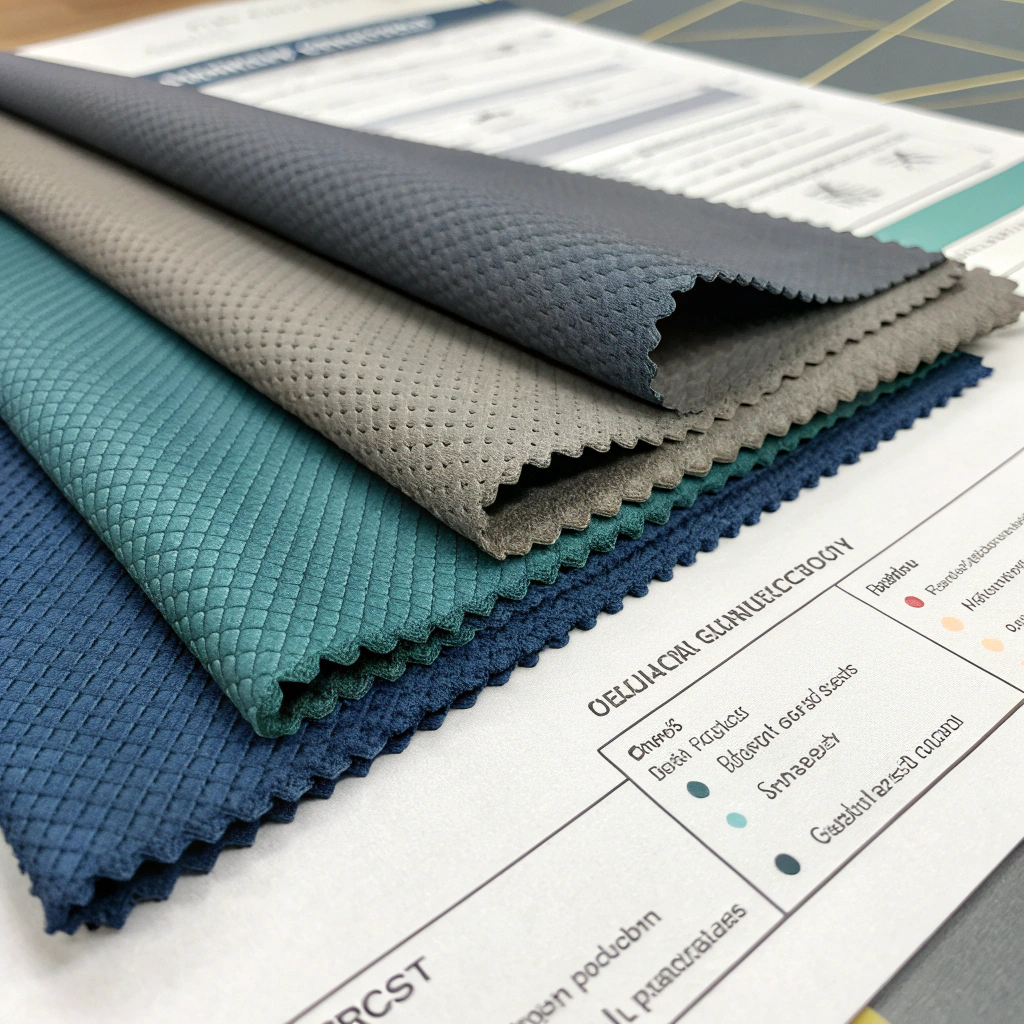
A reliable manufacturer should offer a wide range of performance fabrics, such as nylon-spandex blends, recycled polyester, compression fabrics, moisture-wicking textiles, and four-way stretch materials. Fabric knowledge directly affects comfort, durability, and customer satisfaction.
Customization Capabilities
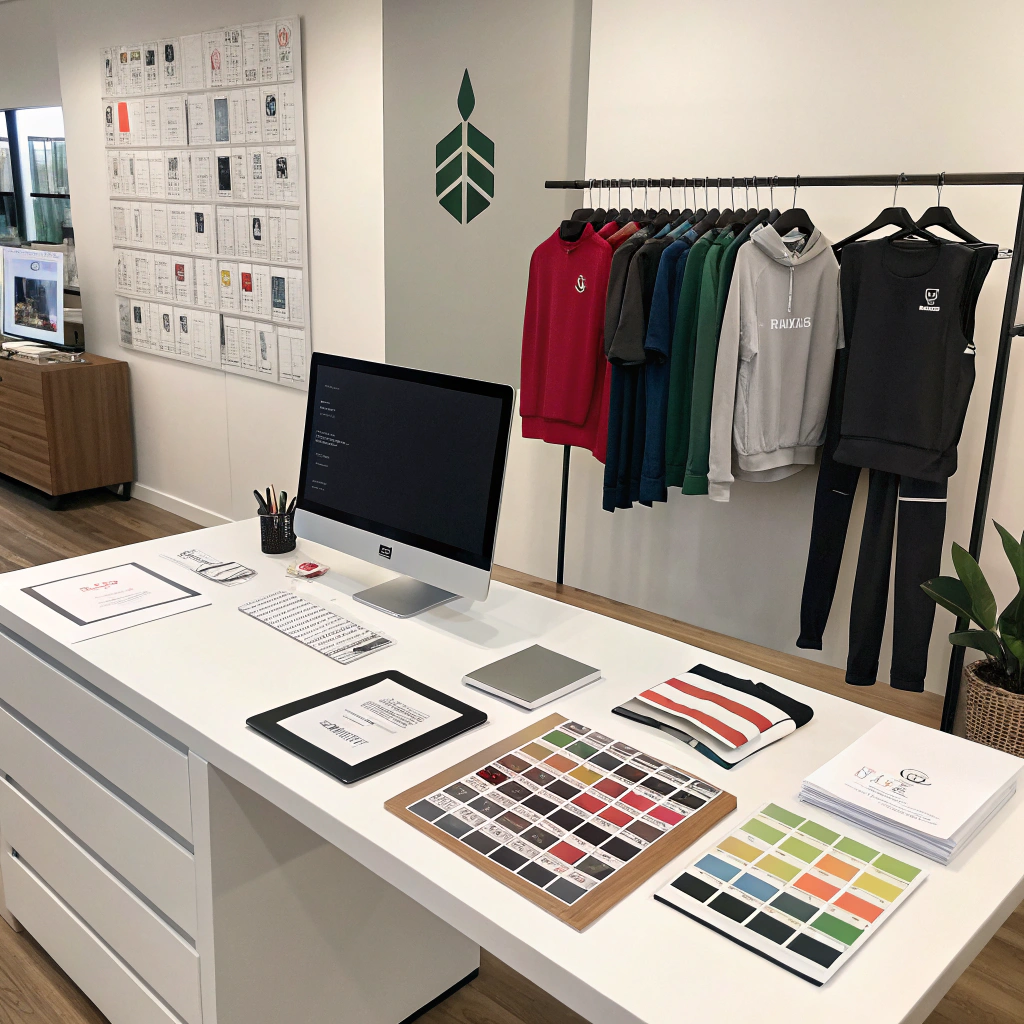
Private label fitness apparel must support branding through custom logos, color matching, labeling, packaging, and functional modifications such as waistband structure or seam placement.
Sampling & Development Speed
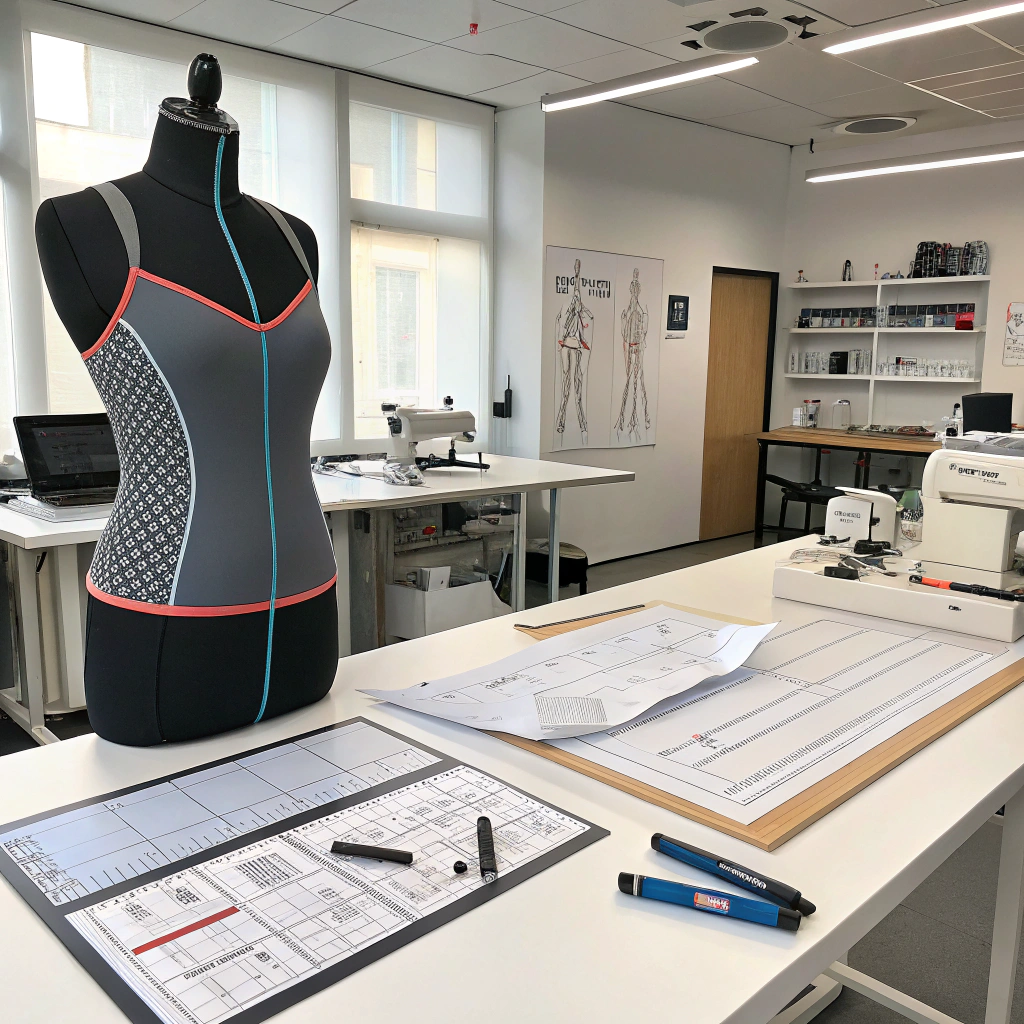
Fast sampling allows brands to test designs, improve fit, and respond to trends. Long sampling cycles often slow down brand growth.
Quality Control & Certifications
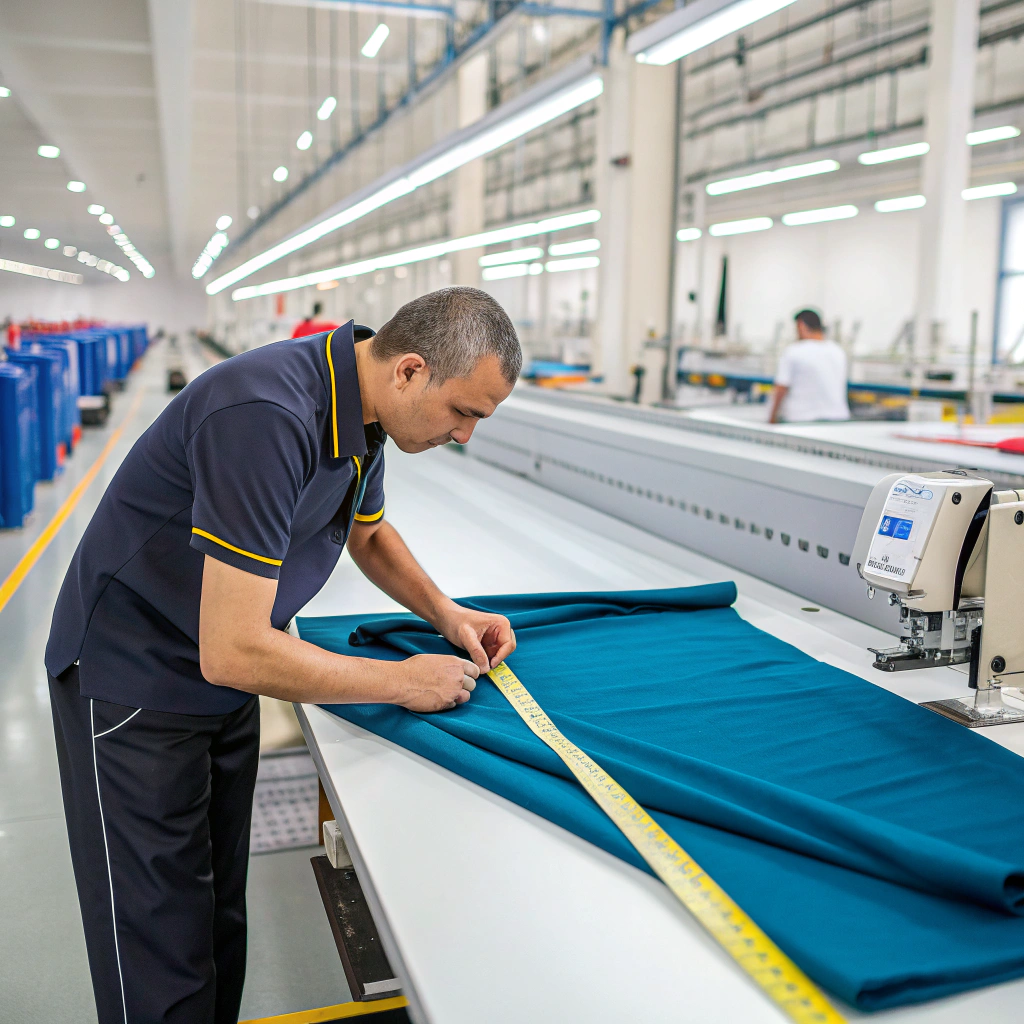
Consistent sizing, stitching quality, fabric performance testing, and certifications (such as ISO or BSCI) indicate a professional manufacturing operation.
Communication & Responsiveness
Clear communication, proactive updates, and problem-solving ability are often underestimated but critical for long-term cooperation.
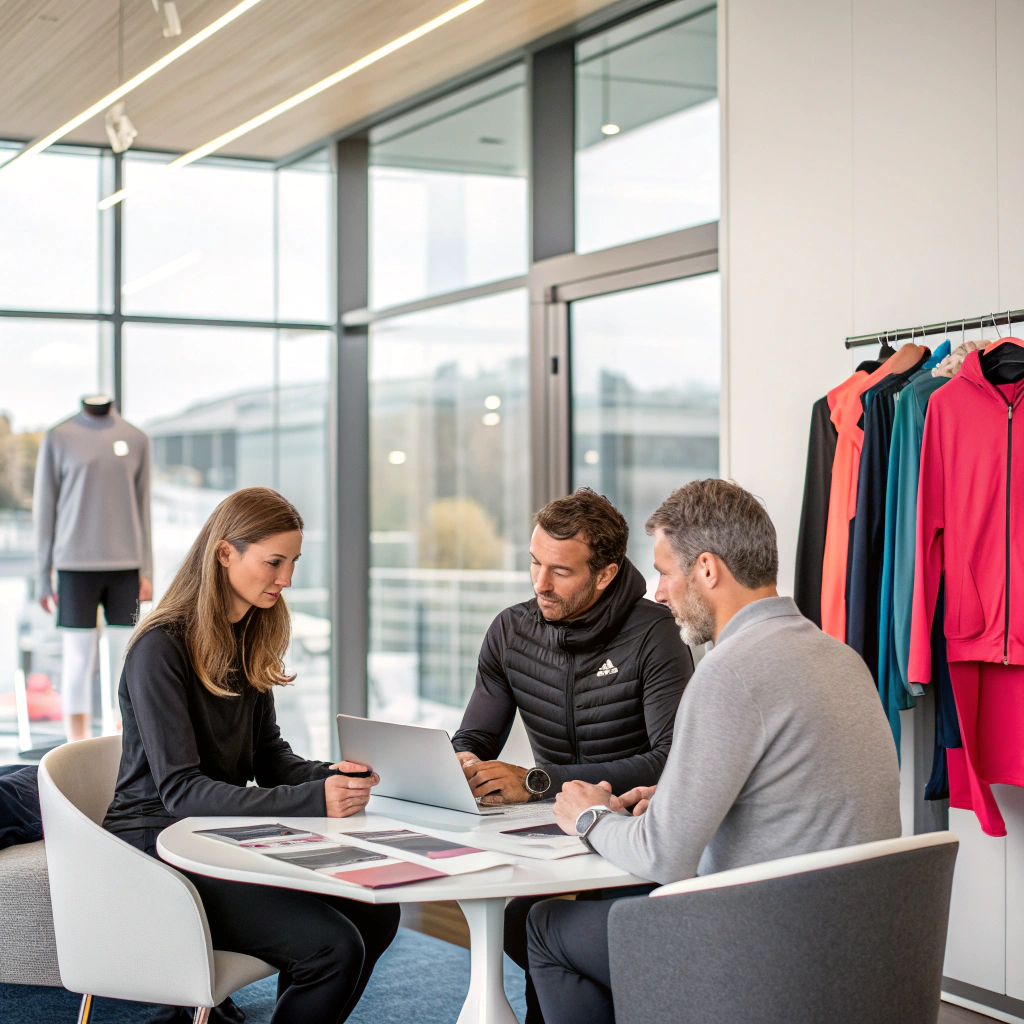
Common Risks When Working with Private Label Fitness Apparel Manufacturers
While private label manufacturing offers many advantages, it also carries risks if the wrong supplier is chosen. Understanding these risks helps brands avoid costly mistakes.
One common issue is inconsistency between samples and bulk production. A sample may meet expectations, but mass production may differ in fabric quality, fit, or finishing. Another risk is unclear intellectual property protection, where designs may be reused for other clients without permission.
Delivery delays during peak seasons are also common, especially when factories overcommit capacity. Additionally, some manufacturers focus solely on price competition, sacrificing long-term quality and brand compatibility.
How to Choose the Right Private Label Fitness Apparel Manufacturer for Long-Term Success
Choosing the right private label fitness apparel manufacturer requires evaluating not only current needs but future growth potential. A strong long-term partner typically demonstrates:
• Experience working with fitness apparel brands
• A structured private label production process
• Scalable production capacity
• In-house sampling and development support
• Transparent pricing and timelines
Brands should approach cooperation in stages: initial consultation, sampling, small-batch trial orders, and finally long-term production planning. This phased approach reduces risk and builds trust.
A reliable manufacturer acts as an extension of your product team—offering technical suggestions, production insights, and supply chain stability rather than simply fulfilling orders.
Final Thoughts
In today’s competitive activewear market, choosing the right private label fitness apparel manufacturer is a strategic decision—not a sourcing shortcut. Brands that prioritize flexibility, fabric expertise, quality control, and long-term collaboration gain a significant advantage in speed, consistency, and scalability.
By evaluating manufacturers through a brand-growth lens rather than unit pricing alone, you position your fitness apparel brand for sustainable success in an increasingly demanding global market.