
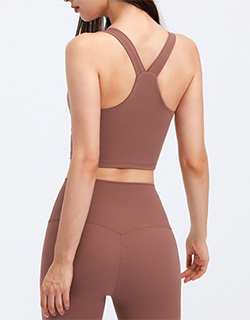
Best Fabrics for Sportswear: How to Choose the Right Material for Performance & Comfort
Choosing the right fabric is one of the most critical decisions when developing high-performance sportswear. The material directly impacts comfort, durability, flexibility, and overall athletic performance. At Ohsure, we’ve worked with global brands to optimize fabric selection for real-world performance—ensuring every garment delivers both function and comfort.
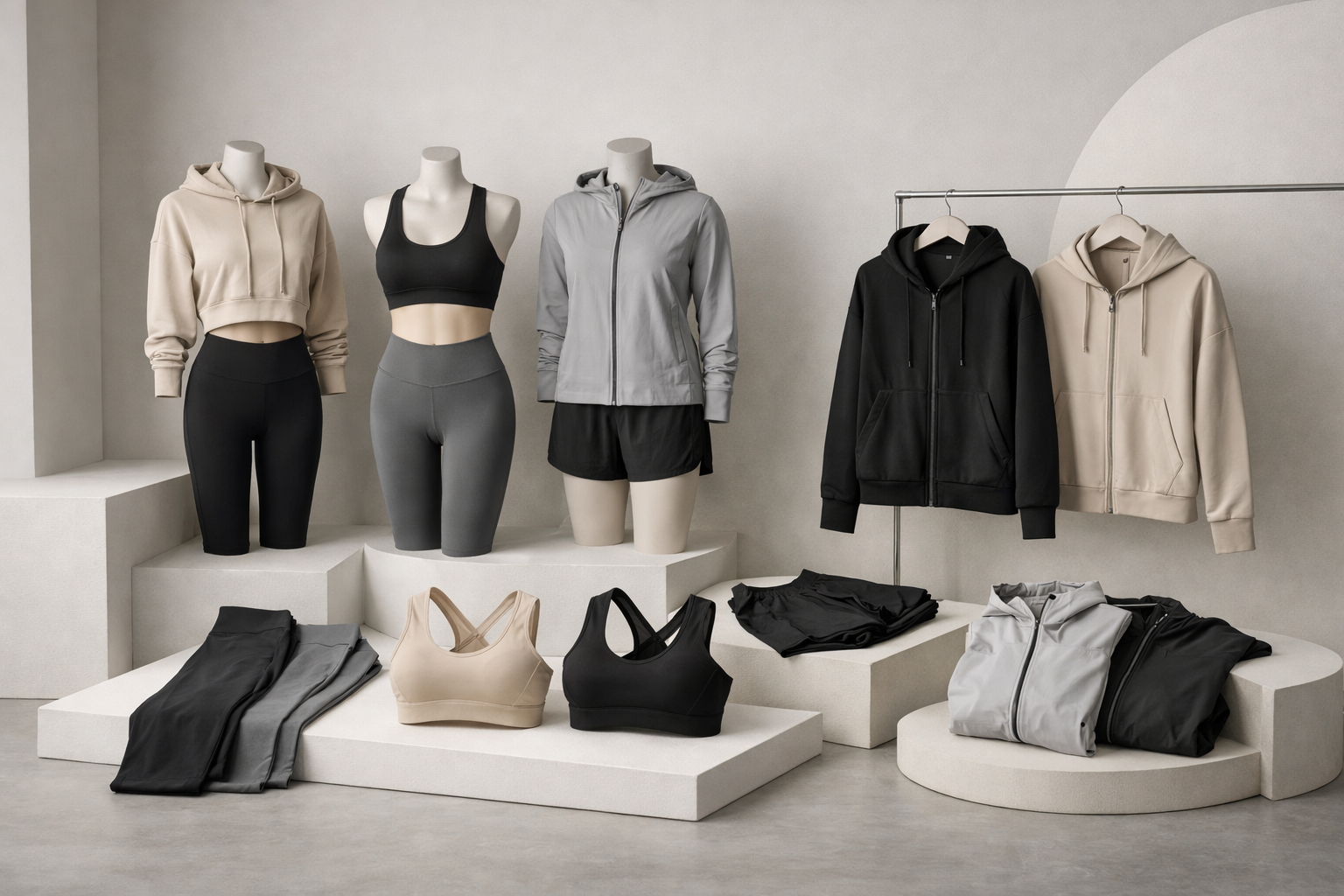
What Makes a Fabric Suitable for Sportswear Performance?
Not all fabrics are suitable for activewear. High-performance sportswear requires materials that can support movement, regulate temperature, and withstand repeated use.
Key performance factors
Breathability allows airflow to keep the body cool. Moisture-wicking helps pull sweat away from the skin. Stretch ensures flexibility during movement, while durability guarantees long-term use.
How fabric impacts performance
Poor fabric choices can lead to discomfort, overheating, or restricted movement. The right fabric improves endurance, reduces irritation, and enhances overall performance.
Ohsure insight
At Ohsure, fabric selection always starts with the product’s use scenario—ensuring materials match the performance demands of each garment.
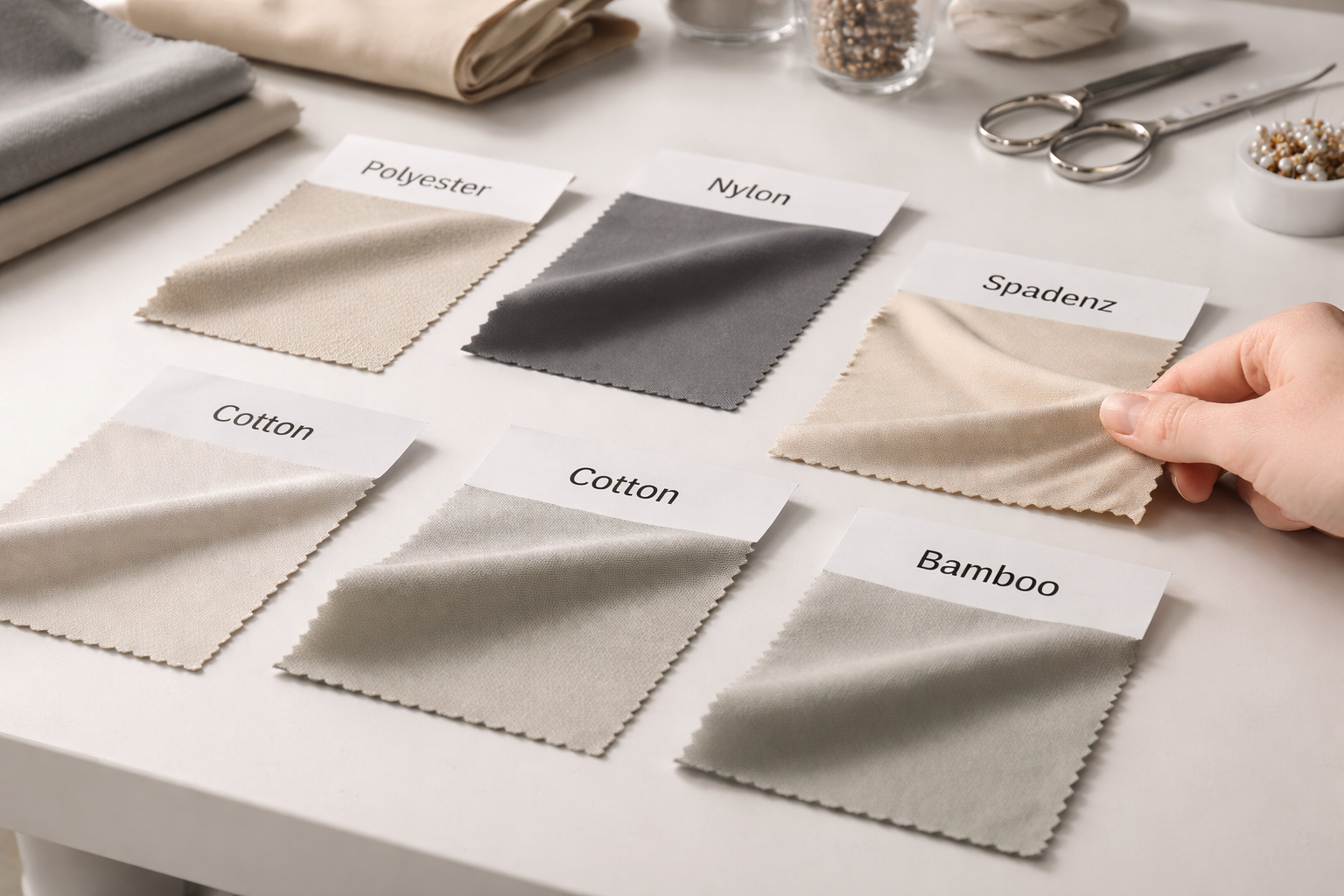
Which Fabric Types Are Most Commonly Used in Sportswear?
Sportswear fabrics generally fall into three categories: synthetic, natural, and blended.
Synthetic fabrics
Polyester is lightweight, moisture-wicking, and cost-effective. Nylon offers excellent strength and smooth texture. Spandex (elastane) provides essential stretch.
Natural fabrics
Cotton is soft and breathable but absorbs moisture. Bamboo is eco-friendly, soft, and naturally antibacterial.
Blended fabrics
Blends like polyester + spandex combine multiple benefits, offering better stretch, durability, and comfort.
Ohsure recommendation
Most modern sportswear uses blended fabrics to achieve optimal performance and comfort.
How Do Different Fabrics Compare in Performance?
Choosing the right fabric often comes down to comparing performance metrics:
Fabric Type | Moisture-Wicking | Stretch | Durability | Comfort | Cost Level | Best Use |
Polyester | High | Medium | High | Medium | Low | Running, gym wear |
Nylon | High | High | Very High | High | Medium | Leggings, activewear |
Spandex | Low | Very High | Medium | High | Medium | Compression wear |
Cotton | Low | Low | Medium | High | Low | Casual sportswear |
Bamboo | Medium | Low | Medium | Very High | Medium | Yoga, eco wear |
Blends | High | High | High | High | Medium | All-purpose sportswear |
In most cases, polyester or nylon blended with spandex delivers the best balance of performance and comfort. | ||||||
How Important Is Moisture-Wicking and Breathability in Sportswear?
Moisture management plays a crucial role in athletic comfort.
How moisture-wicking works
These fabrics move sweat from the skin to the outer surface, allowing it to evaporate quickly.
Breathability vs ventilation
Breathability refers to airflow through the fabric, while ventilation involves design elements like mesh panels.
Best fabric choices
Polyester and nylon blends are widely used for their excellent sweat management properties.
Ohsure experience
For high-intensity sportswear, Ohsure often recommends quick-dry polyester blends.
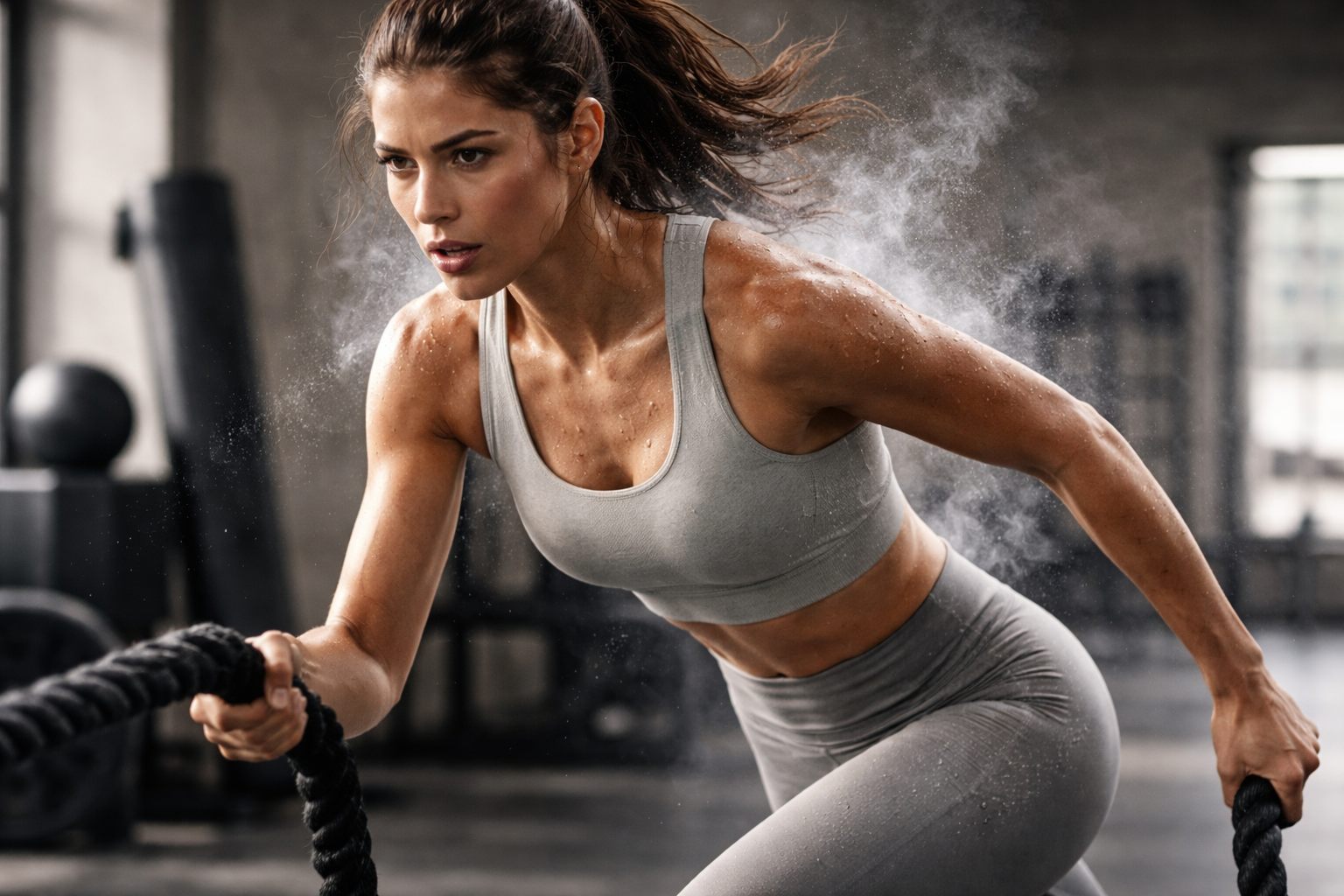
What Role Does Stretch and Flexibility Play in Activewear?
Flexibility is essential for comfort and performance.
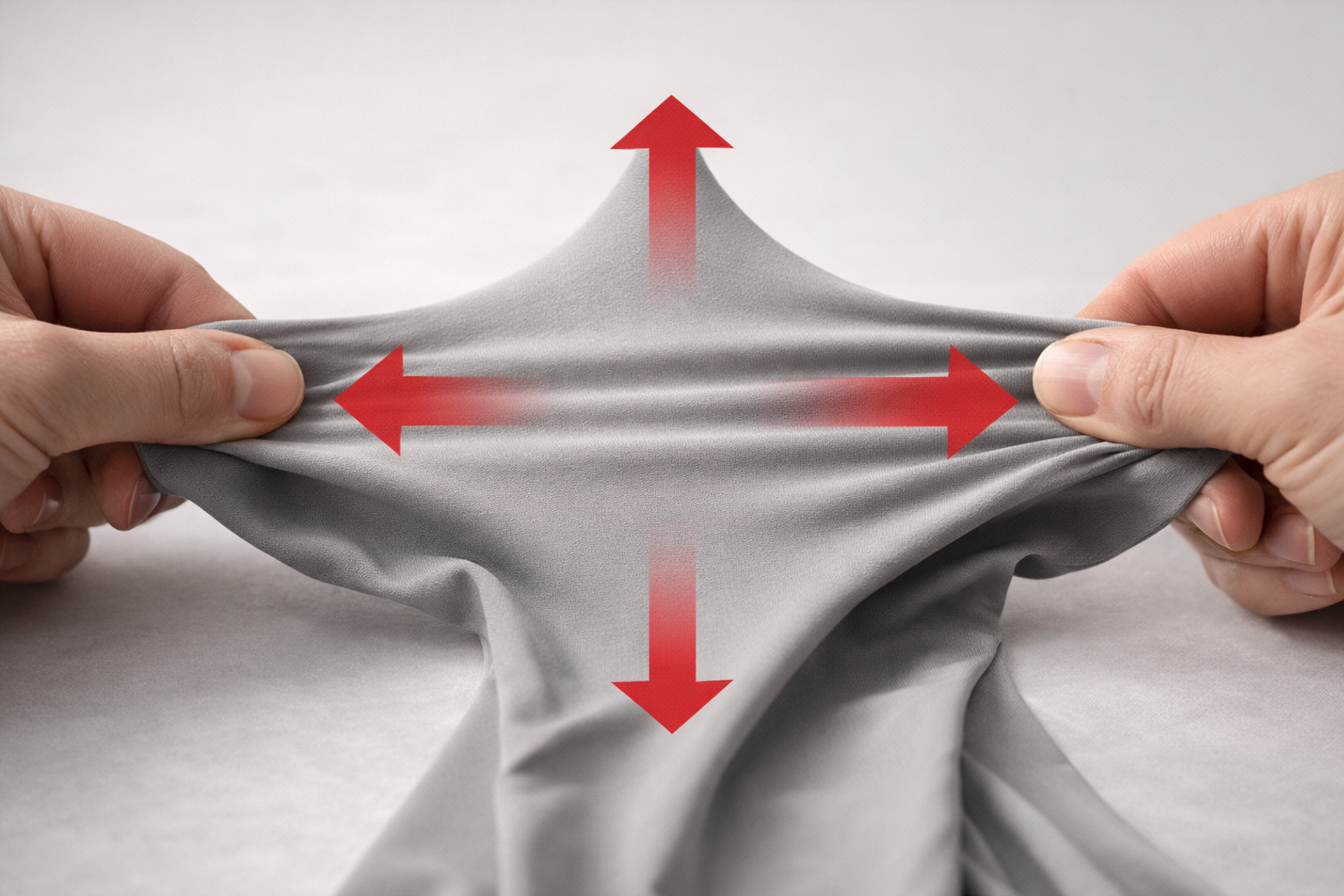
2-way vs 4-way stretch
2-way stretch fabrics expand in one direction, while 4-way stretch fabrics allow full mobility in all directions.
Why spandex matters
Even a small percentage of spandex significantly improves fit, flexibility, and comfort.
Best applications
Yoga wear requires high stretch, gym wear benefits from compression, and running apparel needs lightweight flexibility.
How Do You Choose the Right Fabric for Different Sports?
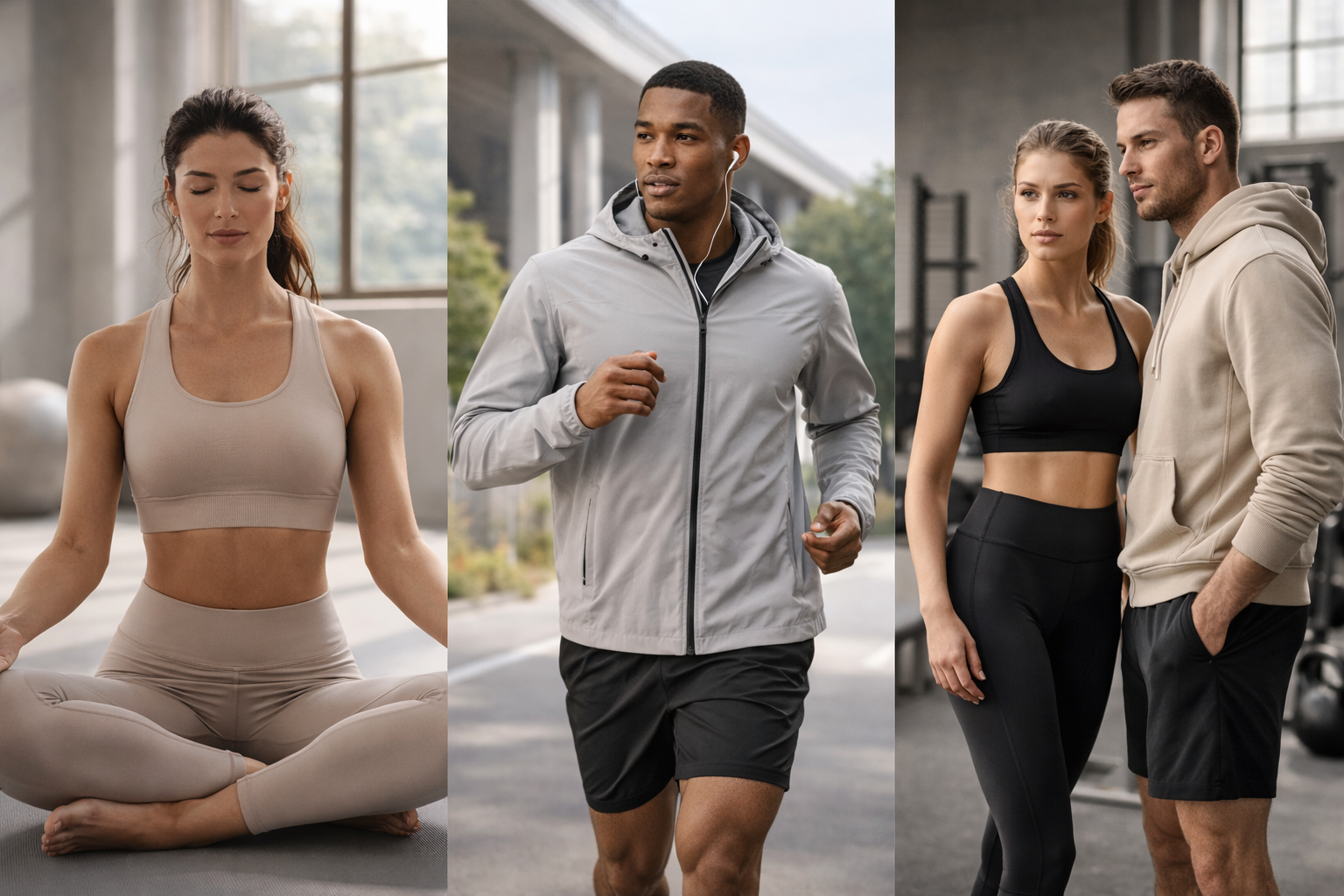
Different activities demand different fabric properties.
Running and training
Lightweight, breathable, and moisture-wicking fabrics are essential.
Yoga and flexibility sports
Soft, skin-friendly, high-stretch fabrics are preferred.
Outdoor sports
Durable, weather-resistant, and UV-protective fabrics perform best.
Athleisure
Focus on comfort, style, and moderate performance.
Ohsure approach
We help brands match fabrics to their target market and product positioning.
What Are the Differences Between Natural and Synthetic Fabrics?
Both fabric types have advantages depending on usage.
Synthetic fabrics
Offer better performance, faster drying, and higher durability.
Natural fabrics
Provide superior comfort and are often more eco-friendly.
Blended fabrics
Combine the strengths of both, making them ideal for most sportswear.
How Does Fabric Weight (GSM) Affect Sportswear Performance?
Fabric weight directly impacts comfort and function.
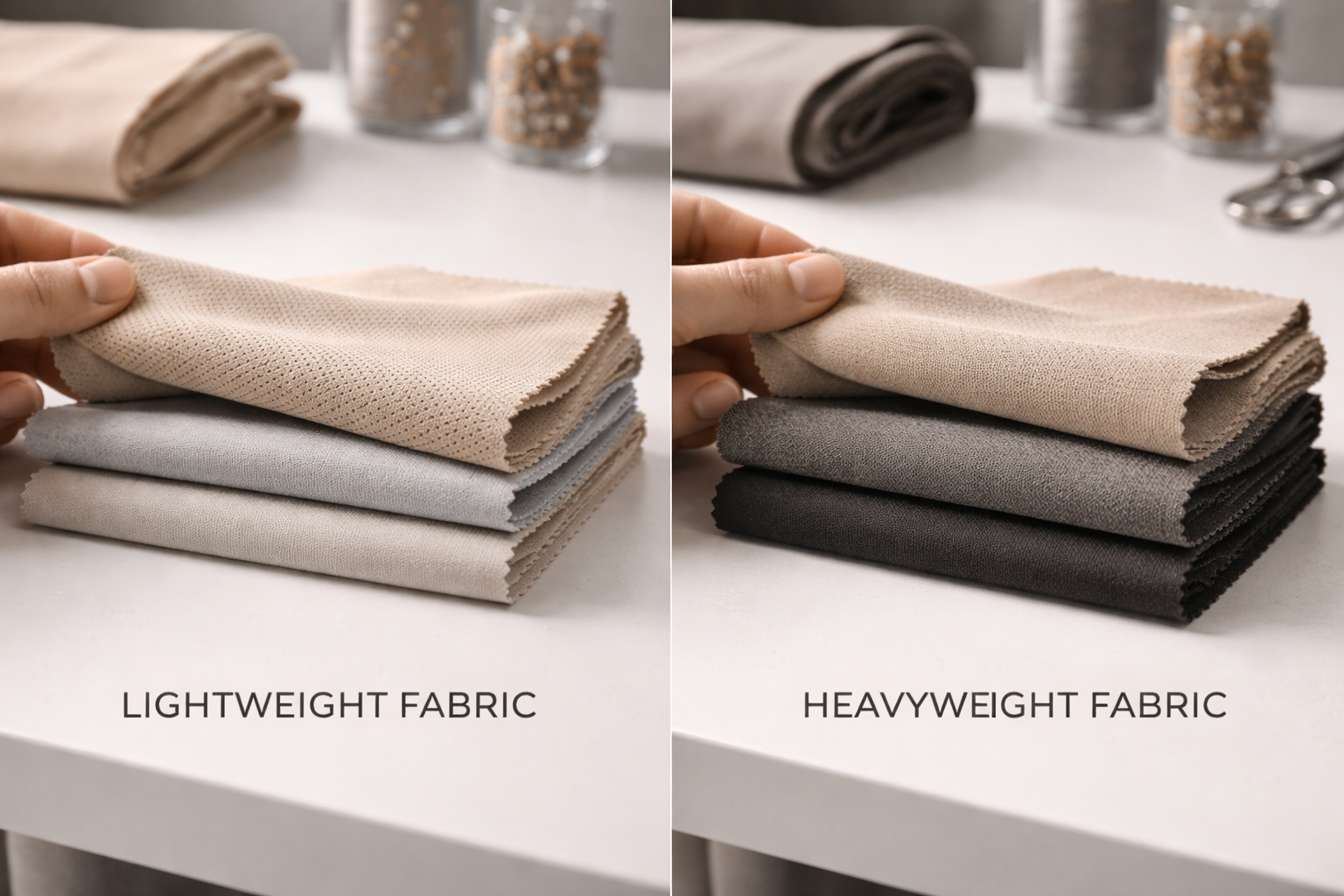
Lightweight fabrics
Ideal for summer and high-intensity activities due to better breathability.
Heavyweight fabrics
Provide durability and warmth, suitable for colder conditions.
Recommended GSM ranges
120–180 GSM works for lightweight gear, 180–250 GSM for standard activewear, and 250+ GSM for premium or winter products.
Ohsure insight
We guide clients in selecting the right GSM based on climate and usage.
Are Sustainable Fabrics Important in Modern Sportswear?
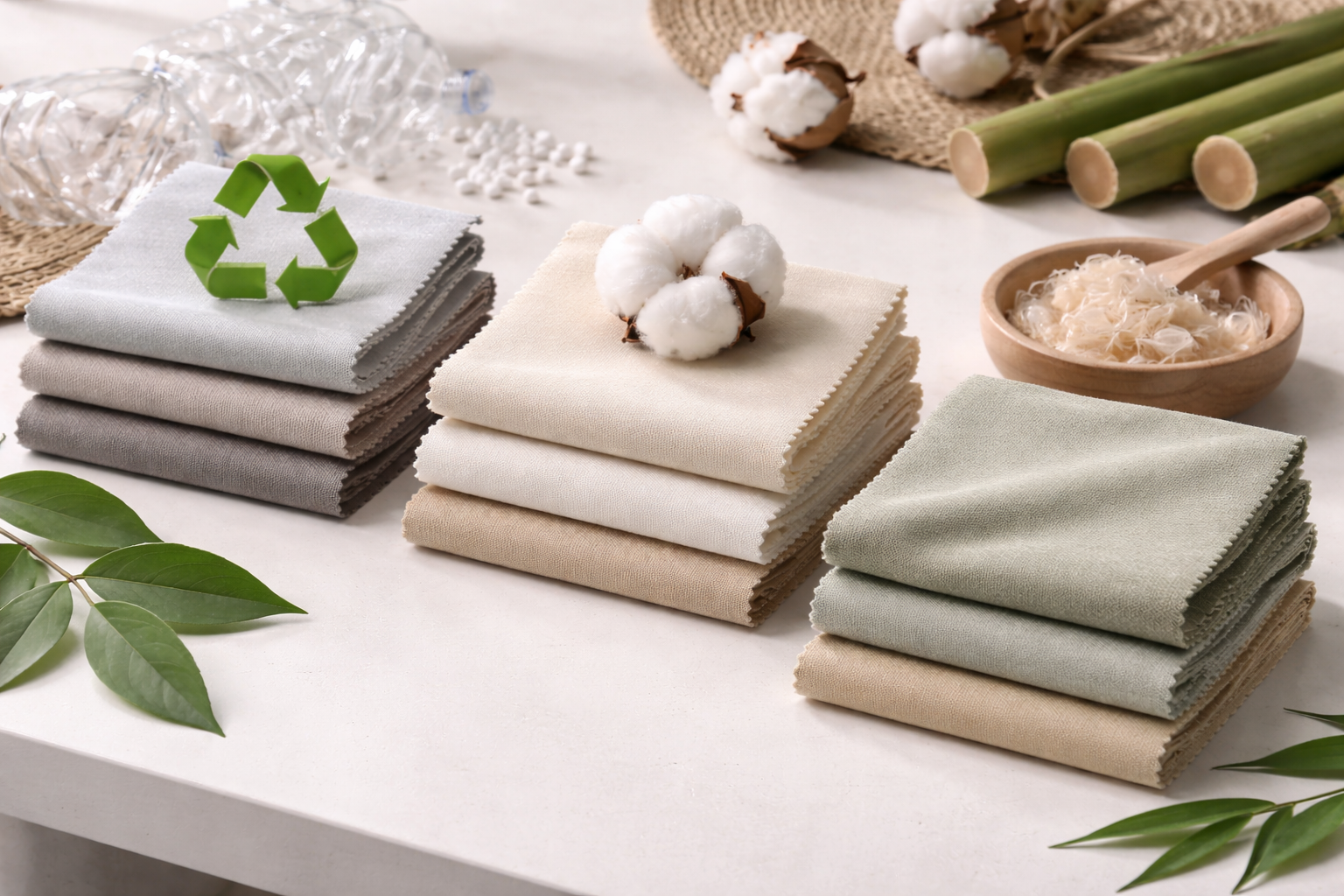
Sustainability is becoming a key factor in purchasing decisions.
Popular eco-friendly options
Recycled polyester, organic cotton, and bamboo fabrics are widely used.
Market trend
Consumers increasingly prefer environmentally responsible products.
Ohsure commitment
We support sustainable sourcing and help brands develop eco-friendly collections.
How Can You Ensure Fabric Quality When Working with a Manufacturer?
Quality control is essential for consistent performance.
Fabric testing
Includes shrinkage, colorfastness, and stretch recovery tests.
Sample approval
Always confirm samples before mass production.
Bulk consistency
Ensure production matches approved samples.
Ohsure quality system
We implement fabric inspection, in-line production checks, and final quality control before shipment.
What Fabric Is Best for Your Sportswear Brand or Collection?
There is no universal answer, but a clear strategy helps.
Key questions
What is the product use? What is the price range? What performance level is required?
Balancing factors
The best fabric balances performance, comfort, cost, and brand positioning.
Final recommendation
Working with an experienced manufacturer like Ohsure ensures your fabric choices align with your brand goals.
Conclusion
Choosing the right sportswear fabric is essential for building a successful product line. By understanding fabric performance, selecting the right materials, and partnering with a reliable manufacturer like Ohsure, brands can create sportswear that delivers both comfort and high performance.