
How to Prevent Color Differences Between Samples and Bulk Orders
QUALITY CONTROL / COLOR APPROVAL
Keep one approved color reference from sampling to shipment
Prevent sample-to-bulk color differences by approving a physical reference on the intended fabric, agreeing viewing and measurement conditions, and checking production lots before cutting. Keep shade groups traceable through sewing, compare components in the finished garment, and document any deviation and buyer approval before affected goods are released.
1. Define which sample controls the order
A fit sample, sales sample and approved color standard can serve different purposes. A sample made from available stock fabric may establish construction without authorizing its shade for bulk production. Write down exactly what each approval covers and identify the reference that controls the final color decision.
Use a labeled physical master with a unique ID, approval date, material description and approved face. Keep protected working references at the brand, factory and dye house, with a procedure for checking that they still agree. Replace soiled, faded or damaged references through a controlled approval, rather than silently changing the target.
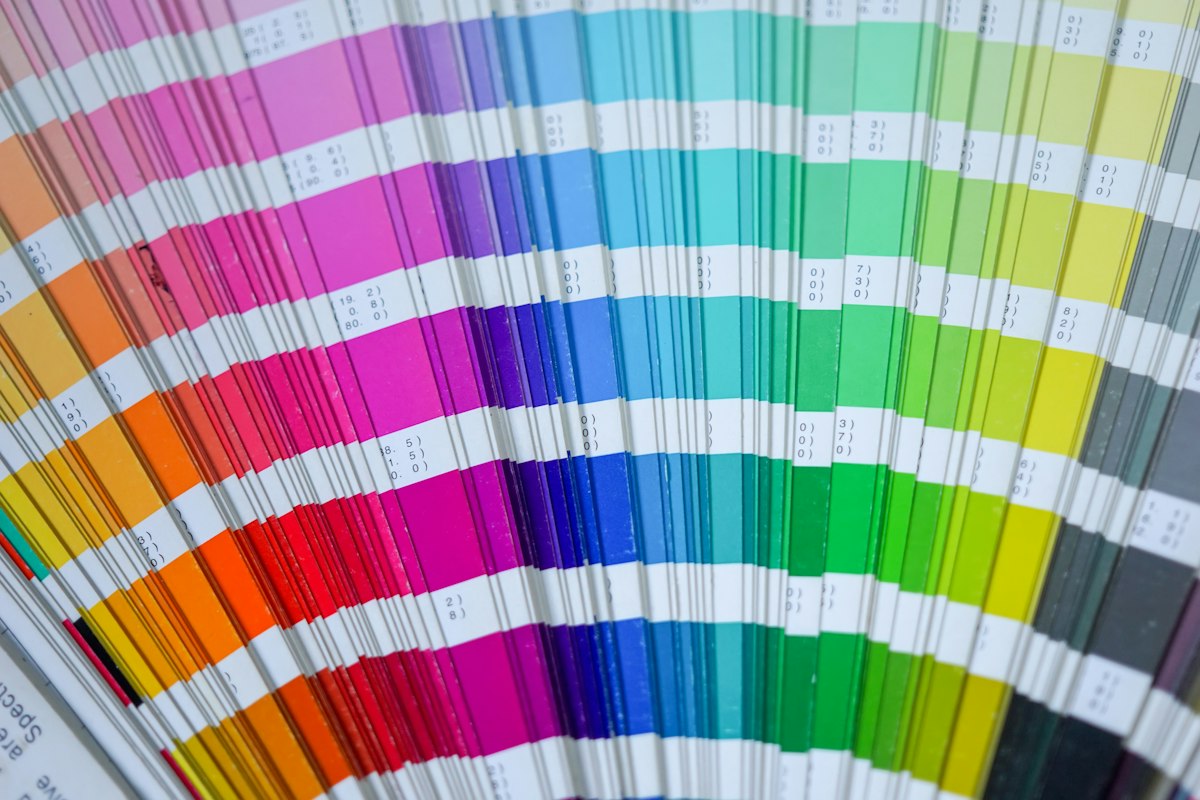
A color name or code helps communicate intent but does not fully specify appearance on every material. A smooth nylon knit, textured polyester panel and elastic trim can look different even when assigned the same nominal color. Phone photographs and screen previews are useful for discussing defects; they are not dependable substitutes for an agreed physical evaluation.
2. Approve lab dips on representative material
A lab dip is a small dyed trial used to evaluate a proposed shade. Ask for it on the intended fiber blend and a representative construction, with the relevant finish. A successful trial on a substitute substrate should not automatically release a different bulk fabric.
Identify every submitted option and retain the approved one. State whether approval is unconditional or subject to a named change. Comments such as “slightly less blue” should be attached to a specific submission and followed by a new identifiable trial; otherwise different teams may act on different targets.
The production route also matters. Request a first-bulk shade submission after the relevant dyeing and finishing stages, before committing the affected fabric to cutting. A laboratory approval establishes a target; it does not demonstrate that every production batch has reproduced it. For prints, approve the strike-off, substrate and relevant production settings separately.
3. Write a usable color acceptance specification
| Decision | Agree before production | Record to retain |
|---|---|---|
| Reference | Master ID, fabric, finish and approved face | Signed approval and protected swatch |
| Visual review | Primary and secondary light sources, presentation and observer procedure | Light-source settings and visual decision |
| Instrumental review | Instrument setup, formula, parameters and tolerance | Raw readings, settings and reference ID |
| Component matching | Body, mesh, thread, elastic, zip and lining requirements | Assembly approval under agreed lighting |
| Coverage | Dye lots, rolls, roll positions and finished-garment checks | Sampling map and traceable sample IDs |
| Exceptions | Who may approve a deviation and for which quantity | Written concession and affected lot IDs |
Specify an agreed visual assessment procedure. AATCC EP9-2025 addresses visual assessment of textile color difference. Obtain the full procedure when using it; this checklist does not reproduce its operating requirements.
4. Check appearance under the intended lighting
Metamerism can make two materials appear to match under one light source and differ under another. Select lighting relevant to the product and its selling environment, and state which source has priority when decisions conflict. A daylight evaluation alone may not resolve a mismatch that becomes visible under retail or indoor lighting.
Present reference and production material consistently: same face, orientation, backing and comparable surface condition. Avoid uncontrolled room light contaminating a viewing booth. Follow the selected procedure for observer preparation, viewing arrangement and equipment maintenance. Do not decide a close shade match by holding one swatch near a window and the other under a desk lamp.
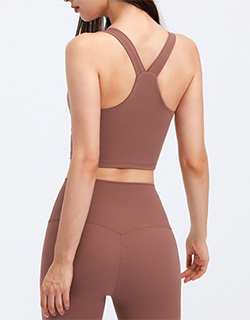
Review mixed-material assemblies together. A bra and legging sold as a set, or a waistband beside a body panel, may reveal a mismatch that is difficult to notice when pieces are reviewed separately. If texture or sheen prevents an exact appearance match, agree the acceptable relationship on an actual assembly.
5. Use color measurements without treating one number as the whole decision
Instrumental data can support repeatable decisions, but only when the comparison uses a defined method. Record instrument identity and verification status, measurement geometry, aperture, specular and UV settings where applicable, illuminant, observer, sample preparation, backing, orientation and repeat readings. The laboratory or color specialist should choose settings appropriate to the material.
State the color-difference formula and its parameters. CIELAB ΔE*ab, CMC and CIEDE2000 values are not interchangeable. A requirement that says only “Delta E below 1” leaves important details unresolved. There is no single acceptance limit that this guide can assign to every activewear fabric, color and component.
Illustrative decision example
Suppose an order specifies a particular formula and a limit of 1.0. A result of 0.8 meets that numerical requirement under the recorded setup. It still needs the agreed visual and component checks. A result calculated with another formula cannot be judged against that limit without an agreed conversion of the specification. These figures are teaching examples, not recommended limits or factory results.
For practical background on consistent preparation and measurement conditions, see X-Rite’s measurement guidance. Retain individual readings so that an average does not hide local shade variation.
6. Control shade variation before cutting
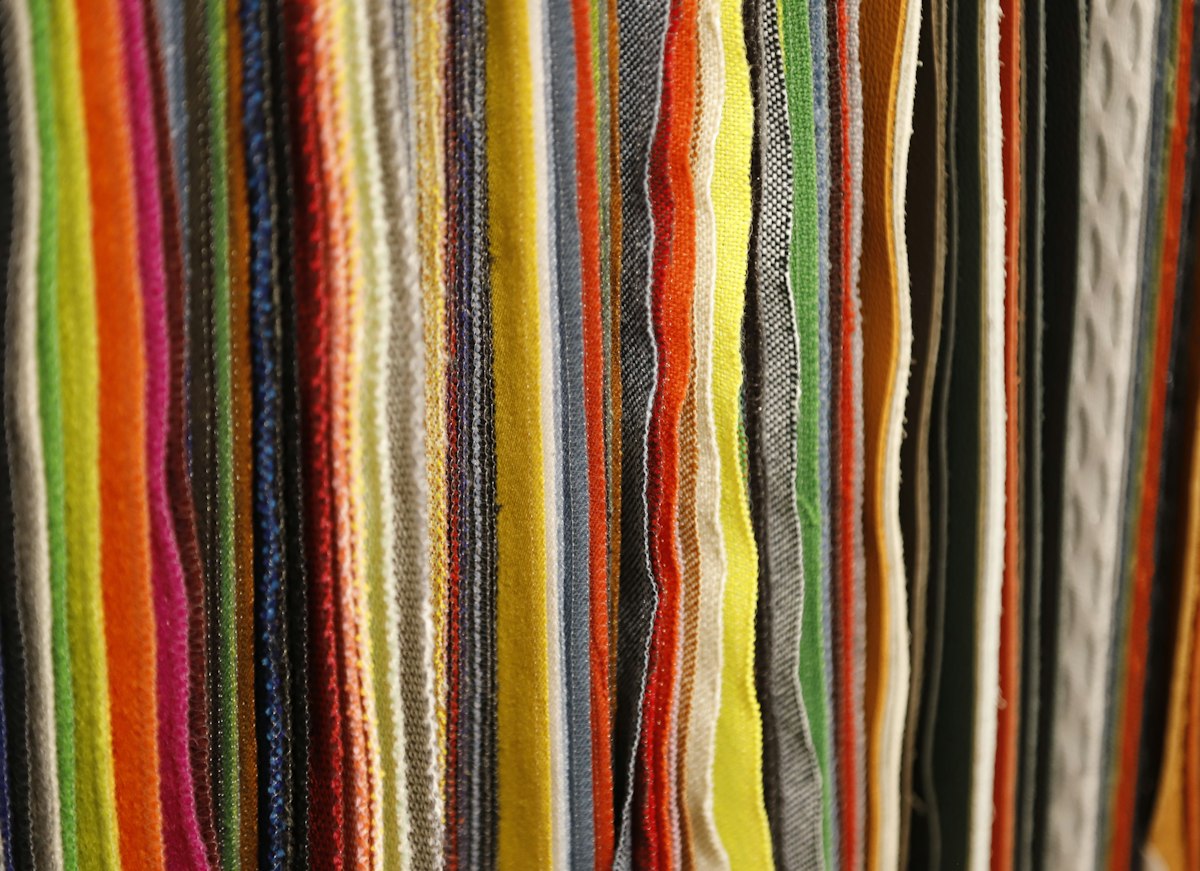
Ask the supplier to identify dye lots and rolls and to document shade checks at agreed positions. Coverage should address differences between rolls, across the width and along the roll where relevant. A small swatch from one roll cannot demonstrate uniformity throughout a multi-roll order.
Where acceptable fabric is sorted into shade groups, preserve the group identity in storage, laying and cutting. Shade sorting is a production control, not permission to accept material outside the buyer’s limits. Agree whether different approved shade groups may appear in one shipment, and whether matching sets must stay within the same group.
Keep the panels of one garment together through bundle handling and sewing. Record replacements: a replacement sleeve or waistband from another roll can create a visible mismatch after the original cutting checks passed. Confirm directional placement for fabrics whose pile, texture or sheen changes appearance with orientation.
7. Recheck finished garments and distinguish colorfastness
Review finished garments after the agreed finishing and recovery state. Heat, washing, printing or other processing may affect appearance, so a raw-fabric release does not automatically cover every later operation. Compare the body, seams, panels and trims under the same agreed evaluation conditions.
Initial shade matching and colorfastness answer different questions. Matching compares production color with the approved target. Colorfastness assesses change or staining under specified exposure, such as washing, rubbing or perspiration. Passing one does not establish the other. Select the relevant test methods, editions, treatments and acceptance levels for the intended product, then keep the reports with the order.
For final inspection, define the lot, sampling scheme, inspection level, defect categories and acceptance rules before seeing the results. AQL does not set a color tolerance and does not guarantee every garment matches. Targeted checks on suspect rolls or matching sets should be identified separately from the formal lot-acceptance sample.
8. Contain defects and record a controlled disposition
| Observed issue | Investigation route | Release evidence |
|---|---|---|
| Whole lot differs from approved sample | Wrong reference, material or process revision | Confirmed target and re-evaluation of affected lot |
| Body and mesh diverge under indoor light | Different spectral behavior or component approval conditions | Assembly review under all required light sources |
| Left and right panels differ | Mixed roll groups, orientation or replacement panels | Traceable matching panels and finished review |
| Shade changes along a roll | Within-roll process variation | Mapped affected length and segregation record |
| Color changes after finishing | Finishing conditions and material response | Controlled trial and required performance retests |
These are possible causes to investigate, not automatic diagnoses. Hold the affected quantity, establish the last accepted checkpoint, and confirm the measurement or viewing method before changing production. Rework may affect hand feel, stretch, dimensions or colorfastness; verify the relevant properties before release.
If a buyer accepts a deviation, record the exact reference, lot, quantity, intended use and authorized approver. Do not replace the original master with a rejected production sample to make later goods appear compliant. Keep the exception separate from the normal specification.
9. Prepare the review package for Ohsure
For an Ohsure sampling discussion, provide the style and colorway list, target fabric and finish, physical color reference, matching-set requirements, component list and intended care conditions. Ask the team to confirm which color checks can be performed, which require an external laboratory, and who signs each approval for the specific order.
Request lab-dip IDs, first-bulk approvals, roll/shade maps, component review records and final inspection results. This proposed buyer workflow does not claim that a particular instrument, test facility or order result has been verified at Ohsure.
Use the checklist and individual inspection record fields below to agree the decision rules and log individual samples. Complete all method and acceptance fields before inspection; an empty template is not evidence that a batch has passed.
Frequently asked questions
Can a Pantone code replace a fabric sample?
Use a code to identify the intended target, then agree an appropriate physical reference and substrate-specific approval. Different fibers, finishes and textures can produce different appearances.
Is a small color difference always acceptable?
Acceptance depends on the agreed method, limit, lighting and visual use. A small numerical difference does not automatically approve a visible mismatch between adjacent panels.
Why did the sample match but the bulk order fail?
Check whether both used the same material, finish and reference, and whether production lots were reviewed before cutting. A lab dip does not validate every later batch.
Should every roll be checked?
Agree roll coverage and positions according to the order requirements and risk. If unchecked rolls could enter a matching set, explicitly address that risk instead of relying on one submission.
Can photographs be used to approve color?
Photos help identify location and obvious defects, but lighting, camera processing and displays affect color. Use the agreed physical or controlled instrumental process for acceptance.
What happens when the visual result and instrument disagree?
Check the reference, settings, specimen preparation and viewing conditions. Apply the agreed decision hierarchy, involve the authorized color reviewer and record the disposition before release.
Related reading and working templates
- Pre-production sample approval
- Incoming fabric inspection
- Inline and final inspection
- Fabric testing and colorfastness
Color approval checklist
Use this checklist to record the agreed requirements and report references before inspection. Print this page or copy the fields into your order records.
| Control / required evidence | Entry / report reference |
|---|---|
| Order / style / colorway / matching-set requirements | ________________________ |
| Fabric blend / construction / finish / component list | ________________________ |
| Physical master ID / approved face / date / custodian | ________________________ |
| Lab dip IDs / approval scope / signed decision | ________________________ |
| First-bulk submission / dye lot / approval before cutting | ________________________ |
| Visual procedure / primary and secondary light sources | ________________________ |
| Instrument / verification / geometry / aperture / UV / specular settings | ________________________ |
| Illuminant / observer / formula / parameters / acceptance limits | ________________________ |
| Sample preparation / backing / orientation / repeat readings | ________________________ |
| Roll coverage / width and length positions / sample map | ________________________ |
| Shade groups / cutting bundles / replacement panel records | ________________________ |
| Finished assembly / component review / post-finishing checks | ________________________ |
| Colorfastness methods / editions / treatments / limits / reports | ________________________ |
| Final lot / sampling scheme / inspection level / AQL / Ac-Re | ________________________ |
| Held quantity / defect evidence / cause / corrective trial | ________________________ |
| Retest results / concession scope / authorized release / date | ________________________ |
Individual shade inspection record
Record sample ID, order/style, colorway, master ID, dye lot, roll ID, position across/along the roll, component/stage, shade group, visual procedure and lights, visual result, instrument/settings reference, formula and parameters, tolerance, individual readings, report reference, disposition and held quantity, corrective action, retest reference, and approver/date.
References checked 15 October 2026. FAQ answers are editorial procurement guidance, not attributed customer inquiries. Apply the complete selected procedures and the agreed order specification.