
How Activewear Seams Are Tested for Strength and Stretch
QUALITY CONTROL / TESTING GUIDE
Strong seams must also move with the garment
Activewear seams are evaluated through controlled strength tests, repeated extension checks and garment movement trials. A useful test plan measures how the seam carries load, stretches and recovers, both before and after agreed washing. The method and acceptance limits must match the fabric construction, seam location and intended use.
1. Separate strength, stretch and recovery
A seam can withstand a high breaking force yet pop when a wearer pulls on a tight waistband. It can also stretch easily but remain wavy after release. These are different performance questions and need separate records.
| Property | Question answered | Useful record |
|---|---|---|
| Seam strength | How much force can the assembly carry before failure? | Maximum force in newtons, loading direction and failure mode |
| Seam extensibility | Can the seam accommodate the required garment extension? | Gauge length, target extension and condition at that extension |
| Repeated extension | Does damage develop after repeated loading? | Cycle count, rate, load or extension target and first observed damage |
| Recovery | Does the seam return after unloading? | Residual length change after a specified recovery time |
| Wear compatibility | Does the finished garment remain comfortable and intact? | Fit size, movement sequence, opening, chafing and stitch observations |
Assess the full assembly: fabric, thread, stitch type, seam construction and sewing settings. A thread specification alone does not establish garment performance.
2. Select a method that fits the fabric
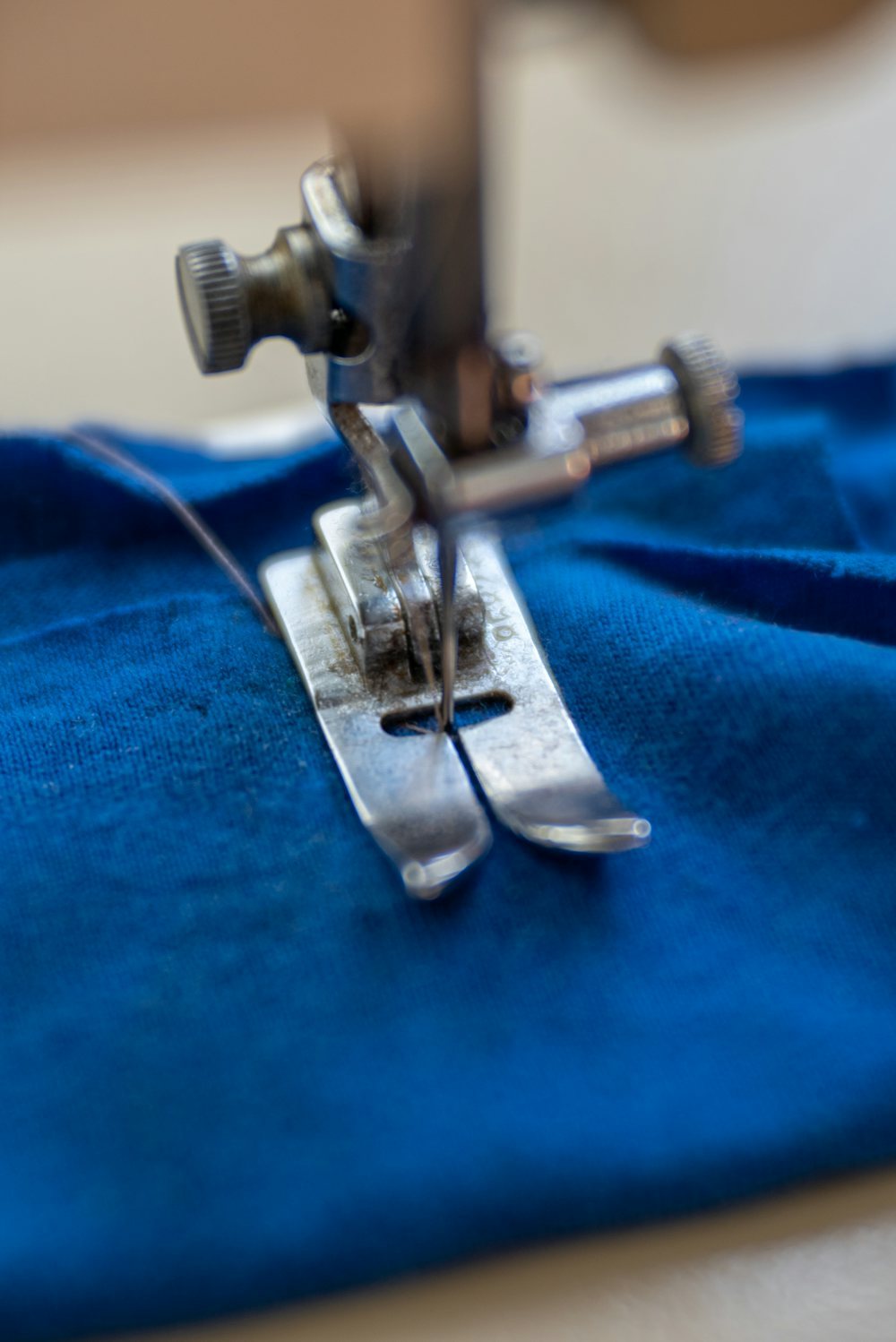
ISO 13935-1:2014 describes a strip method for measuring maximum force to seam rupture under loading perpendicular to the seam. Its main application is woven fabrics, including stretch wovens. ISO 13935-2:2026 describes the grab method and allows applicability to some fabrics produced by other techniques. Laboratory confirmation is necessary for the actual material and specimen.
ASTM D1683/D1683M-22 addresses failure in sewn seams of woven fabrics. Do not automatically specify it for every knitted legging or sports bra. Ask the laboratory to confirm scope, specimen preparation, gripping and whether any deviations would be needed.
For knitted activewear
Agree on a suitable laboratory procedure for the knitted seam assembly, then add a documented extension-and-recovery protocol and finished-garment assessment. Identify modified or in-house procedures explicitly. A modified test should not be described as full compliance with an unmodified standard.
Request the complete method designation and edition on the report. Strip, grab and multidirectional loading results are not interchangeable. Follow the full applicable method for dimensions, conditioning, speed, replicates and calculations; this guide does not reproduce a laboratory standard.
3. Build a traceable specimen set
- Map the seam locations. Include high-demand areas such as the crotch junction, inseam, waistband join, underband and strap attachment where applicable.
- Record construction. Identify fabric lot, color, composition, weight, orientation, thread, needle, stitch type, stitch density and seam allowance.
- Match production. Use production-representative materials and settings. If laboratory seams replace garment-cut specimens, record that distinction.
- Define the test states. Separate unwashed specimens from specimens exposed to the agreed wash-and-dry sequence. Do not reuse destructively tested pieces.
- Preserve traceability. Assign specimen IDs and retain photographs, the approved sample revision and raw results.
Choose quantities using the applicable method and the agreed validation plan. Include relevant colors, directions and construction variants rather than relying on one attractive sample. Compare alternatives under identical conditions.
4. Test strength and document how failure occurs
For a suitable tensile procedure, the laboratory mounts the specimen in the prescribed orientation, applies controlled loading and records the maximum force. The accompanying failure description matters: sewing thread may break, fabric may tear near needle holes, yarns may displace, or a grip may slip.
Grip slippage or a specimen preparation error can make a result unsuitable for the intended comparison. The laboratory should apply the method's validity rules and document any excluded result and replacement specimen. Keep individual readings as well as the reported summary; an average can hide inconsistent assembly quality.
Set strength requirements in the buyer specification before testing. There is no single universal force requirement for all leggings, sports bras, sizes and fabrics. A destructive strength result also does not establish comfort or service life.
5. Check extension and recovery separately
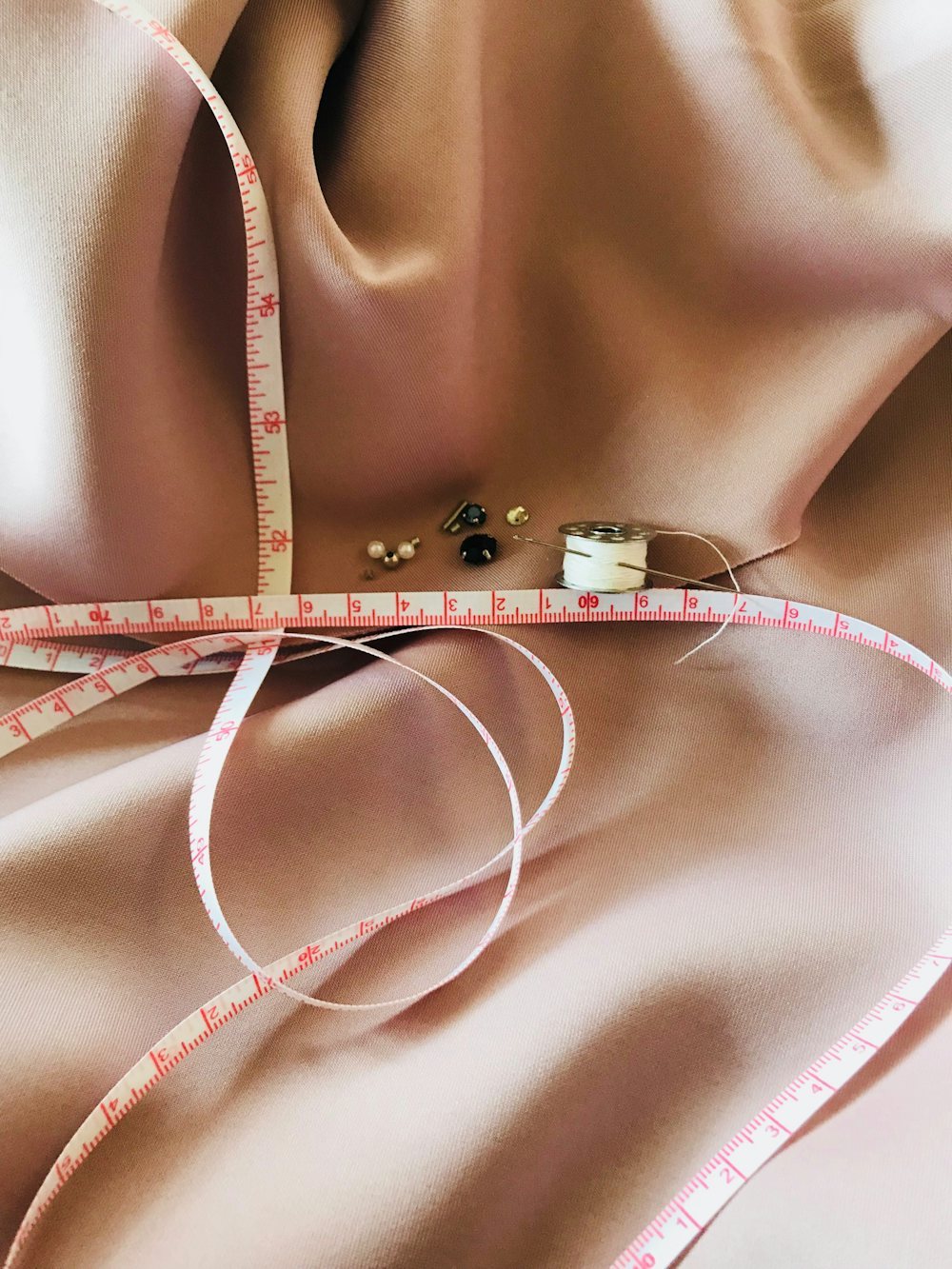
Define whether loading acts along or across the seam. For a buyer-agreed internal protocol, document the initial gauge length, preload if used, extension target, loading rate, dwell, number of cycles and recovery interval. Base the target on garment fit and movement demands, then confirm the setup with the laboratory.
Worked calculation — illustrative only
If a marked 100 mm gauge length is extended to 140 mm, extension is (140 − 100) / 100 × 100 = 40%. If the marks are 103 mm apart after the specified recovery period, residual growth is (103 − 100) / 100 × 100 = 3%.
These numbers explain the calculation. They are not Ohsure measurements, industry acceptance limits or recommended targets. State the recovery time with every residual-growth result.
Observe the seam at the target extension and after release. Record audible popping, broken or skipped stitches, opening, waviness and any progressive change during cycling. Repeat on separately prepared specimens after the agreed laundering sequence, with the same evaluation conditions.
A quick hand stretch can flag a problem during sewing, but unmeasured pulling cannot replace a controlled test report.
6. Translate defects into corrective trials
| Observed defect | Possible investigation | Verification after adjustment |
|---|---|---|
| Thread breaks before target extension | Thread suitability, stitch formation, tension and available thread in the seam | Repeat the agreed extension protocol and strength check |
| Fabric tears beside needle holes | Needle condition and selection, stitch density, material damage | Inspect new seams and retest the assembly |
| Seam opens under load | Seam allowance, construction, stitch formation and fabric structure | Measure opening under the defined condition; record failure mode |
| Waviness remains after release | Feeding, tension, component recovery and differential shrinkage | Compare recovery and appearance before and after washing |
| Skipped stitches or local unraveling | Needle/thread compatibility, machine setup and seam-end security | Inspect the repaired setup and repeat movement/extension checks |
These are investigation routes, not diagnoses. Change settings in a controlled trial, document the revision and retest. Increasing stitch density or thread size without checking the assembly may introduce a different problem.
7. Connect testing to sample approval and bulk inspection
For an Ohsure sampling discussion, provide the tech pack, size range, intended activity, reference fit, care instructions, seam map and buyer test requirements. Request agreement on the method, acceptance limits, responsible laboratory and reporting format before approving production. Confirm any claimed testing capability and obtain order-specific evidence.
After a construction change, determine which tests need repeating and update the approved sample. In bulk inspection, use the agreed defect definitions and sampling plan to check workmanship consistency. AQL-based lot inspection and seam performance validation answer different questions: an AQL label is neither a seam-strength threshold nor a guarantee that every garment will perform identically.
Keep the release decision linked to the actual lot, report IDs, deviations, corrective actions and authorized approver. Hold unresolved failures for review rather than treating a passing average as automatic shipment approval.
8. Reusable seam-test record
Use the companion checklist to capture a complete test brief and review record. The same fields can be copied into your quality system.
- Style, order, fabric lot, color, size and sample revision
- Seam location, orientation, thread, stitch, needle and machine settings
- Method/edition, laboratory, specimen count and conditioning
- Wash/dry method, cycle count and specimen state
- Strength requirement; extension, cycle and recovery requirements
- Individual results, failure modes, photos and report references
- Deviations, corrective action, retest and signed release decision
Frequently asked questions
Is flatlock always stronger than overlock?
No. Compare the actual assemblies in the intended fabric. Stitch labels alone do not establish strength, extension, comfort or durability.
Can a seam pass strength testing but fail during exercise?
Yes. Repeated extension, garment fit, local stress and laundering may expose behavior that a single destructive test does not measure.
What extension percentage should leggings seams pass?
Set it from the garment design, fit and intended movement, with laboratory input. Do not copy an arbitrary percentage from a different style or loading direction.
Should seams be tested after washing?
Include post-care evaluation when it is part of the intended-use validation plan. Agree on washing, drying and cycle count, and identify those conditions on the report.
Does a fabric stretch report cover the stitched garment?
No. The seam introduces thread, stitches, needle penetrations and component interactions. Test representative assemblies and assess finished-garment movement as well.
What should a supplier submit before approval?
Ask for a traceable construction specification, agreed test plan, raw and summary results, failure photographs and the disposition of any deviations. A certificate without sample and method details is insufficient for that review.