

Incoming Fabric Inspection Checklist for Activewear Production
Incoming materials · Activewear quality control
An incoming fabric inspection checklist should verify roll identity, dye lot, usable width, GSM, shade consistency, visible defects and the performance evidence required by the order. Record results against approved specifications, isolate nonconforming rolls and authorize release before cutting. A clean-looking fabric roll alone does not establish fitness for leggings, sports bras or training tops.
What This Checklist Covers
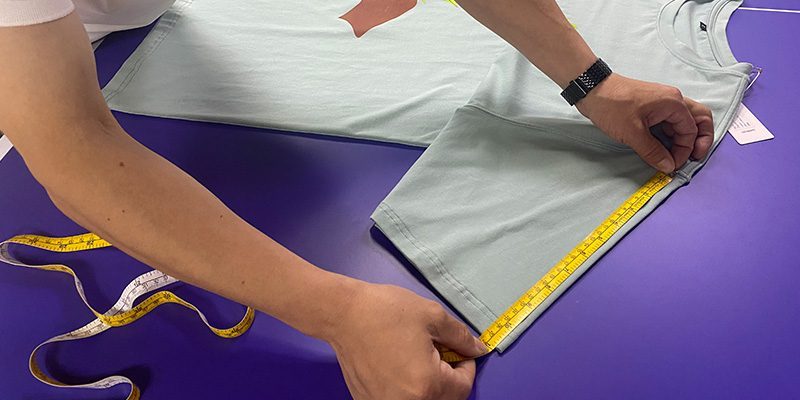
Use this checklist when bulk fabric arrives and before it enters the cutting plan. It covers receipt, roll identification, inspection, supporting test evidence and the release decision. It is intended for buyers, material inspectors and production teams working with activewear fabrics, including stretch knits.
Fabric development, pre-production garment approval and final shipment inspection remain separate decisions. A previously approved swatch cannot show the condition of every delivered roll. Likewise, accepting incoming fabric does not approve the fit, seams, print durability or final appearance of a finished garment.
For the complete sequence, use the activewear quality-control guide. This article provides the incoming-material detail that supports the Ohsure quality-control workflow.
Agree the Acceptance Rules Before the Delivery Arrives
The inspector needs a written basis for each decision. Agree the fabric specification, reference samples, inspection coverage, required tests and authority to release material before the rolls arrive. Enter a value or a clear acceptance description for each relevant characteristic. If a requirement is missing, obtain an authorized clarification before making that acceptance decision.
| Decision parameter | What the order should define | Why it matters |
|---|---|---|
| Material identity | Fabric code, construction, declared fiber blend, finish and approved reference ID. | Similar-looking fabrics can behave differently in production. |
| Width and GSM | Usable-width definition, measurement method, target and allowed variation. | Cutting yield and garment consistency depend on the agreed measurement basis. |
| Color approval | Reference, lighting, comparison locations and visual or instrument criteria. | A screen photograph is insufficient for a repeatable shade decision. |
| Visual grading | Method/version, point assignment option, inspected area and agreed acceptance limits. | A score is meaningful only with its method, units and acceptance rule. |
| Sampling and tests | Defined lot, selection method, coverage, sample identities and laboratory requirements. | A result must be traceable to the material it represents. |
| Release authority | Decision owner, quarantine location, exception process and cutting restrictions. | A production deadline must not silently become material approval. |
These are fields to agree for the order, not published Ohsure default tolerances. Keep any changes under a revision number so the supplier, inspector and cutting team use the same requirements.
The 20-Point Incoming Fabric Inspection Checklist
Complete the record by roll or by a clearly defined inspection lot, as appropriate. Use Pass, Hold, Fail or Not applicable with a written reason. A blank result means the check remains incomplete.
| # | Check | Inspection action | Evidence to retain |
|---|---|---|---|
| 01 | Purchase order and specification | Match fabric code, construction, composition declaration, finish and specification revision. | PO, approved specification and supplier document references. |
| 02 | Delivery and roll identities | Reconcile received roll count and declared quantities; retain supplier roll labels. | Supplier, receipt date, delivery note and unique roll IDs. |
| 03 | Dye-lot traceability | Separate lots and colors before inspection or storage. | Dye-lot number, color code and roll-to-lot register. |
| 04 | Packaging and transit condition | Check wet packaging, crushed rolls, contamination and visible damage. | Receiving photographs and affected roll IDs. |
| 05 | Approved reference | Use a controlled fabric swatch and approved color reference. | Reference ID, approval date and person who approved it. |
| 06 | Inspection coverage | Define which rolls and how much length are inspected, with selection rationale. | Lot size, selected rolls, inspected lengths and exclusions. |
| 07 | Relaxation and conditioning | Follow the agreed handling and applicable test method before measurement. | Start/end time and environmental conditions where required. |
| 08 | Usable width | Measure without stretching; distinguish full width from width available for cutting. | Measured locations, values, units and minimum usable width. |
| 09 | Mass per unit area (GSM) | Test identified specimens by the agreed method and option. | Specimen area, mass, individual GSM values and test report. |
| 10 | Shade within a roll | Compare agreed positions along and across the roll under defined lighting. | Swatch map, reference, lighting and visual/instrument readings. |
| 11 | Shade between rolls | Group acceptable shades and identify incompatible rolls before cutting. | Roll shade group, matching restrictions and approval. |
| 12 | Surface defect map | Locate holes, oil marks, yarn faults, streaks and other visible defects. | Defect type, size, position, photographs and scoring option. |
| 13 | Bow, skew and pattern alignment | Assess distortion against the agreed method and garment layout. | Method, measured values and cutting implications. |
| 14 | Stretch and residual growth | Check relevant directions using the specified load, cycles and recovery time. | Method/version, conditions, raw readings and limits. |
| 15 | Dimensional change | Apply the agreed wash/dry procedure and number of cycles. | Marked dimensions before/after care and report ID. |
| 16 | Colorfastness evidence | Review the required wash, rubbing and perspiration tests for intended use. | Method, conditions, ratings, color/lot and report date. |
| 17 | Pilling and abrasion evidence | Specify which tests apply and retain the exact endpoints and ratings. | Method, exposure/cycles, rating and relevant report. |
| 18 | End-use and claim checks | Assess opacity in the planned garment; request composition or claim evidence where needed. | Garment/stretch setup, laboratory evidence and approval scope. |
| 19 | Nonconformance and containment | Tag and isolate affected rolls; record the response and reinspection. | Issue ID, affected quantity, supplier response and closure. |
| 20 | Release to cutting | Confirm required results, shade groups, usable quantity and authorized decision. | Released roll list, restrictions, approver, date and record ID. |
Download the checklist and blank inspection records
The download includes the same 20 checks, a roll register, a test/sampling record and an exception-and-release form. Open the saved HTML in a browser to print or save it as PDF.
Keep Visual Grading, Sampling and Performance Testing Separate
Visual fabric grading
ASTM D5430-26 addresses visual inspection and grading of fabrics. Its public description notes that different point assignment options can produce different scores. State the agreed option and acceptance rule in the inspection instruction. A label such as “four-point inspection” is insufficient without the scoring details and the basis on which the buyer accepts material.
Record defect locations as well as totals. A concentration of defects in one area, a recurring streak or a shade issue may require separate handling even when the roll’s overall numerical score meets the agreed limit.
Sampling and AQL records
ISO 2859-1:2026 concerns acceptance sampling by attributes. If the order uses this approach, document the inspection unit, lot size, inspection level, sampling plan, applicable AQLs and acceptance/rejection numbers from the selected scheme. Retain the selected units and observed results.
Do not convert fabric penalty points into an AQL percentage. The sampling record and the fabric defect map answer different questions. AQL is not permission to ship a fixed percentage of defective material. Do not transplant a finished-garment sampling plan to fabric rolls without defining how the inspection units and defects will be counted.
Performance evidence
Visual inspection cannot establish recovery, wash stability or colorfastness. Link each required test to identified material, a stated method and the agreed criteria. Some checks may occur during fabric approval, with incoming inspection verifying whether those reports apply to the delivered material and whether additional testing is required.
Two Worked Records: GSM and Fabric Defect Density
GSM calculation
Mass per unit area equals specimen mass in grams divided by specimen area in square metres. ASTM D3776/D3776M-20(2025) provides measurement options with different sampling scopes. A small-swatch result should not automatically be treated as representative of the entire delivery.
Specimen area: 100 cm² = 0.01 m²
Specimen mass: 2.40 g
GSM = 2.40 ÷ 0.01 = 240 g/m²
Attach specimen identity, conditioning details and individual readings. This calculation demonstrates units; it is not an Ohsure test result or a recommended GSM target.
Area-normalized defect density
Where the agreed grading procedure uses points per 100 m², normalize the assigned points using the actual inspected length and the width basis required by that procedure. State whether the width is full or usable width. Keep the same definition for scoring and the acceptance limit.
Assigned points: 24
Inspected length: 100 m · Recorded grading width: 1.50 m
Inspected area = 100 × 1.50 = 150 m²
Points per 100 m² = 24 × 100 ÷ 150 = 16.0
This example assumes that points have already been assigned correctly. It does not specify a point assignment table or an acceptance threshold. Compare the result only with an agreed limit expressed on the same area basis; points per 100 m² and points per 100 yd² are different units.
Read the Defect Map Before Making the Cutting Plan
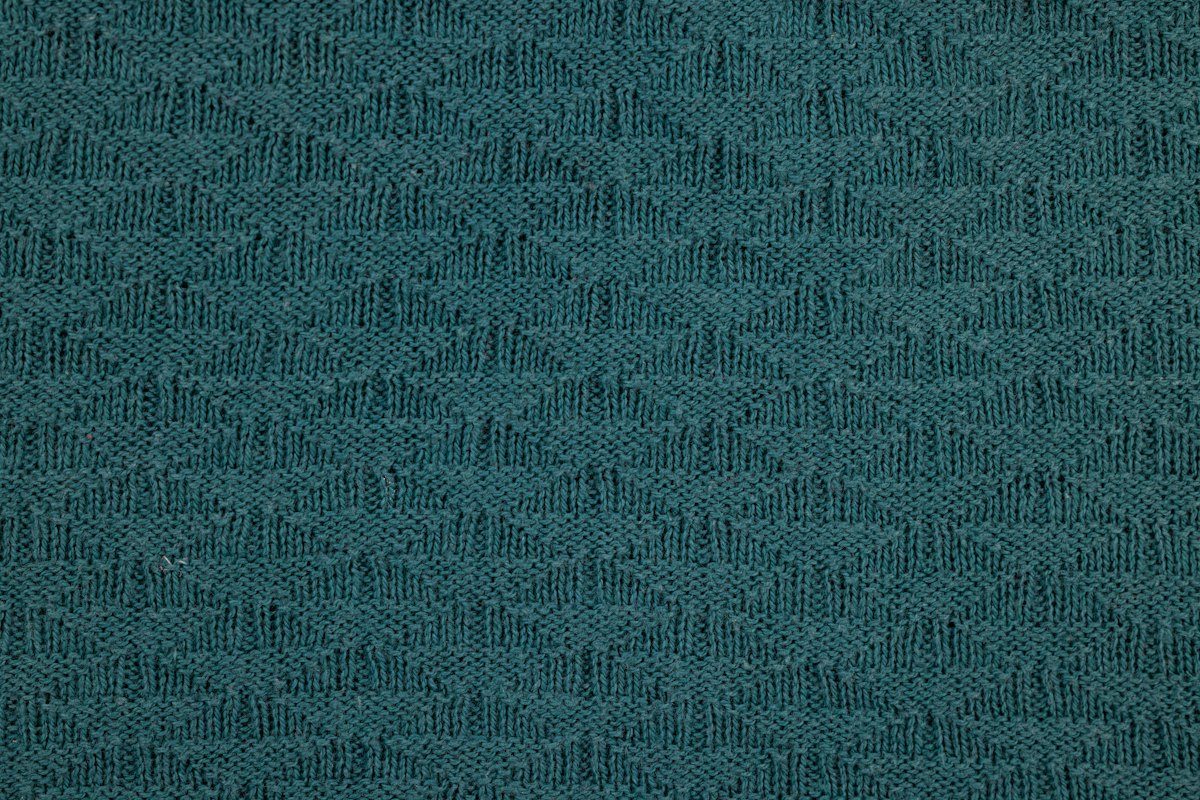
A useful map identifies the roll, distance from the start, position across the width, defect dimensions and supporting photograph. It should also show which side or face was inspected. A cutting supervisor can then understand the actual location and possible effect of the issue.
Do not treat all marks as equivalent. A localized stain, a continuous knitting line and edge-to-center shade variation can create different cutting risks. The examples below illustrate decisions to consider; they are not reported Ohsure incidents.
| Illustrative finding | Immediate action | Evidence needed before release |
|---|---|---|
| Oil mark at a recorded roll position | Identify and isolate the affected section; determine the extent. | Defect map, affected quantity and approved disposition; document reinspection after any treatment. |
| Recurring line along the roll | Hold the affected roll and check whether the fault continues. | Inspected coverage, photos and agreement on rejection or a restricted cutting plan. |
| Shade variation across width or between rolls | Separate affected material and prevent uncontrolled mixing. | Controlled shade comparison, shade-group allocation and approval of any restrictions. |
| Usable width below the order requirement | Hold the affected rolls for technical and commercial review. | Verified width readings and an approved marker/yield decision or replacement plan. |
| Recovery result outside the agreed limit | Keep the relevant material on hold and check the method and traceability. | Valid test evidence, investigation and authorized disposition before cutting. |
A concession must identify exactly what is accepted, by whom and for which use. It should not erase the original nonconformance record or automatically authorize future deliveries.
Make the Test Record Specific Enough to Recheck
Keep raw readings with the conclusion. Record the fabric code, color, dye lot, roll or sample ID, sampling date, method/version, specimen direction, preparation, test conditions, equipment or laboratory, acceptance criteria and report number. This allows another reviewer to determine what was actually tested.
For stretch and recovery, retain the applied conditions, number of cycles, recovery interval and results by direction. For care-related dimensional change, identify the wash and drying procedure and cycle count. Colorfastness and pilling reports need their test conditions and rating basis. A bare statement such as “passed fabric testing” cannot support these decisions.
Define the additional requirements for the garment. Light-colored leggings may need an agreed opacity assessment at the intended fit and extension. A supportive sports bra requires garment-level evaluation beyond a stretch-fabric reading. Claims about fiber content or special performance need matching evidence; appearance alone does not verify them.
If the report concerns a different color or material lot, ask whether its scope is applicable and record the justification. Do not silently relabel an older report as a result for the current delivery.
Release, Hold or Reject: Close the Receiving Record
Release
Release identified rolls when the agreed checks and required evidence are complete and acceptable. Record the authorized person, date, usable quantity and shade groups. Send any approved cutting restrictions with the material.
Hold
Use Hold when results are missing, traceability is uncertain or an issue needs review. Label the rolls and block their issue to cutting. Assign an owner and a next action so held stock cannot be mistaken for approved stock.
Reject or approve a documented exception
For a confirmed failure, record the affected quantity and the agreed remedy. Rework, replacement or a restricted-use concession needs an explicit decision by the authorized parties. Reinspect as required and preserve the original findings with the closure record.
Partial release must list the specific rolls or sections that can be used. The presence of one approved roll must not be interpreted as approval of every roll on the delivery note.
How to Use the Checklist with Ohsure
Ohsure’s published quality-control page describes raw-material checks and lists fabric color difference, weight, pilling, colorfastness and shrinkage among its testing topics. That public process overview is a starting point for an order discussion; it does not provide the result for your incoming dye lot.
Send the fabric specification, intended garment, approved reference, color list and test requirements with the purchase-order package. Ask the project team to confirm the incoming-inspection coverage, applicable test reports, responsibility for exceptions and the record that authorizes cutting.
Retain a controlled fabric reference and the inspection records with the order file. Where factory identity or broader capability verification is needed, use the Ohsure factory facts and verification guide alongside the material-specific evidence.
Frequently Asked Questions
Does every roll need to be inspected?
Set the coverage in the order’s inspection plan based on the fabric, supplier history and consequences of failure. Record every received roll’s identity and the exact rolls and lengths inspected. Do not describe a sampled delivery as a full-roll inspection.
Is a four-point score the same as an AQL result?
No. A fabric grading score records visual penalties on an agreed basis. An attributes sampling plan uses defined inspection units and acceptance/rejection rules. Keep separate records and follow the agreed method for each.
What GSM tolerance should an activewear brand specify?
There is no single tolerance established here for all activewear. Agree a target and tolerance with the technical team using the fabric, approved sample, measurement method and garment requirements. Record actual readings as well as the conclusion.
Can fabric pass visual inspection but fail production approval?
Yes. Visual appearance does not establish all required performance properties. Missing traceability, an unacceptable test result or an unresolved width or shade issue can keep material on hold.
How should different dye lots be handled?
Identify and separate them, compare each against the approved reference and document acceptable shade groups. Send the grouping and any restrictions to the cutting team so incompatible material is not mixed without approval.
What should a brand request before fabric is cut?
Request the released roll list, inspection summary, required test reports, unresolved-issue status and any signed exceptions. The release should identify its approver and date and state exactly which material can enter cutting.
Sources, Scope and Record Ownership
Method references: ASTM D5430-26 for visual fabric grading; ASTM D3776/D3776M-20(2025) for fabric mass per unit area; and ISO 2859-1:2026 for attributes sampling. Public descriptions were checked on October 8, 2026. Obtain the applicable complete methods for execution; this checklist does not reproduce their procedures or sampling tables.
The 20-point checklist and blank forms are original planning tools. No order-specific inspection report, defect photograph or signed release record was supplied for this article. Worked numbers and defect scenarios are explicitly illustrative. Technical review and named authorship remain to be confirmed before presenting this as an approved company procedure.