
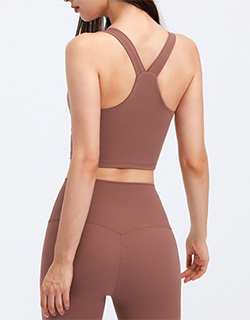
How Startups Can Reduce Activewear MOQ Without Sacrificing Quality
Startup Activewear Production Guide
How Can a Startup Reduce Activewear MOQ Without Sacrificing Quality?
A startup can reduce activewear MOQ safely by simplifying the first collection, using proven materials and construction, concentrating units into fewer style-color combinations, and keeping the same approval and inspection standards used for larger orders. The goal is to remove avoidable variation—not remove the controls that protect fit, performance and consistency.
Why “Lower MOQ” Is Not One Number
In activewear manufacturing, the garment quantity is only one layer. A factory may be able to sew a short run, while the fabric mill requires a larger dye lot, a custom elastic supplier requires a full roll, or printed packaging has its own minimum. The usable answer therefore depends on where the constraint sits.
Garment minimum
The smallest production run accepted for one construction and specification.
Style-color minimum
The quantity required for each style and color combination, even when sizes can be mixed.
Material minimum
The mill or supplier minimum for fabric, dyeing, elastic, labels, hardware or packaging.
Process minimum
The economic threshold created by cutting, line setup, printing, embroidery, bonding or testing.
Ohsure's current published planning standard is 100 pieces per style per color, with sizes mixed, subject to the final written quotation for the actual design and materials. Treat that as a starting framework—not permission to combine unrelated styles, colors or processes automatically.
Seven Ways to Reduce MOQ While Protecting Quality
- Launch fewer hero styles. Put the first-order quantity into one or two products with a clear use case. Five shallow styles usually create more setup, more approvals and weaker size depth than one focused capsule.
- Reduce colors before reducing size coverage. A broad size range often matters more to customer fit than an extra fashion color. Confirm whether the supplier allows sizes to be mixed within each approved style-color minimum.
- Use a proven stock fabric. Select an available performance fabric with a documented code and known construction. Confirm composition, weight, width, stretch direction, recovery, shade availability and reorder conditions in writing.
- Build from one construction platform. Share the same base block, fabric family, waistband method, seam type and approved components across a coordinated set where technically appropriate. Do not force sharing when support, opacity or movement requirements differ.
- Choose standard trims and branding methods. Existing elastic widths, label formats, thread colors and packaging can avoid separate supplier minimums. A standard component is useful only when it still meets the specification.
- Freeze decisions before bulk cutting. Approve the sample, measurement specification, bill of materials, artwork placement, color standard and packaging before production. Late changes can turn a small order into an expensive one.
- Plan the repeat order at the start. Record material codes, supplier lots, approved samples and lead-time assumptions. A low first MOQ has limited value if the successful product cannot be reproduced consistently.
Quality Controls That Should Never Be Traded for a Lower MOQ
Low quantity changes the economics of production; it should not erase the evidence used to approve the product. Keep the following requirements even when the first run is small:
- Written specification: measurements, tolerances, construction, stitch type, artwork, labels and packing.
- Approved physical sample: the reference for fit, workmanship, appearance and placement.
- Fabric verification: agreed composition and performance checks relevant to the claim and use case.
- Shade and lot control: agreement on color standard, acceptable variation and substitution approval.
- In-line checks: early confirmation that bulk construction matches the approved method.
- Final inspection: defined sampling method, defect categories and acceptance terms before shipment.
What to Simplify—and What to Keep
| Decision area | Safe simplification | Risky shortcut |
|---|---|---|
| Assortment | Fewer styles and colors with intentional size ratios | Too few units in core sizes or unrelated styles combined without approval |
| Fabric | Verified stock fabric in an available color | Unknown substitute selected only because it is available |
| Construction | Proven seams and fewer decorative panels | Removing support, reinforcement or stretch-compatible stitching |
| Branding | Standard label or simple transfer with approved placement | Unverified decoration that cracks, peels or affects stretch |
| Packaging | Standard protective bag and label format | Insufficient protection or missing legal/customer information |
| Inspection | Proportionate inspection plan with written criteria | No bulk checks because the order is small |
A Practical First-Order Structure
Suppose a startup wants leggings, a sports bra and a top in three colors. That creates nine style-color combinations before sizes are considered. If the supplier minimum applies per style per color, the launch may exceed the brand's cash and inventory plan even when the advertised MOQ appears low.
A more workable first order might focus on one coordinated legging-and-bra set in one core color, using the same verified fabric family where performance permits. The brand can preserve size coverage, fund proper samples and inspection, learn which sizes sell, and add the next color only after demand is visible.
Then add retained samples, expected defects, shortages and returns when calculating sellable inventory.
This is an illustration, not a universal ordering rule. Always ask the supplier to show exactly how the minimum is counted and which inputs create separate thresholds.
Questions to Send Before Requesting a Lower MOQ
- Is the MOQ counted per style, per color, per fabric, per order or per purchase line?
- Can sizes be mixed, and is there a minimum quantity for each size?
- Which stock fabrics and colors are currently available, and how long are they likely to remain reorderable?
- Which trims, labels, prints or packaging items create separate minimums?
- Can a transparent setup surcharge replace extra finished units for any process?
- Which sample is the bulk-production reference, and what must be approved before cutting?
- What inspection stages, defect definitions and remedies apply to the short run?
- What changes if the repeat order uses a different material lot or occurs several months later?
Frequently Asked Questions
Can startups negotiate a lower activewear MOQ?
Sometimes. Flexibility usually depends on available materials, style complexity, color count, production scheduling and whether fixed setup costs can be covered another way. Ask for the reason behind each minimum.
Is stock fabric always lower quality?
No. “Stock” describes availability, not performance. Evaluate the actual material code, composition, weight, stretch, recovery, opacity, colorfastness and intended use. Availability alone is not proof of suitability.
Should a startup accept a higher unit price for a smaller order?
It can be rational when the premium is smaller than the cash and markdown risk avoided. Compare total cash required and cost per sellable unit, not only factory price per piece.
Does low MOQ mean private label only?
No. Private label often begins lower because the product platform already exists, but adapted ODM and some OEM projects can also use short runs when the material and construction choices are workable.
How can a brand protect quality on a short run?
Use the same essentials as a larger order: a complete specification, approved sample, material identity, defined tolerances, in-line checks, final inspection criteria and written defect remedies.
Bottom Line
The safest way for a startup to reduce activewear MOQ is to reduce unnecessary variation while preserving the evidence and controls that define the product. Concentrate the range, use verified available inputs, freeze the approved specification and document how the order can be repeated. A low MOQ is useful only when the resulting garments are consistent, sellable and scalable.
Evidence note: Ohsure-specific MOQ wording and the live Product Industry Blogs configuration were checked September 16, 2026. Production constraints vary by project, supplier and material. No certificate number, legal registration, factory identity, universal lead time or guaranteed result has been invented.