
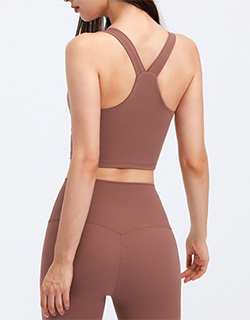
How to Choose an Activewear Manufacturer: A Complete Supplier Evaluation Checklist
ACTIVEWEAR SUPPLIER EVALUATION
How to Choose an Activewear Manufacturer: A Complete Supplier Evaluation Checklist
Choose an activewear manufacturer by verifying product-specific capability, sample quality, production controls, commercial fit and delivery reliability—not by comparing unit price alone. Start with a written brief, screen factories against the same questions, test the highest-risk product, audit supporting evidence and place a small controlled order before scaling.
The short answer
A suitable manufacturer should be able to make your exact product category, explain how it controls stretch fabrics and performance construction, quote a workable MOQ and landed-cost structure, document sample-to-bulk approvals, disclose production dependencies and accept measurable quality and delivery terms. A certificate, attractive sample or low quotation can support the decision, but none is sufficient by itself.
Product, customer, performance, quantity, budget and warehouse date.
Relevant experience, manufacturing model, materials, MOQ and capacity.
Samples, records, quality gates, facility scope and references.
Purchase-order terms, inspection rights, change control and remedies.
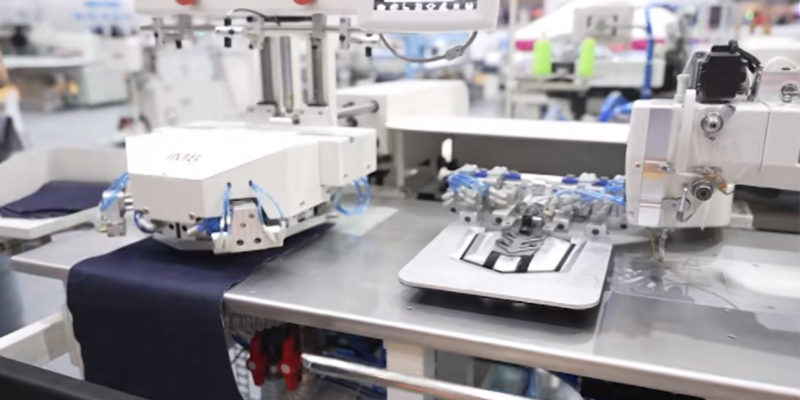
1. Define What the Manufacturer Must Be Good At
“Activewear” is not one manufacturing capability. Leggings, high-support sports bras, seamless sets, bonded jackets, maternity activewear and basic training tops use different materials, machinery, fit knowledge and inspection methods. A factory that performs well on one category may not be the best fit for another.
Prepare a one-page sourcing brief before requesting quotations. It does not need to be a finished tech pack, but it should give every candidate the same commercial and technical starting point.
Product scope
Styles, intended activity, target customer, size range, colors and expected order quantity.
Performance requirements
Stretch and recovery, opacity, support, moisture management, abrasion, wash durability and comfort.
Customization level
Private label, modification of an existing design, ODM development or full OEM cut-and-sew.
Commercial constraints
Target landed cost, sample budget, launch window, delivery destination and replenishment plan.
Separate “must have” from “preferred”
Mark requirements as mandatory, preferred or open to supplier recommendation. This prevents a factory from quietly substituting a critical specification while still allowing practical alternatives for fabric, construction or packaging.
2. Choose the Right Manufacturing Model
The right supplier depends partly on how much product development your team can provide. Confirm the model before comparing quotations because two factories may be pricing very different scopes.
| Model | Buyer normally provides | Manufacturer normally provides | Main control risk |
|---|---|---|---|
| Private label | Branding, colors, quantities and packaging | Existing product or pattern with limited changes | Low differentiation and unclear exclusivity |
| ODM | Concept, customer, price position and desired changes | Design development, pattern, sourcing and production support | Design ownership and undocumented changes |
| OEM / cut-and-sew | Original design, tech pack and approval requirements | Engineering, sampling and production to specification | Incomplete specifications and sample-to-bulk drift |
Ask which steps are completed in-house and which are outsourced. Pattern making, fabric knitting or dyeing, printing, embroidery, bonding, sewing, testing and final inspection may involve different facilities. Outsourcing is not automatically a problem, but responsibility, traceability and approval points must be clear.
3. Use a Weighted Activewear Manufacturer Scorecard
A scorecard makes the decision repeatable and prevents the lowest quotation or most persuasive salesperson from dominating the selection. Set the weights before reviewing final offers, then require evidence for every high score.
Product capability
Relevant garments, materials, construction, fit development and performance knowledge.
Quality system
Incoming, in-line and final controls; records; traceability; defect response.
Sampling
Clear sample types, revision control, measurement reporting and approval process.
Commercial fit
MOQ structure, transparent cost, payment terms and workable order economics.
Delivery capability
Material readiness, realistic lead time, available capacity and milestone reporting.
Communication and risk
Ownership, response quality, disclosure, compliance and business continuity.
Illustrative weighting only. A startup may place more weight on development support and MOQ, while a mature replenishment program may prioritize consistency, capacity and on-time performance.
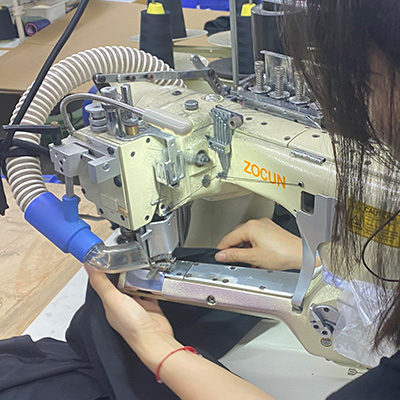
4. Ask These Questions During First-Round Screening
Have you produced products technically similar to ours?
Ask for examples that match the fabric type, support level, seam construction, printing or bonding method and target quality—not simply any sportswear photograph.
Which processes are in-house?
Map pattern making, sampling, cutting, sewing, decoration, finishing, inspection and packing. Request disclosure of critical external processors and who controls them.
How is MOQ calculated?
Confirm whether minimums apply per style, color, fabric, print, size or total order. Ask what material minimums remain even if the sewing quantity is reduced.
What starts the lead-time clock?
Clarify whether the schedule begins after deposit, material approval, purchase-order confirmation, pre-production sample approval or receipt of all components.
How do you prevent sample-to-bulk variation?
Look for an approved sealed sample, controlled bill of materials, measurement specification, color and artwork references, pre-production meeting and in-line checks.
How are defects handled?
Require a written process for segregation, root-cause analysis, repair, replacement, reinspection, shipment approval and financial responsibility.
What capacity is actually available for our order window?
Annual output is not the same as a reserved production slot. Ask for order-specific availability tied to material readiness, style complexity and the proposed calendar.
Who owns communication and approvals?
Identify one responsible project manager, escalation contact and response cadence. Important decisions should be version-controlled in writing.
5. Verify Evidence, Not Just Answers
Supplier claims become useful only when they are connected to dated, relevant evidence. Request the minimum records needed to verify the risk in your order; do not collect certificates merely to create a large vendor file.
| Claim | Evidence to request | What to check |
|---|---|---|
| Relevant expertise | Comparable samples, production records or buyer-approved references | Same product complexity, fabric and process—not a generic portfolio |
| Factory identity | Business registration, facility address and live or third-party audit | Legal entity, manufacturing location and actual process scope |
| Quality management | Current certificate where relevant, procedures and completed QC records | Holder, scope, issuer, validity and application to the order |
| Capacity | Line loading, order-specific plan and recent qualified output | Available slot, working calendar, product mix and outsourced stages |
| Material performance | Test method, report and traceable sample or lot reference | Whether the tested material matches approved and production material |
| Delivery performance | Recent milestone or shipment data, suitably redacted | Comparable order type and definition of on-time delivery |
What ISO 9001 does—and does not—prove
ISO guidance explains that conformity to ISO 9001 indicates a systematic quality-management approach. It is not a substitute for proof that a particular garment conforms to your product requirements. Verify certificate scope and validity, then separately define product tests, tolerances, inspection and acceptance.
6. Run a Sample Plan That Closes Specific Risks
Do not ask only for “a sample.” Name the sample type, the question it must answer and the approval record required before the project advances. Depending on the product, the sequence may include a development sample, fit sample, revised fit sample, size set, color or print approval and pre-production sample.
- 01Material approval
Record composition, weight, color, finish, stretch direction and required performance. Keep a traceable reference.
- 02Fit and construction review
Measure the garment, assess mobility and support, inspect high-stress seams and document every correction.
- 03Use and wash testing
Test the risks relevant to the garment, such as opacity, recovery, pilling, shrinkage, color transfer, print durability and chafing.
- 04Pre-production approval
Approve the final fabric, trims, branding, measurements, construction and packaging as the bulk reference.
- 05Controlled release
Identify the approved version in the purchase order and prohibit unapproved substitutions or changes.
For a fuller process map, review the custom activewear manufacturing guide and the explanation of fabric, sample and bulk production quality controls.
7. Compare MOQ, Price and Total Landed Cost
A low unit quotation can become expensive after development, fabric minimums, decoration, packaging, inspection, freight, duties and rework are included. Compare quotations using the same Incoterm, named place, quantity, specification, currency and validity period.
Development
Pattern, grading, samples, revisions, courier and testing.
Product
Fabric, trims, labor, decoration, labels and packaging.
Order control
Inspection, testing, payment fees and quality contingency.
Logistics
Origin charges, freight, insurance, duties, clearance and delivery.
Also calculate the inventory created by the MOQ. Ohsurewear’s current public guidance lists a standard MOQ of 100 pieces per style per color with mixed sizes, but the exact minimum can change with fabric, customization and order structure. Use the dedicated Ohsure MOQ planning guide and custom activewear pricing guide to model cash exposure.
8. Put the Control Plan Into the Purchase Order
A good sample and friendly communication do not replace written order controls. Before paying for bulk production, align the quotation, purchase order, specification and approved sample so they reference the same product version.
- Legal supplier name, manufacturing location and approved external processes
- Style, color, size breakdown, quantity, unit price, currency and payment milestones
- Bill of materials, measurement specification, tolerances and approved sample version
- Artwork, branding, labels, packaging and carton requirements
- Incoterm, named place, cargo-ready date and delivery milestones
- Inspection standard, sampling level where applicable and acceptance criteria
- Testing responsibility, report timing and traceability to production material
- Rules for substitutions, deviations and written change approval
- Defect, rework, replacement, reinspection, delay and claim procedures
- Intellectual-property, confidentiality and document-retention obligations
Use a pilot order before scaling
A controlled first order tests more than the garment. It reveals whether approvals, reporting, material control, production consistency, inspection, packing and shipping work as promised. Scale only after reviewing the complete result.
9. Red Flags When Choosing an Activewear Factory
No specification, MOQ basis, Incoterm or inclusion list.
No relevant product examples, process explanation or technical questions.
No product-level tests, QC records or traceability.
No material, approval, inspection or freight dependencies shown.
No sealed reference, in-line checks or change procedure.
Commercial commitment requested while specifications remain open.
Unclear factory identity or undisclosed critical subcontracting.
Important decisions are not confirmed in dated, version-controlled records.
Frequently Asked Questions
How do I find a reliable activewear manufacturer?
Build a shortlist from relevant product experience, then use the same brief and screening questions for every candidate. Verify identity, process scope, samples, quality records, capacity and references. Run a controlled pilot order before committing a larger volume.
What questions should I ask an activewear manufacturer?
Ask about similar products, in-house and outsourced processes, fabric sourcing, sample types, MOQ basis, quotation inclusions, quality gates, testing, available capacity, lead-time start point, inspection rights, defect handling and change control.
Should I choose the manufacturer with the lowest MOQ?
Not automatically. A low MOQ may reduce initial inventory but increase unit cost, limit custom materials or split production across suppliers. Compare the complete order structure, product risk and landed cost.
How can I check activewear quality before bulk production?
Approve traceable material references, measure and wear-test samples, test relevant performance and wash risks, approve a pre-production sample and record the exact version released for bulk production.
Does ISO 9001 guarantee garment quality?
No. It can indicate that the certified organization uses a quality-management system within the certificate’s stated scope, but it does not by itself prove that a specific garment meets your measurements, performance, workmanship or compliance requirements.
How many manufacturers should I compare?
There is no universal number. Use enough qualified candidates to compare capability and commercial fit without creating an unmanageable sampling project. A smaller shortlist with consistent evidence is more useful than many unverified quotations.
When should I audit a factory?
Audit when the order value, compliance exposure, product complexity or continuity risk justifies it. A remote review can support early screening, but higher-risk programs may need an on-site or qualified third-party assessment.
What is the final step before placing a bulk order?
Reconcile the approved sample, technical specification, bill of materials, quotation, purchase order, quality plan and delivery calendar. Resolve every contradiction in writing before production release.
Buyer Takeaway
The best activewear manufacturer is not the factory with the broadest promise. It is the supplier whose verified capability, quality controls, commercial model and available production plan fit your specific product. Define the brief, score candidates consistently, validate the risky details in sampling, convert approvals into written order controls and scale only after a successful pilot.