
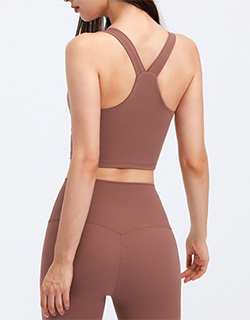
OEM vs ODM Sportswear: Which Manufacturing Model Is Best for Your Business?
Choosing the right manufacturing model is one of the most important decisions when launching or scaling a sportswear brand. Whether you're starting a new activewear label or expanding an existing one, understanding the difference between OEM and ODM will directly impact your cost, speed, and brand positioning.
With over 15 years of experience in custom sportswear manufacturing, ohsure helps global brands choose the most suitable production model—ensuring efficiency, quality, and scalability.
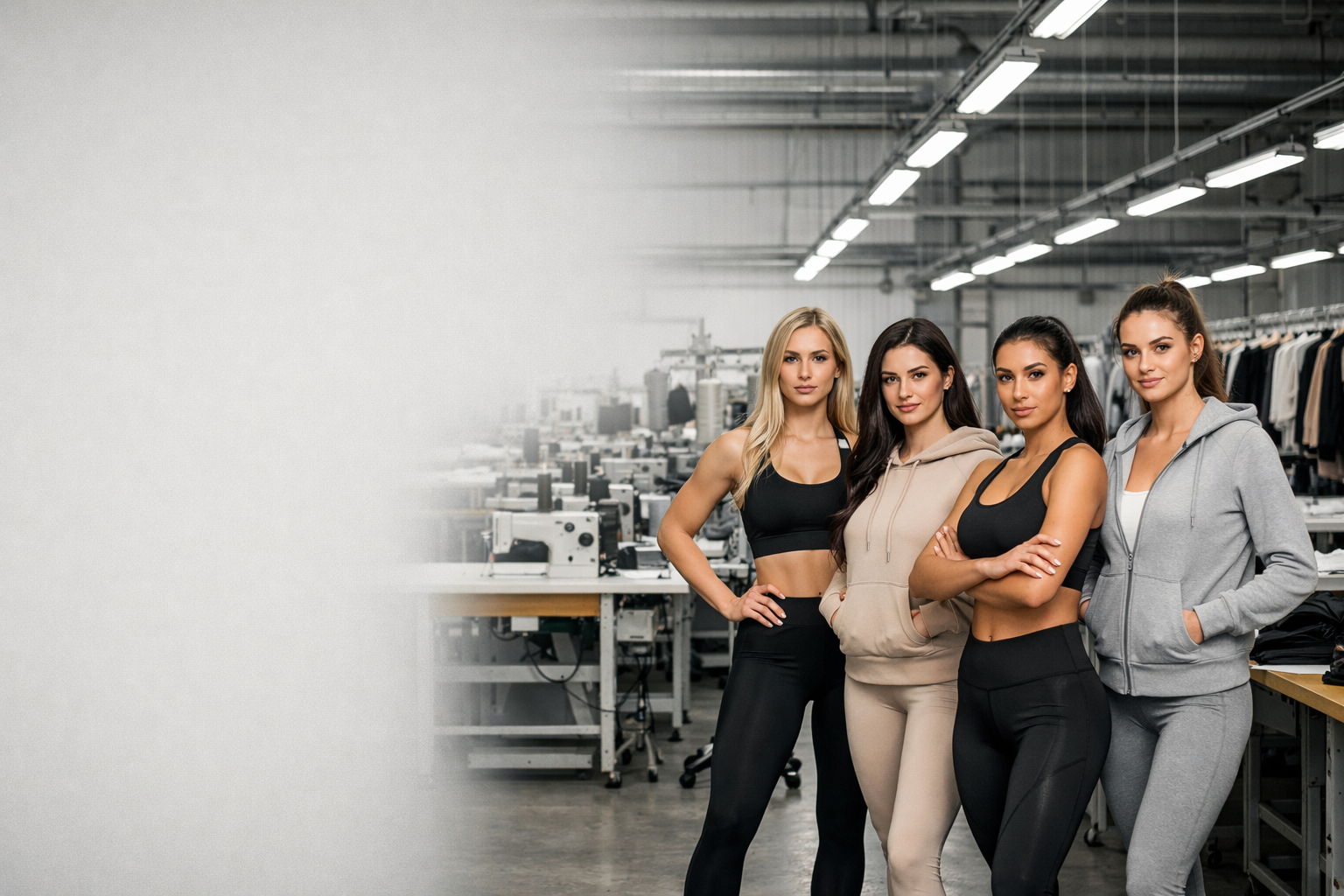
What Is OEM in Sportswear Manufacturing and How Does It Work?
What does OEM mean in apparel manufacturing?
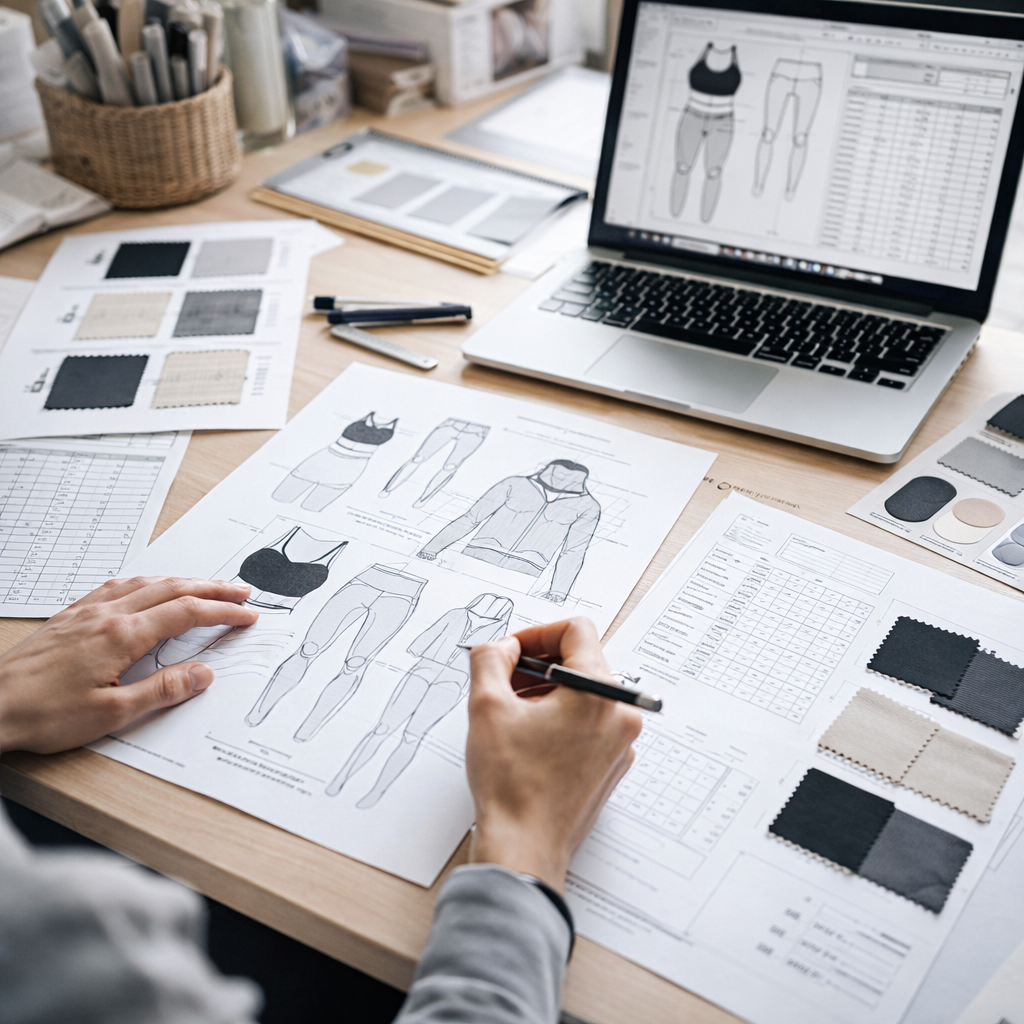
OEM (Original Equipment Manufacturer) means you provide your own designs, tech packs, and specifications, and the manufacturer produces the products exactly according to your requirements.
What responsibilities do brands have in OEM?
• Create detailed tech packs (size, fabric, trims)
• Define logo placement and branding elements
• Approve samples before moving to bulk production
When should you choose OEM?
• You want unique, fully customized products
• You have a clear brand identity
• You aim to build long-term brand differentiation
How does ohsure support OEM clients?
At ohsure, we provide:
• Tech pack optimization support
• Professional fabric sourcing (nylon, spandex, recycled materials)
• Fast sampling (7–10 days)
• Strict quality control from sample to bulk
What Is ODM in Sportswear Manufacturing and When Is It Better?
What does ODM mean in sportswear production?
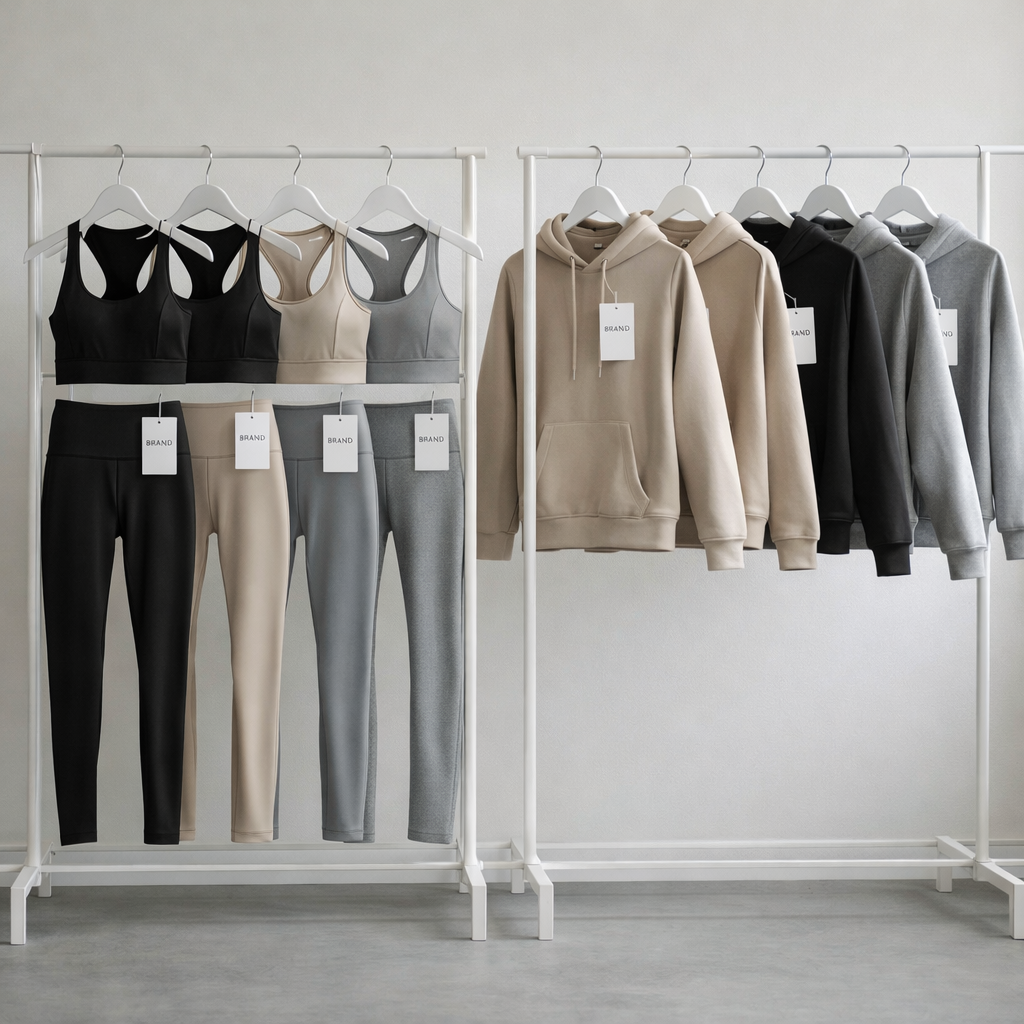
ODM (Original Design Manufacturer) means the manufacturer provides ready-made designs, which you can customize with your logo and branding.
What are the advantages of ODM?
• Faster time-to-market
• Lower development costs
• Less design complexity
When is ODM the better choice?
• You want to launch quickly (Shopify, Amazon, TikTok Shop)
• You don’t have an in-house design team
• You want to test products with lower risk
How does ohsure handle ODM projects?
ohsure offers:
• Trend-driven ready designs
• Multiple logo application methods (printing, embroidery, silicone)
• Flexible MOQ (starting from 100 pcs)
• Fast production timelines (20–30 days)
What Are the Key Differences Between OEM and ODM?
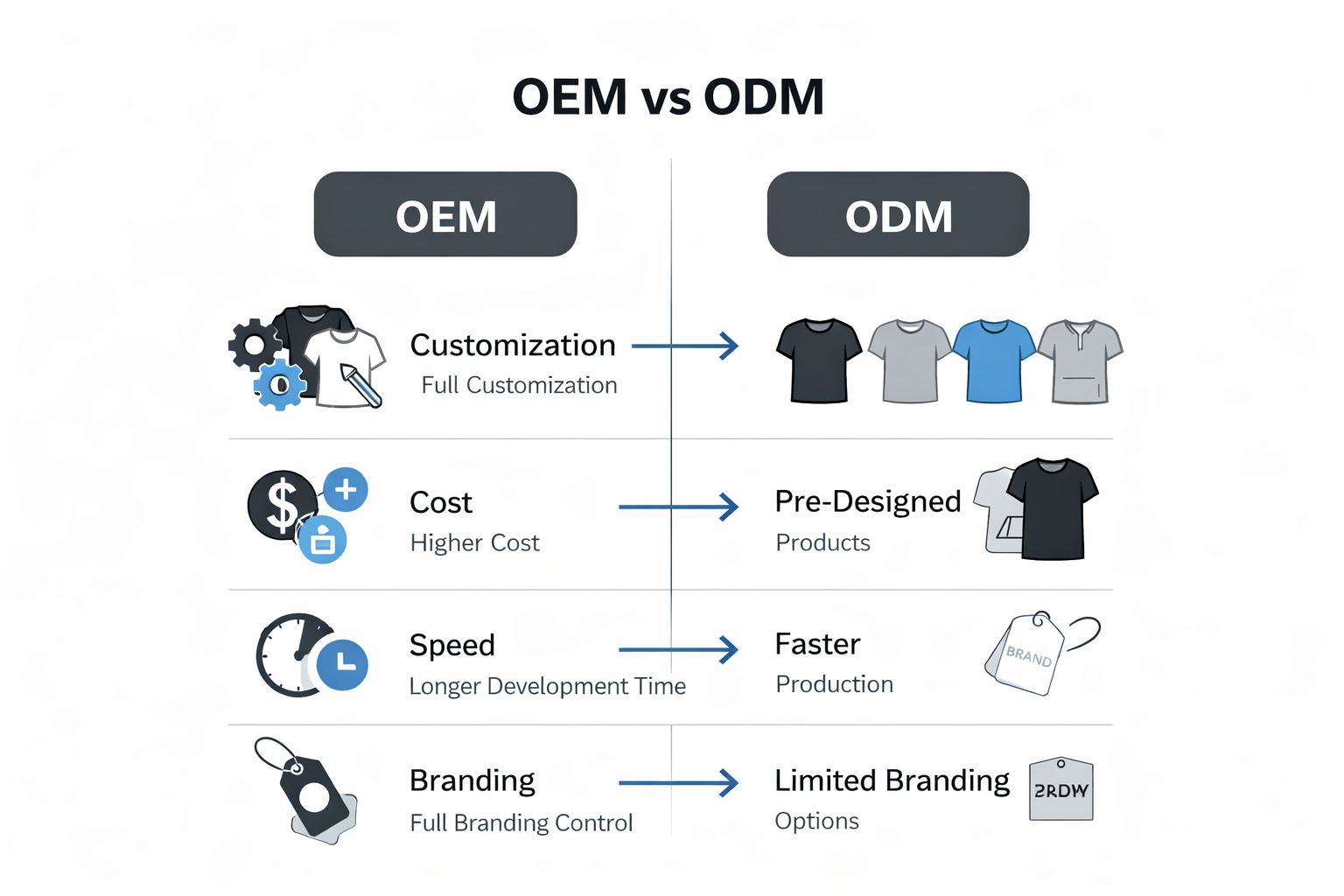
Factor | OEM (Custom Manufacturing) | ODM (Ready Design Manufacturing) |
Design Ownership | Brand-owned | Manufacturer-owned |
| Development Time | Longer | Shorter |
Cost | Higher upfront | Lower upfront |
Customization Level | Full customization | Limited customization |
| Time to Market | Slower | Faster |
| Brand Differentiation | High | Medium |
| Best For | Established / scaling brands | Startups / fast launch sellers |
Which Manufacturing Model Is Best for Your Business Stage?
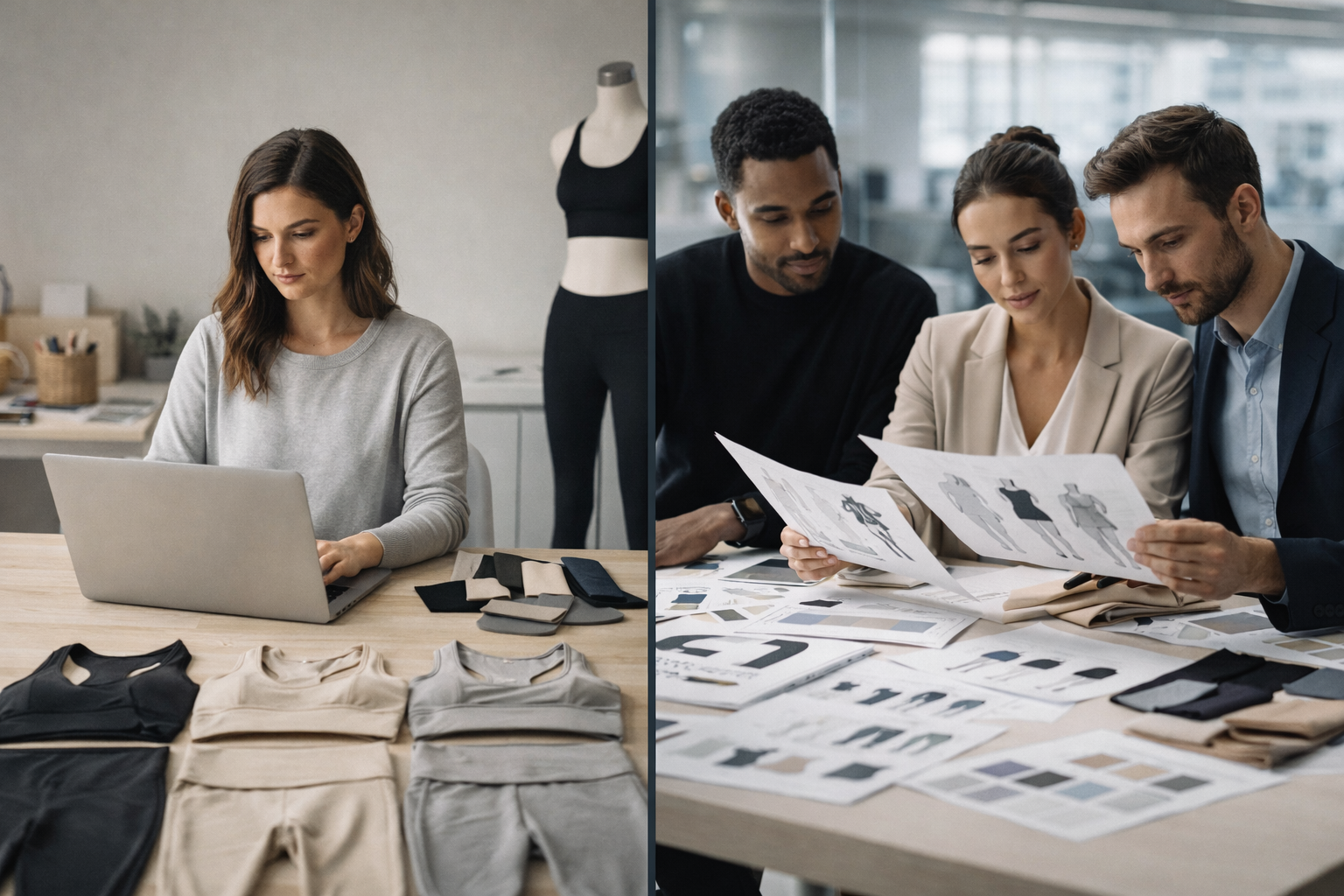
For startups and new brands
ODM is usually the better option because:
Lower initial investment
Faster product launch
Easier to test the market
For growing or established brands
OEM becomes more valuable when:
You want exclusive designs
You need stronger brand identity
You want to stand out in competitive markets
Can you combine OEM and ODM?
Yes. Many brands work with ohsure using a hybrid approach:
Start with ODM to validate the market
Transition to OEM for signature collections
How to Choose a Reliable OEM/ODM Sportswear Manufacturer?
What should you look for?
• 10+ years of manufacturing experience
• Clear production workflow (sampling → production → QC)
• Strong communication and responsiveness
• Transparent lead times and MOQ
Why is quality control so important?
A reliable manufacturer ensures:
• Sample matches bulk production
• Fabric performance (stretch, durability)
• Accurate sizing for global markets
Why choose ohsure as your manufacturing partner?
ohsure provides:
• Factory-direct pricing (no middlemen)
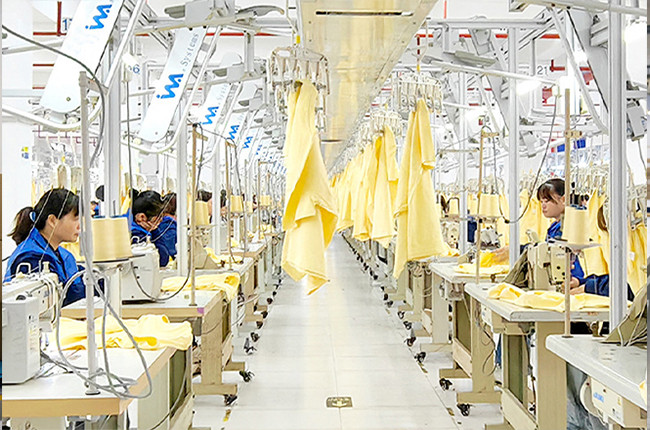
• 3000㎡ production facility with 100+ workers
• Daily capacity of 1000+ pieces
• Multi-layer quality control system
• Worldwide shipping (DDP, FOB, EXW)
Final Thoughts: OEM vs ODM—What’s the Right Choice?
There’s no universal answer—the right choice depends on your business goals, timeline, and resources.
• Choose OEM if you want full customization and long-term brand value
• Choose ODM if you want speed, efficiency, and lower upfront costs
For many brands, the smartest strategy is to start with ODM and gradually move into OEM as the business grows.
If you're unsure which model suits your brand, ohsure can guide you from concept to production—helping you reduce risk and scale faster.