
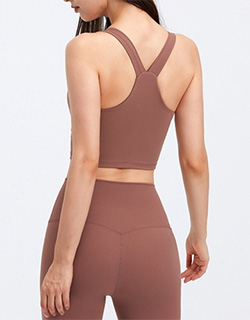
Creating a Nursing Sports Bra With Adjustable Support

Scope of this example: The B729-94 plan calls for a customer case study, but the supplied materials contain no authorized customer record or documented before-and-after results. This article therefore follows an illustrative project. The design choices, possible sample observations and order calculations below are examples, not a completed Ohsurewear order.
What is a nursing sports bra with adjustable support?
A nursing sports bra combines an activity-oriented bra structure with an opening intended to provide breast access for feeding. Adjustable straps, a multi-position band closure or other specified mechanisms allow the wearer to change aspects of fit. The development brief must explain which dimension each mechanism changes and the fit range it is intended to serve.
Adjustable fit is not a support rating. Shortening straps cannot create missing cup capacity, and loosening a band cannot correct every shape mismatch. Support also depends on the interaction of cup geometry, underband, back, materials and garment fit. Any low-, medium- or high-impact label needs a defined basis and appropriate evaluation of the finished product.
A nursing sling is an internal fabric structure that can maintain an attachment or some coverage when an outer cup is lowered; its shape and coverage vary by design. A tech pack records the drawings, measurements, materials, construction, artwork and packing instructions. A bill of materials identifies the components, including elastics, lining, clips and sliders, so the approved sample can be reproduced.
The example brief: separate three product requirements
Imagine a brand proposing a soft-cup nursing sports bra for everyday wear and a defined light-activity positioning. Its concept includes drop-down cups, retained inner slings, adjustable straps and a back closure. These are proposed features to discuss with the manufacturer; they do not establish current catalog availability or an approved activity claim.
- Fit: name the intended bust and underbust measurement ranges, size system, coverage and usable adjustment positions. A size letter alone is insufficient.
- Feeding access: specify how the cup opens, where the strap remains attached and how the wearer identifies a securely reclosed clip.
- Activity performance: define the movements, comfort observations and support evidence required before choosing the final product wording.
The first specification keeps pump retention outside its scope. If the brand later wants pumping functionality, it becomes a separate requirement with named pump interfaces and an additional review. Ohsurewear’s clip-down nursing sports bra product page provides a relevant discussion reference. Confirm the exact construction and customization scope for the proposed style rather than copying all listing claims into a new specification.
Compare adjustment and access features by the problem they solve
| Feature | What it changes | What it cannot establish alone | Sample review focus |
|---|---|---|---|
| Adjustable shoulder straps | Effective strap length and cup position | Adequate cup volume or a support rating | Usable travel, slider retention, twisting and skin contact at the agreed settings |
| Multi-position band closure | Closed underband circumference | Correct cup shape throughout every setting | Band stability, edge comfort, closure access and consistent fit across positions |
| Drop-down cup with inner sling | Feeding access while retaining a defined internal connection | Pump compatibility or the same coverage when open and closed | Opening clearance, strap retention, reclosure and unwanted exposure at rest |
| Crossover access panel | Access through overlapping fabric rather than a cup-release clip | Reliable recovery or coverage in every size | Opening effort, edge recovery and overlap after movement and care |
The example selects drop-down access to make opening and reclosure explicit in the brief, plus separate strap and band adjustment. A crossover design remains an alternative to sample if the brand prefers a different access method. There is no universal best construction; choose against the intended fit range and the evidence collected during review.
Seven steps from concept to production approval
1. Define the size and activity scope before drawing the details
Record target body measurements separately from finished-garment measurements. Explain how a shopper should select a size and which adjustment positions belong within that size’s intended fit range. Specify activity positioning without presenting it as already tested. If both maternity and nursing use are intended, include both fit conditions in the review brief.
2. Map the complete construction
Draw the outer cups, lining, sling, underband, back and strap attachments in both open and closed configurations. Mark the path that keeps the strap connected when the cup is lowered. Define clip orientation, seam allowance and edge finishes with the pattern team. Check that changing strap length does not obstruct the opening or place a slider against an uncomfortable contact point.
3. Select materials and hardware as a system
Request identified outer-fabric and lining swatches, elastic references and clip-and-slider samples. Agree the strap width and hardware dimensions together. Discuss stretch direction, recovery, hand feel and care requirements using the Ohsurewear fabric guide as a starting point. Obtain project-specific evidence for any quantified performance, recycled-content or certification claim.
4. Build a measurable first-sample brief
List points of measurement with diagrams and measurement states: relaxed band length, cup dimensions, strap length limits, closure spacing and sling coverage. Agree tolerances for each relevant point. Include artwork placement, label location and hardware identity. A photograph helps communicate appearance; it cannot supply missing dimensions or construction instructions.
5. Review feeding operation and fit separately
First inspect the garment on the table for attachment, clip engagement and obvious construction issues. Then organize fit and usability review with consenting adult participants representing the intended measurement range. Use agreed movements and access actions; record band migration, cup coverage, strap slipping, edge comfort and opening/reclosure observations. Establish a way to stop a review when discomfort occurs. A posed product photo does not replace wearer feedback.

6. Revise one documented problem at a time
Identify the sample version, size, measurements, adjustment setting and exact observation. Propose a change, then inspect its effect on both fit and access. Repeat agreed checks after care because the cup, strap, elastic and hardware must work together beyond the first fitting. Choose methods, conditions and acceptance limits with the supplier or relevant testing provider; this example establishes no universal pass threshold.
7. Freeze the approved specification before bulk production
Retain the signed sample reference, final graded measurements, material and component codes, artwork files, care instructions and packing requirements. Identify any unresolved item explicitly. Agree inspection scope, sampling rules and responsibility for replacement components before scheduling bulk manufacture. A new elastic, lining or clip is a controlled change that may require renewed checks.
A worked revision example: turn observations into decisions
The following rows show how a review team could respond if these problems appeared. They are hypothetical observations and proposed actions, not actual before-and-after customer results. None of the proposed changes should be recorded as successful until the revised sample is reviewed.
| If the reviewer observes… | Investigate before changing… | Possible revision | Recheck |
|---|---|---|---|
| Band rises during an agreed arm movement | Selected size, band length, cup capacity and strap setting | Adjust band pattern or elastic specification after identifying the cause | Same movement at recorded settings, including edge comfort |
| Strap slips through its slider | Strap thickness, finish, width, hardware fit and assembly | Change the matched strap-and-slider combination | Retention under the agreed use and care conditions |
| Cup opening pulls the retained strap out of position | Sling geometry, clip orientation and attachment point | Revise the connection or sling pattern | Opening, access, reclosure and coverage in the relevant sizes |
| Cup edge gaps after care | Care conditions, edge construction and fabric recovery | Review edge finish or material combination | Measurements, fit and access after the same agreed care procedure |
A useful revision note reads: “Sample V1, size M, middle closure position: band migration observed during the agreed arm raise; review cup and band balance before V2.” It records a reproducible issue without jumping directly to tighter straps as the solution. The closure record should name who reviewed V2 and the evidence supporting the decision.
Cost, MOQ and timing: what to confirm in the quotation
The fact library records Ohsurewear’s starting MOQ as 100 pieces per style per color, with mixed sizes available. For an illustrative launch of one style in two colors, that basis means 1 × 2 × 100 = 200 garments. Four sizes do not automatically multiply that quantity by four. A proposed size mix still needs acceptance, and fabric, elastic or custom-color hardware minimums can change the project requirements.
| Factor | Why cost or time changes | Ask the supplier |
|---|---|---|
| Cup, lining and sling construction | Pattern work, material use and sewing operations vary | Which construction is included, and which changes require resampling? |
| Clips, sliders, elastic and closure | Component matching, sourcing and custom colors may introduce minimums | Are the exact components available, and are alternatives subject to approval? |
| Size range and sample scope | Grading and reviewing additional sizes requires work | Which sizes, revisions and sample quantities are included? |
| Verification and inspection | Agreed methods, outside testing and inspection scope affect the budget | Who performs each check, what report is supplied, and what is charged separately? |
| Branding, packing and delivery | Artwork trials, labels, packing and transport add separate dependencies | What does the price include, and when does each stage begin? |
Use a complete budget: development and samples + bulk garments + agreed verification + labels and packaging + transport and applicable destination charges. Avoid comparing unit prices until both quotes cover the same specification and commercial scope. No product-specific price is established by the supplied materials.
Sample timing is confirmed after reviewing the design, materials and customization requirements. Bulk-production timing depends on approved specifications, material availability and the production schedule. Obtain separate allowances for materials, first sample, each revision, approval, bulk manufacture, inspection and transport. Confirm working versus calendar days, the start condition for each period and the impact of late approvals. The fact library identifies inconsistent published timelines, so this article does not promise a fixed delivery period.
Common development mistakes
- Using tighter straps to solve every fit issue. Review cup and band balance first; record which adjustment setting was used.
- Approving only the closed bra. Check the open cup, retained strap, sling and reclosure as well.
- Reviewing one central size only. Identify which sizes and body-measurement boundaries need evaluation, then agree the sample scope.
- Changing a component without recording it. Link each material and hardware revision to the sample and repeat affected checks.
- Treating nursing access as pump compatibility. Define and evaluate any pumping requirement separately.
- Publishing broad support or health claims from appearance. Use evidence for the exact garment and claim; this development example establishes no medical benefit, therapeutic compression or impact rating.

The manufacturer perspective: make the approved bra repeatable
Ohsurewear’s supplied fact library describes design-reference review, pattern and sample support, manufacturing, inspection and packaging customization. For this bra concept, the practical manufacturing lesson is to identify every approved component and connection. A visually similar clip or elastic can still differ from the sampled item, so component substitutions need an agreed review process.
The library also records four advertised quality-control stages: raw-material checks, printing-process inspection, semi-finished sampling inspection and finished-garment inspection. Its listed inspection subjects include material characteristics, appearance, measurements, stitching and accessories. These service descriptions do not establish a completed test on this concept or a universal acceptance standard. Discuss how the quality-control service will cover the approved bra’s specific access hardware, attachments and adjustment function.
Before release, retain a compact approval record: sample version and photos; graded measurement sheet; bill of materials; fit and feeding-access observations; care and relevant test records; branding approval; inspection agreement; and named sign-off. Record missing evidence as pending. This is editorial guidance derived from the project’s manufacturing needs, not a claim about a completed Ohsurewear customer project or its internal operating procedure.
Frequently asked questions
What does adjustable support mean in a nursing sports bra?
It means the garment includes defined ways to change fit, such as strap length or underband closure positions. Cup shape, fabric behavior and band construction still influence support. State the usable adjustment range and assess the finished garment instead of treating a slider or hook row as proof of a support level.
Can nursing clips be added to an existing sports bra?
An existing style can be a starting reference, but adding clips changes the access construction and may change strap retention and cup behavior. Review the pattern, sling, attachment points, opening and reclosure before approval. A regular bra sample does not validate the revised nursing configuration.
Is a nursing sports bra automatically suitable for high-impact exercise?
No. Nursing access and a high-impact support claim are separate requirements. Define the intended activity and the evaluation needed to substantiate the claim on the finished garment. Neither this worked example nor its conceptual images establish a tested support rating.
Does a nursing sports bra also hold breast pumps?
Only make that claim after checking the named pump interface and intended wearing configuration. A drop-down cup or inner sling does not establish pump retention, compatibility with every pump, or suitability for exercising with a pump installed. Specify pump compatibility as a separate development requirement.
What is Ohsurewear’s starting MOQ?
The supplied fact library records a starting MOQ of 100 pieces per style per color, with mixed sizes available. One style in two colors therefore starts at 200 garments on that basis. Final requirements depend on the project, including material, hardware, branding and packaging minimums.
How long do samples and bulk production take?
Sample timing is confirmed after reviewing the design, materials and customization requirements. Bulk-production timing is confirmed according to approved specifications, material availability and the production schedule. Ask for separate revision, inspection and transport allowances, and confirm whether each quoted period uses working or calendar days.
Which fabric should I request?
Begin with identified swatches and the intended garment behavior. Ohsurewear lists nylon/spandex and polyester/spandex among its fabric options. Confirm the exact composition, weight, knit, finish, lining, availability and relevant evidence for your project. A fiber name or spandex percentage alone cannot establish comfort, recovery or support.
Is this a verified Ohsurewear customer case study?
No. It is a worked development example based on the supplied Ohsure article fact library and public product and service information. No authorized customer records, project timeline or measured outcomes were provided. The proposed design, revision scenarios and quantities are illustrative, and the images are AI-generated concepts.