
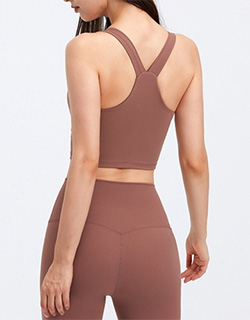
Custom Maternity Leggings: From Sketch to Production

About this example: This guide follows the B729-93 topic, developing maternity leggings from sketch to production. No authorized customer records or measured outcomes were supplied. The scenario illustrates decisions and approval records a brand can use; all proposed quantities and design choices are illustrative.
What are custom maternity leggings?
Custom maternity leggings are leggings developed or adapted to a brand’s specifications for an intended range of changing abdominal dimensions. The brief may specify a dedicated belly panel, rise balance, leg shape, pockets, fabric and branding. “Custom” describes the agreed changes; it does not establish who owns the pattern or whether the design is exclusive.
A technical pack, or tech pack, is the document set that translates the design into manufacturing instructions: drawings, measurements, materials, construction, artwork and packing details. A bill of materials identifies the fabric and components. A pre-production sample is a garment submitted for approval before bulk manufacture under the agreed sample scope.
Define support as a garment characteristic you can evaluate, such as panel stability during ordinary movement. A high panel, a soft hand feel or a fiber name does not establish a therapeutic effect. This example covers apparel development and makes no medical-performance claim.
The starting brief: one style, two colors, clear approval criteria
Imagine a brand seeking full-length maternity leggings for everyday wear and its stated studio-wear positioning. Its sketch shows a tall over-bump panel and two side pockets. The project begins with five proposed sizes and two proposed colors. Fabric composition, size measurements and tolerances remain decisions to resolve with the supplier.
| Sketch feature | Specification to agree | Approval evidence |
|---|---|---|
| Tall belly panel | Front and back height, contour, top-edge finish, layer count and material | Measurement drawing plus fit feedback on panel coverage and edge comfort |
| Close-fitting legs | Hip, thigh, knee and opening measurements, inseam and measurement method | Measured sample and movement observations in the intended size range |
| Two side pockets | Opening, depth, angle, reinforcement and placement | Review using the brand’s specified reference item and load |
| Soft stretch fabric | Composition, weight, knit, finish, stretch direction, recovery and availability | Identified swatch and garment checks using an agreed method |
| Brand logo | Artwork version, dimensions, technique, placement and color | Decoration trial on the selected fabric and approved visual reference |
Keep the example’s two colors provisional until fabric availability and minimums are confirmed. On Ohsurewear’s published starting basis of 100 pieces per style per color, with mixed sizes available, one style in two colors means 200 garments. The five sizes do not automatically multiply that quantity fivefold. A purely illustrative allocation per color is XS 10, S 25, M 30, L 25 and XL 10, totaling 100; use actual customer research to set your own mix. The custom manufacturing service is the starting point for confirming the project requirements.
Compare belly-panel constructions before choosing the pattern
The following comparison frames design questions. These are development options, not a claim that every option is available in Ohsurewear’s current catalog.
| Construction | Design intent | Review focus | Cost or development implication |
|---|---|---|---|
| Over-bump panel | Extend coverage over the abdomen | Panel height, contour, top edge and front-to-back balance | Panel area, layers and shape affect material use and sampling work |
| Under-bump waistband | Place the waistband below the abdomen | Low front edge, anchoring, rolling and stability during movement | A separate pattern and fit review may be needed |
| Fold-over panel | Allow the panel to be worn raised or folded | Comfort, bulk and stability in both positions | Both wearing configurations need evaluation |
| Adjustable panel or top edge | Provide a defined adjustment range | Component position, usable range, access and skin-contact comfort | Additional components, assembly and checks may increase the quote |
For this worked example, the brand keeps an over-bump panel because abdominal coverage is part of its brief. It leaves adjustability out of the first specification until wearer feedback identifies a need. This is an example decision, not a universal recommendation.
Seven steps from the first sketch to bulk production
1. Define the wearer and the intended fit range
Describe the intended activity, coverage, body-measurement range and size range. A pregnancy-stage label alone is too broad to set pattern dimensions. State which body measurements guide size selection and how the finished garment will be measured. If the brand intends postpartum use too, add that as a separate fit condition to validate.
2. Turn the sketch into a controlled specification
Annotate front and back drawings with panel joins, pocket position, gusset shape, seam locations and hem treatment. Separate body measurements from finished-garment measurements. Specify whether widths are measured flat or as circumferences, and whether the garment is relaxed or stretched. Agree measurement tolerances by point instead of adding an unexplained tolerance to the whole garment.
3. Select fabric for the complete garment
Use the Ohsurewear fabric guide to begin the material discussion, then request the exact swatch reference and availability. Nylon/spandex and polyester/spandex are listed options, but a composition alone cannot predict the final hand feel, opacity or recovery. Decide whether the panel and legs use the same material and whether the panel has one or two layers. Review the chosen material with the proposed seams, logo and color.
4. Review the first prototype and record each issue
Measure the sample first, then review fit with representative wearers in the intended measurement range using suitable, ordinary movements. Ask specific questions: does the top edge dig in while seated, does the panel migrate, does the crotch pull, and do loaded pockets distort the leg? Record garment size, relevant measurements, sample revision and the observed issue. Stop any fit trial that causes discomfort; a trial is not a medical safety assessment.

5. Make targeted revisions and review size grading
For example, if a trial identifies panel migration, review the panel contour, rise balance, material behavior and top finish before changing the entire garment. Log the proposed adjustment, its reason and the observations required at the next review. Changing several unrelated features at once can make it harder to identify which change helped.
Size grading is the set of changes used to create other sizes from a base pattern. Ask how abdominal volume, panel height, hip and leg dimensions change across the range. Approval of one base size does not establish fit for every size. Agree which size samples are needed, with attention to range boundaries and any construction that changes across sizes.
6. Freeze the approved pre-production reference
Align the sample revision, measurement sheet, materials list, artwork and color references. Confirm whether the approval sample uses bulk-intended materials and decoration; record and resolve any substitution. Agree size-color quantities, labeling, packing, inspection scope and commercial terms before authorizing production. A late fabric change should trigger review of the fit and performance checks it may affect.
7. Inspect bulk, document release and plan receipt checks
Ohsurewear’s quality-control page describes checks at material, printing, semi-finished and finished-garment stages. Convert the relevant inspection categories into your project’s written criteria. Agree measurements, tolerances, visual defect definitions, sampling rules and the response to failed checks. Ask for the agreed records before shipment release, and confirm how to report discrepancies after receipt.
What affects cost and lead time?
A useful quote separates development expense from production and delivery. Avoid choosing by unit price until the quotes cover the same garment, quantities and service scope.
| Factor | Cost or time driver | Question to resolve |
|---|---|---|
| Pattern and sample work | New panel geometry, grading and revision rounds | What is included, and what triggers another charge? |
| Material readiness | Stock versus sourced material, colors, layers and fabric minimums | When can the exact approved material be ready? |
| Construction and branding | Pockets, seam complexity, adjustments, logo trials and labels | Does the quote include every specified component and operation? |
| Approval turnaround | Sample transport, wearer availability and buyer decisions | Who approves each stage, and by what date? |
| Inspection and delivery | Agreed checks, packing, transport and destination charges | What is included in the price and shipment scope? |
Use planned cash requirement = development and revision charges + bulk garment cost + separately charged branding/packing + inspection/testing + transport and applicable destination charges + contingency. Include each cost once. For the 200-garment example, multiply each color’s quantity by its confirmed unit quote, then add the other agreed charges. There is no verified project price in the supplied facts.
Build the launch schedule around material readiness, sample completion, revision approval, production allocation, inspection and transport. Some work can overlap; ask the supplier to map those dependencies instead of summing unrelated headline lead times. Ohsurewear’s fact library records differing website timelines, so sample timing is confirmed after reviewing the design, materials and customization requirements. Bulk timing is confirmed according to approved specifications, material availability and the production schedule. Confirm the start conditions and whether days mean working or calendar days.
Common mistakes that create avoidable revision work
- Using “soft and stretchy” as the full fabric brief. Identify the actual swatch and agree checks for the intended garment and use.
- Approving a photo instead of a measured sample. Photos can show appearance but leave fit, feel and construction behavior unresolved.
- Making the belly panel taller without checking balance. Review front and back rise, panel shape and the join with the lower garment together.
- Checking pockets only when empty. Specify the reference item and evaluate opening access, retention and distortion during the agreed movements.
- Assuming dark fabric guarantees opacity. Check each chosen color at relevant stretch and lighting conditions using an agreed review method.
- Approving one size for the entire range. Agree a grading review and size-sample plan before bulk authorization.
- Changing fabric after fit approval without reassessment. Record which fit, seam, decoration and care checks must be repeated.
- Starting production with conflicting file versions. Give drawings, sample, measurement sheet and artwork one shared revision reference.

The manufacturer’s perspective: make each approval transferable
The supplied Ohsure fact library describes a sample room, pattern designers and a bulk-production team, alongside support for garment details, branding and packaging. Its maternity manufacturing service publicly covers development, material selection, sampling and production. These service categories support a staged development discussion; they do not establish a completed customer result.
A practical implication for a buyer is to make decisions understandable to everyone who handles the garment. “Panel feels tight” is difficult to translate into a pattern revision. “Revision A, size M, top edge presses while seated; review edge finish and contour while retaining the agreed coverage” gives the developer a specific issue to investigate. This is editorial process guidance, not a verified account of Ohsurewear’s internal procedure.
Before requesting a quote, send the marked-up sketch, intended wearer and activity, proposed size-color matrix, available measurement references, material preferences, pocket requirements, logo artwork and target delivery location. Ask the team to list unresolved decisions. The goal is an approved reference that production and inspection can both use.
A reusable approval record for this project
Copy this checklist into the project file. For every line, record the sample revision, reference document, responsible approver, date and outcome: approved, revise or unresolved. Set numerical targets and tolerances with the supplier; the blanks are not implied pass criteria.
| Approval area | Evidence to attach | Release question |
|---|---|---|
| Design and quantities | Drawings and size-color matrix | Are features, quantities and revision references consistent? |
| Fit and grading | Measurement sheet, agreed tolerances and size-review notes | Are intended sizes and fit conditions adequately reviewed? |
| Belly panel and seams | Coverage, edge comfort and movement observations | Are outstanding fit or construction issues resolved? |
| Fabric and color | Swatch identity, approved color and agreed test/check records | Does the bulk-intended material match the approved reference? |
| Pockets and branding | Reference-item check and decoration approval | Do the actual components meet the written brief? |
| Care and labeling | Agreed wash-check record and final label artwork | Do care instructions reflect the approved garment and evidence? |
| Bulk release and packing | Inspection agreement, packing instructions and shipment scope | Who signs release, and what happens if a check fails? |
The useful deliverable is a controlled development file: sketch, tech pack, revisions, approved sample and release conditions. Commercial outcomes can be reported later if an authorized customer project supplies the records to support them.
Frequently asked questions
Can a factory develop maternity leggings from a sketch?
A sketch can start the discussion. Add intended use, target body measurements, size range, belly-panel concept, fabric preferences, pockets and branding. Ask the manufacturer to identify missing specifications before sampling. The approved sample and written specification should become the production reference.
Should I enlarge an existing regular leggings pattern?
An existing pattern may be a useful reference, but increasing every measurement does not establish maternity fit. Review abdominal volume, front and back balance, panel shape and seam placement separately. Validate the revised pattern on representative wearers within the intended measurement range.
Is an over-bump waistband better than an under-bump waistband?
The choice depends on the intended coverage and wearer preferences. An over-bump panel adds abdominal coverage; an under-bump design sits below the belly. Each needs its own fit review for edge pressure, movement and stability. Neither construction guarantees comfort for every wearer.
What is the minimum order for custom maternity leggings?
Ohsurewear publishes a starting MOQ of 100 pieces per style per color, with mixed sizes available. One style in two colors therefore starts at 200 garments on that basis. Confirm fabric minimums, branding, packaging and the accepted size mix in the project quotation.
How many samples or revisions should I budget for?
There is no fixed revision count established by the supplied facts. Request the included sample scope, revision charges, courier costs and approval stages. Reserve room for another review if the panel pattern, fabric, seam or size grading changes. A first sample is a development reference, not automatic bulk approval.
How long does maternity leggings production take?
Ask for separate dates for materials, sampling, revisions, bulk production, inspection and transport. Sample timing is confirmed after design and customization review; bulk timing depends on approved specifications, material availability and the production schedule. Confirm what starts each stage and whether dates mean working or calendar days.
Can I claim that the leggings provide medical support?
The development example establishes no medical benefit or therapeutic compression rating. Describe verified garment construction and measured fit characteristics. Any medical, certification or quantified performance claim needs evidence specific to the product and claim before it is used in product copy.
Is this an actual Ohsure customer case study?
No. It is a worked development example using the Ohsure article fact library and public manufacturing information. The supplied material contains no authorized customer identity, project timeline or measured results. The example does not claim a completed order, sales increase, delivery result or reduced return rate.