
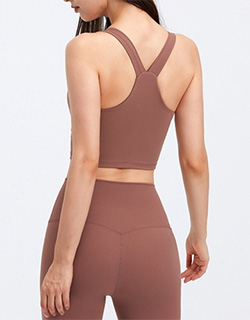
Switching an Activewear Brand to Recycled Performance Fabric
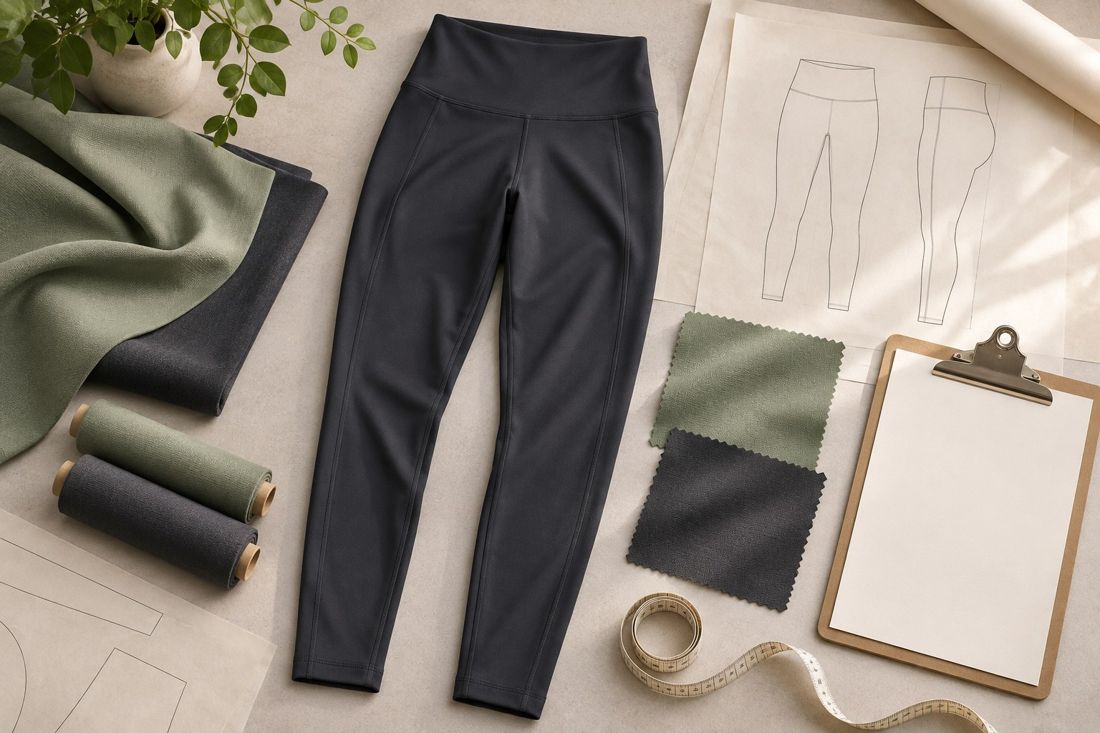
About this example: The B729-95 content plan requests a customer case study. No authorized customer records, measured results or project photographs were supplied. This article therefore follows a hypothetical material transition rather than reporting a completed Ohsurewear customer project.
What is recycled performance fabric?
Recycled-content fabric contains material recovered and reprocessed from an identified waste stream. The specification should identify the fiber, its recycled share and supporting evidence. Performance fabric is fabric selected and evaluated for a defined use, such as repeated stretching, managing moisture or maintaining coverage in a fitted garment. The two descriptions answer different questions: where material comes from, and how the finished product behaves.
For a stretch blend, identify every fiber. A verified fabric described as 78% recycled polyester and 22% spandex contains a non-recycled remainder unless evidence establishes otherwise. The percentage must also identify its scope: the main fabric is different from the complete garment, which may include lining, elastic and other components.
GSM means grams per square meter, a measure of fabric mass per area. Stretch recovery describes how a material returns after an agreed extension and recovery period. Traceability links the specified material to supply and production records. None of these terms is interchangeable with certification or proof of a finished garment’s performance.
The example brief: change the material without losing sight of the garment
Imagine a brand reviewing one existing 7/8 leggings style for yoga and general studio wear. Its current version uses a conventional polyester/spandex knit. The brand wants to explore a recycled-polyester blend while retaining the intended coverage, waistband feel, fit and color presentation. It starts with one style and two proposed colors instead of replacing the entire collection at once.
The brief separates three approvals: material evidence, garment performance and commercial feasibility. A candidate that feels right but lacks the required origin evidence remains unapproved for the recycled-content claim. A documented fabric that fails fit review also remains unapproved for production.
Ohsurewear’s recycled fabric gym wear range is a relevant starting point for supplier discussions. Its recycled polyester bike shorts product page lists material directions that can inform a sampling discussion. Catalog wording is a reference, not approval of composition, certification or availability for a new order.
Compare the current material with two replacement routes
Candidate A keeps the same general fiber family; Candidate B explores a different one. These are development routes, not tested fabric rankings. Changing the polymer, knit, yarn, finish or weight at the same time can make the cause of a fit difference harder to isolate.
| Decision point | Current polyester/spandex | A: Recycled polyester/spandex | B: Recycled nylon/spandex |
|---|---|---|---|
| Role in the project | Retained physical and specification baseline | First route for a closer material-family comparison | Alternative route if the desired feel or construction calls for it |
| Material specification | Record actual composition, GSM, knit, finish and stretch direction | Define full blend and recycled share; seek a comparable construction | Define a new blend and construction; do not assume direct equivalence |
| Performance decision | Record measured baseline and current acceptance criteria | Compare finished samples under the same conditions | Reassess fit, sewing and decoration alongside fabric behavior |
| Origin evidence | Retain original material records | Match recycled-content evidence to the exact selected material | Verify the nylon material and its supply chain separately |
| Commercial decision | Use a comparable current quote where available | Confirm fabric minimum, dyeing, documents and repeat availability | Quote separately; include additional development where needed |
In this example, Candidate A goes to first sampling because it changes fewer intended variables. That is a proposed development choice, not evidence that recycled polyester always performs better or costs less. Use the Ohsurewear fabric guide to begin the material conversation, then work from identified swatches and project specifications.
Seven steps to manage the fabric switch
1. Freeze the reference garment and its specification
Retain a current garment, fabric reference, measurements, care instructions, bill of materials and artwork. Record what the brand needs to preserve and what it is willing to change. Include relevant customer feedback, with permission where needed. “Keep the same quality” is too vague to guide sampling; state the required fit, appearance and behavior.
2. Write the material claim before asking for swatches
Specify the requested fiber blend, recycled-content scope and evidence requirements. Ask whether the recycled input is pre-consumer or post-consumer if the intended claim distinguishes them. Do not infer bottle origin, ocean origin or textile-to-textile recycling from the word “recycled.” Request records supporting the specific statement the brand intends to make.
3. Review the evidence route before committing to branding
If a certification claim is planned, establish the applicable scheme, supply-chain scope and document responsibilities with the supplier and certification body. Textile Exchange’s standards FAQs distinguish recycled-content verification from broader requirements and describe chain-of-custody expectations. A scope certificate concerns covered operations; transaction evidence relates to specified certified material transactions. Check that the relevant documents connect to this project.
Check the rules in force when the order and claims are approved. Textile Exchange’s policy update page records 2026 revisions and implementation dates. This guide does not assert that Ohsurewear, the example garment or any selected fabric is certified. Do not place a standard’s logo on a hangtag before eligibility and applicable approval have been established.
4. Shortlist material references, then sample the garment
Give every swatch a code. Compare GSM, width, usable yield, knit, finish, stretch direction, hand feel and recovery. Record the chosen color and lot. A small swatch can screen options, but fitted leggings require a finished sample to assess waistband balance, coverage and seams. Keep the original pattern for the initial comparison where appropriate; document any later pattern or elastic changes.
5. Compare baseline and replacement under matched conditions
Use the same preparation, care procedure, measurement states and review conditions. Agree suitable test methods and acceptance limits with the manufacturer or testing provider before evaluation. Record observations by garment version, size, color and fabric lot. Review relevant sizes and colors rather than assuming that one dark middle-size sample represents the entire range.

6. Resolve differences and approve a controlled pilot
If the new fabric changes waist tension or coverage, investigate material behavior, pattern and construction together. Revise the relevant variable and repeat affected checks. Keep a revision log so a change made to improve fit does not quietly alter the recycled-content specification or decoration process. Before the pilot, approve the physical sample, graded measurements, materials, labels and inspection plan.
7. Transfer the approved version into bulk records
Link fabric codes, supplier and lot records, cutting batches and finished-garment identifiers. Confirm how substitutions are handled and who can authorize them. Preserve evidence for the final material statement and verify the production lot against the agreed requirements. Keep old and new inventory versions distinguishable so product descriptions and care information match what is shipped.
Build an approval sheet that separates evidence from assumptions
Complete the following fields with actual results. No pass result is implied by this example. Meeting the old sample’s performance alone is insufficient if the old sample itself misses the brand’s intended requirement.
| Check | Record for both versions | Release question |
|---|---|---|
| Material identity and origin | Fiber blend, recycled share and scope, fabric code, supplier, lot and supporting records | Does the approved wording match the exact material and evidence? |
| Stretch, recovery and fit | Method, direction, extension, recovery interval and fit observations at named sizes | Does the revised garment meet the agreed fit and recovery limits? |
| Opacity and coverage | Size, color, garment extension, lighting and agreed assessment procedure | Is coverage acceptable under the defined wearing conditions? |
| Care and durability | Care cycles, dimensional change, pilling, colorfastness and seam condition under selected methods | Are required limits met after the agreed care procedure? |
| Moisture or drying claims | Relevant method, conditions and results if the claim is intended | Is the particular performance statement supported? |
| Color, print and branding | Approved color reference, artwork, process and appearance after care | Has the actual replacement fabric and decoration combination been approved? |
A useful hypothetical issue note is: “V1 replacement sample, size M, fabric A, lot A01: waistband feels looser after the agreed care procedure; measure against the approved limits and review elastic and fabric recovery before V2.” It identifies a problem without inventing a result. Close the issue only when the revised version has supporting evidence.
Cost, MOQ and timing: plan the whole transition
The supplied fact library records Ohsurewear’s starting MOQ as 100 pieces per style per color, with mixed sizes available. For the example of one style in two colors, the starting calculation is 1 × 2 × 100 = 200 garments. Mixed sizes do not automatically multiply that number by the number of sizes. Final order requirements remain subject to project confirmation, and material or dyeing minimums can affect the proposed pilot.
| Cost or time factor | Why it matters | Confirm before approval |
|---|---|---|
| Fabric and usable yield | Price per kilogram alone misses width, weight, cutting yield and waste | Comparable fabric specification and estimated consumption per garment |
| Color and minimums | Stock shades and custom dye lots may follow different order conditions | Availability, lab-dip approval, material minimum and repeat supply |
| Development and evaluation | Samples, shipping, revision rounds and outside testing may be separate items | Included rounds, methods, fees and who signs off each stage |
| Documentation and labels | Evidence review and any required claim approval must precede final print | Document responsibilities, applicable charges and label release date |
| Production and delivery | Scheduling, inspection, packing and freight are separate dependencies | Start conditions, working or calendar days, delivery basis and transit allowance |
For budgeting, use transition budget = one-time development and evaluation + order quantity × confirmed unit cost + separately quoted delivery and other charges. This is a planning structure, not an Ohsurewear quote. It supplies no fixed fabric premium, selling margin or environmental saving.
Sample timing is confirmed after reviewing the design, materials and customization requirements. Bulk-production timing is confirmed according to the approved specifications, material availability and production schedule. Build the launch calendar backward from the required arrival date and include document review, color approval, revisions, inspection and transport. Avoid scheduling a launch from a sample-making estimate alone.
Common mistakes that weaken a recycled fabric transition
- Choosing by recycled percentage alone. A higher share does not establish fit or durability. Preserve separate performance acceptance criteria.
- Treating identical blend percentages as identical fabrics. Record knit, weight, yarn, finish and stretch behavior, then compare actual garments.
- Using a supplier certificate as a universal product claim. Verify document scope and its connection to the material and transaction.
- Calling the entire garment 100% recycled. Check the blend and every component included in the claim’s calculation.
- Changing pattern, color, finish and material without a revision record. Track variables so observations lead to a reviewable decision.
- Printing labels before the evidence is complete. Freeze approved wording before committing to bulk labels and packaging.
- Publishing unsupported impact or customer-success figures. A material change does not supply carbon reductions, return-rate improvements or sales results.

Manufacturer perspective: make the replacement reproducible
Ohsurewear’s OEM and ODM service page describes sample development, pattern support and customization. Its quality-control page describes raw-material, printing, semi-finished and finished-garment inspection stages. These published service descriptions provide a framework for a supplier discussion; they do not establish a test result for the hypothetical replacement fabric.
The practical manufacturing lesson in this example is to approve a material, construction and evidence package together. A swatch without a repeatable code is difficult to reproduce. A fit comment without size and care conditions is difficult to act on. A recycled-content statement without matching records is difficult to substantiate. Agree ownership of those records before the first bulk order.
For this transition, the proposed release decision is simple: proceed only when the garment meets the agreed requirements, the material statement has adequate evidence, and the commercial terms are accepted. If any one remains unresolved, keep the project at development review. This is the recommended decision rule, not a claim about an actual customer outcome.
Frequently asked questions
Is recycled polyester automatically suitable for performance activewear?
No. Recycled content describes material origin; it does not establish stretch, recovery, opacity, drying behavior or comfort. Evaluate an identified fabric and finished sample against the intended activity, size range and agreed care conditions. A fiber name alone cannot approve a replacement.
Can we keep the same pattern when switching to recycled fabric?
Use the existing pattern as a starting reference. Compare the replacement’s weight, stretch direction, recovery and behavior after care, then review finished-garment fit. Keep or revise the pattern based on those findings. A matching fiber blend does not guarantee matching fit.
Does a recycled fabric certificate certify the finished garment?
A document covering one supplier or fabric does not by itself establish that a finished garment and its selling chain qualify for a certification claim. Verify applicable scope, material identity, transaction evidence and claim eligibility with the supplier and certification body before using certification wording or marks.
What does 78% recycled polyester and 22% spandex mean?
If verified for the specified fabric, it describes a blend containing 78% recycled polyester and 22% spandex. It does not mean the fabric is entirely recycled, or that lining, elastic, thread and packaging are recycled. Define the component and calculation basis before extending any percentage to the whole garment.
What is Ohsurewear’s starting MOQ for a pilot?
The supplied fact library records a starting MOQ of 100 pieces per style per color, with mixed sizes available. One style in two colors therefore starts at 200 pieces on that basis. Final order requirements depend on project confirmation, including fabric, dyeing, branding and packaging minimums.
Will recycled fabric cost more or take longer?
There is no project-specific price or fixed premium in the supplied materials. Compare quotations using the same construction, quantity, colors, documentation and delivery basis. Fabric availability, minimums, sampling, revisions and document review can affect the schedule. Obtain written timing after the supplier has reviewed the complete brief.
Can the brand claim a carbon reduction after the switch?
Recycled content alone does not establish a quantified carbon, water or energy reduction. Such a comparison needs evidence with a defined baseline, scope and method. This example supplies no lifecycle assessment or environmental saving result; keep product wording within the material facts that have actually been verified.
Is this a documented Ohsurewear customer case study?
This is an illustrative development example based on the supplied Ohsure article fact library and referenced public sources. No authorized customer record, measured before-and-after data or completed project timeline was supplied. The brief, candidate choices and calculations are illustrative; the images are AI-generated concepts.