
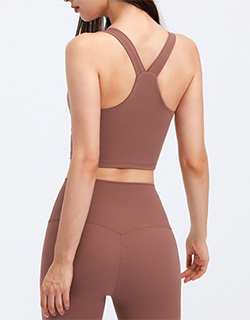
How to Test Squat-Proof Leggings: Fabric Opacity Protocol
Legging Fabric Performance Test
How to Test Whether Legging Fabric Is Squat-Proof
A squat-proof legging remains acceptably opaque when the fabric is stretched across the seat, hips and thighs during deep movement. Reliable evaluation requires controlled lighting, a contrasting reference layer, the correct garment size, repeatable movement and checks before and after laundering.
Direct answer
To test squat-proof leggings, place a high-contrast reference beneath the garment, inspect it under consistent front and back lighting, perform a deep squat and other high-stretch movements, and score how clearly the reference becomes visible. Test every color and size at the intended fit, repeat after washing, and approve bulk production only against a documented sample and acceptance rule.
What Does Squat-Proof Mean?
“Squat-proof” is a practical product claim rather than a single universal textile standard. It normally means that underwear, skin tone or a test reference does not become unacceptably visible when leggings are stretched during a squat. Because visibility changes with color, fabric tension, lighting, size and the observer, brands need their own documented test protocol and approval threshold.
Opacity is only one part of legging performance. Buyers should connect it with fabric weight, stretch, recovery, construction and color using an activewear fabric guide. A fabric can look opaque when relaxed but open between knitted loops when extended. Excessive pattern reduction or an undersized garment can create the same failure even when the base fabric was suitable.
Important limitation
A pass under one person, one lamp or one black color does not prove that every production color and size is squat-proof. The claim should be limited to the exact fabric, dye lot, garment construction, fit range and test conditions that were evaluated.
Why Leggings Become See-Through
Fabric construction opens
Knitted loops spread under multidirectional stretch, allowing the layer beneath to become visible.
Color has low visual coverage
Light, bright or heather colors may transmit or scatter more light than a dark version of the same quality.
Garment fit creates excess strain
A size that is too small or a pattern with too much negative ease places more tension across the seat and thighs.
Fabric changes after care
Shrinkage, surface wear, color loss or damaged elastane can alter coverage after laundering and use.
A Repeatable Squat-Proof Leggings Test Protocol
- 01
Define the exact sample
Record style, fabric supplier code, composition, color, GSM, size, garment measurements, sample stage and wash history. Use the intended production construction, including panels, seams and lining.
- 02
Standardize the reference layer
Use the same high-contrast reference for every sample. A simple option is a black-and-white patterned card for fabric screening and a standardized contrasting underlayer for garment wear tests. Record the color and pattern.
- 03
Control lighting and viewing position
Evaluate under consistent bright, diffuse lighting and repeat under the intended use environment when relevant. Record lamp type or daylight condition, distance and viewing angle. Avoid backlighting the evaluator.
- 04
Check relaxed and stretched fabric
Inspect the fabric relaxed, then at a defined extension in both principal directions. If laboratory equipment is available, document the extension and tension. ASTM D4964 or another agreed stretch method can support repeatability, but it does not itself certify opacity.
- 05
Perform movement on the correct size
Use the approved size chart and intended fit. Inspect a standing position, hip hinge, deep squat, forward lunge and seated bend. Check the seat, upper thigh, crotch and stretched seam areas.
- 06
Score visibility consistently
Use at least two trained evaluators when possible. Score the visibility of the reference, not whether someone personally “likes” the result. Photograph the same area from the same distance for comparison records.
- 07
Repeat after laundering
Test an unwashed sample and a sample after the agreed care cycles. Record temperature, detergent, drying method and number of cycles. ISO 105-C06 addresses colorfastness to laundering; dimensional stability and appearance may require separate agreed methods.
- 08
Approve against a retained standard
Keep the approved garment, photos, score sheet and fabric test report. Use that package during the activewear sampling process and bulk inspection.

Suggested Opacity Rating Scale
The following four-level scale is a practical buyer tool, not an industry certification. Define the permitted result in the purchase specification before production.
| Rating | Observed visibility under target stretch | Suggested decision |
|---|---|---|
| 1 — Opaque | The contrasting reference is not identifiable under the specified movement and lighting. | Pass for the tested conditions. |
| 2 — Slight show-through | Only a faint light-dark difference is visible; no recognizable pattern or detail appears. | Conditional pass only if this matches the brand standard. |
| 3 — Visible | The reference pattern or underlayer is recognizable during the movement test. | Fail; revise fabric, fit, color or construction. |
| 4 — Clearly transparent | Pattern, edges or detail remain clearly visible through the stretched garment. | Fail and block approval. |
Test Every Color and the Most Stressed Sizes
Do not approve a color range from one black sample. Dye concentration, melange effects, prints and surface finishing can change visual coverage. Test each production color, including the lightest shade and any print with large pale areas.
Size also matters. Evaluate representative points across the size range, with special attention to sizes where grading, panel width or elastic tension changes. Confirm that the wearer matches the approved body measurement range. Testing an undersized sample can create a false failure, while testing an oversized sample can hide a real production risk.
Minimum sample matrix
- Every production color
- At least one central size
- Smallest and largest risk sizes
- Unwashed and washed samples
- Pre-production and bulk garments
Record with the result
- Fabric lot and dye lot
- Garment measurements
- Wearer body measurements
- Lighting and reference layer
- Movement, score and evaluator
How to Write the Requirement in a Tech Pack
A vague note such as “must be squat-proof” leaves the factory without a measurable acceptance rule. The activewear tech pack should identify the test sample, reference layer, light condition, required movements, rating scale, wash cycles and permitted score.
Example specification language
Finished leggings must achieve Rating 1 or 2 using the approved four-level opacity scale during standing, hip-hinge, deep-squat and lunge checks. Evaluate every color in the approved size range under the recorded lighting setup, before washing and after the agreed care cycles. Any recognizable reference pattern is a failure.
The actual values must be agreed for the product. Do not copy an example threshold without checking the brand's target customer, fit and claim. A capable activewear manufacturer evaluation should confirm whether the supplier can repeat the test and retain approval records.
What to Do When a Legging Fails
| Likely cause | Corrective option | Retest required |
|---|---|---|
| Fabric opens too far under stretch | Select a denser construction, improve coverage or reduce excessive garment strain. | Stretch-screen the fabric and repeat the finished-garment test. |
| Only light colors fail | Adjust color, dye process, construction or add an appropriate lining where design permits. | Test every revised color and check shade consistency. |
| Only some sizes fail | Review grading, negative ease, panel shape and size-chart fit. | Repeat movement tests across the affected size range. |
| Failure appears after washing | Investigate shrinkage, surface damage, color loss, heat exposure and elastane stability. | Repeat the full care-cycle protocol. |
| Bulk differs from the approved sample | Check fabric and dye lots, GSM, width, finishing and cutting records. | Apply lot-based activewear quality control before shipment. |
Squat-Proof Leggings FAQs
Can a phone flashlight prove leggings are squat-proof?
No. A flashlight can expose obvious transparency, but its distance, angle and intensity are difficult to standardize. Use a controlled lighting setup and a documented reference layer for comparable decisions.
Does higher GSM always make leggings more opaque?
No. GSM measures mass per area, not opacity. Knit density, yarn, color, finishing and stretch at the actual fit all affect coverage.
Is black fabric automatically squat-proof?
No. Dark color can improve perceived coverage, but an open construction or excessive extension can still become see-through.
Should opacity be tested on fabric or finished leggings?
Both. Fabric screening helps eliminate weak options, while the finished garment test captures pattern reduction, seams, panels, sizing and real movement.
How many wash cycles should be tested?
The brand should set a cycle count that reflects its claim and expected care. Record the exact washing and drying conditions, then apply them consistently to comparison samples.
Can a supplier guarantee every wearer will get the same result?
No. Body shape, size selection, movement and lighting vary. A defensible claim is tied to the approved size range, fit, fabric, colors and documented test conditions.
Use a Documented Test, Not a Visual Guess
A credible squat-proof claim comes from a repeatable system: define the sample, reference layer, light, extension, movement, rating and care condition; test each color and risk size; then keep an approved standard for bulk comparison. This makes opacity easier to specify, diagnose and control without promising performance beyond the evidence.
For broader material decisions, review Ohsurewear's activewear fabric selection and testing guide.