
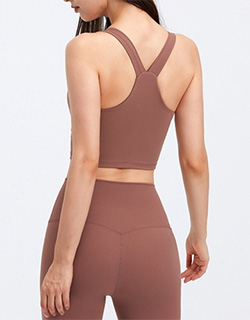
How to Build an Activewear Sample Approval Checklist
OHSURE • ACTIVEWEAR DEVELOPMENT GUIDE
A practical guide for brands reviewing custom leggings, sports bras, shorts, and workout sets before bulk production.
Quick answer: Build an activewear sample approval checklist around the latest tech pack, agreed materials, fit requirements, and intended use. For every item, record the acceptance criteria, inspection method, actual result, evidence, and decision. Check measurements, movement, fabric recovery, seams, color, logos, wash performance, labels, and packaging. Approve a clearly identified pre-production sample before authorizing bulk production.
What Is an Activewear Sample Approval Checklist?
An activewear sample approval checklist is a written record of what a sample must meet, how it was checked, and whether it passed. It connects the physical garment to a specific tech pack revision and approval decision.
A photo can show appearance, but it cannot establish waistband stability, seam comfort, recovery after stretching, or fit during movement. Your checklist should combine measurements, wear evaluation, material references, and relevant testing.
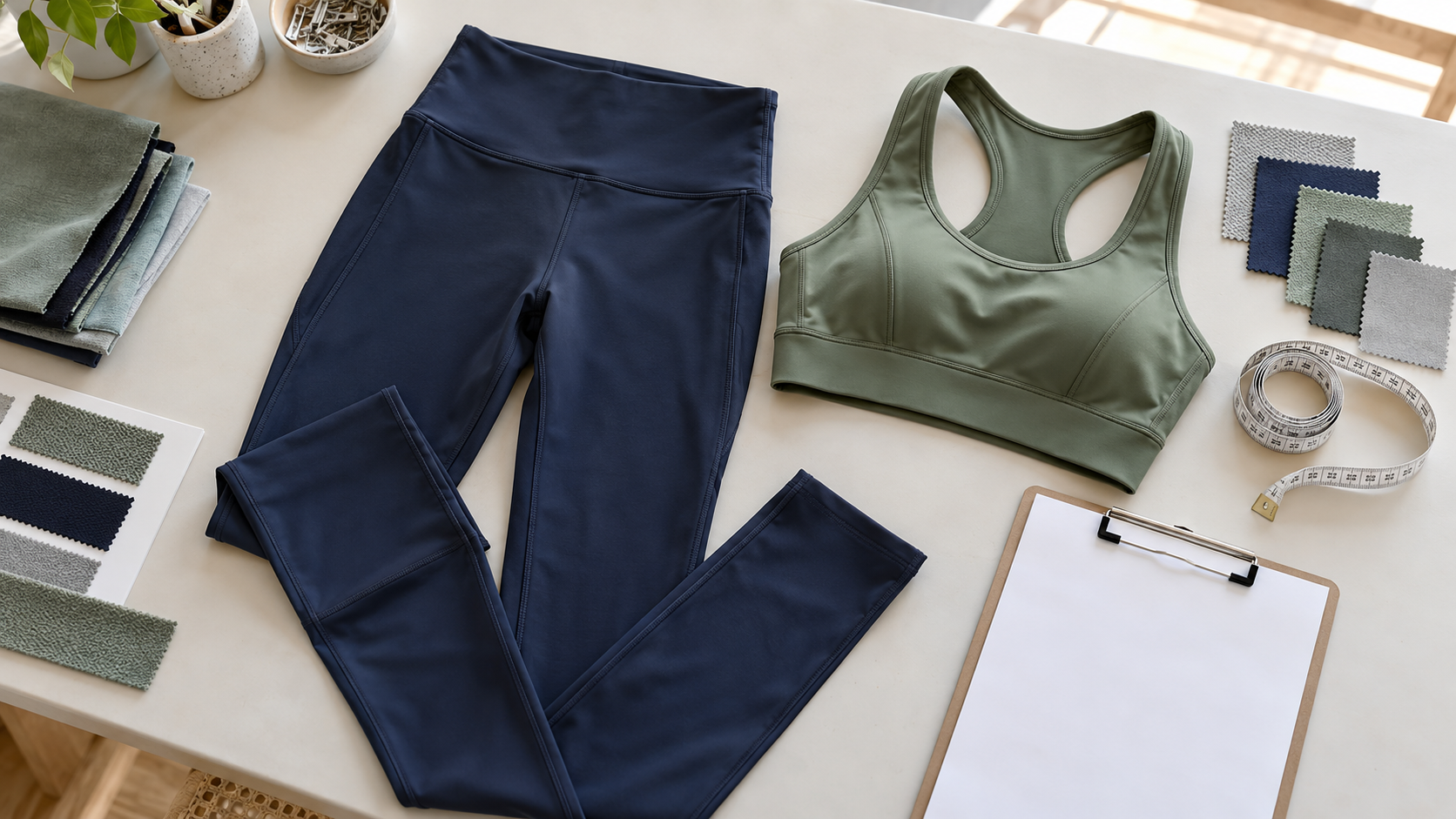
1. Identify the Sample and What You Are Approving
Start with the style number, sample ID, sample stage, size, color, fabric code, tech pack revision, date, and reviewer. Identify any substitute materials or unfinished details. A sample made from substitute fabric cannot confirm final fabric performance.
| Sample stage | Primary approval purpose | What remains to confirm |
|---|---|---|
| Development or fit sample | Construction, proportions, base-size measurements, and fit direction. | Final materials, colors, trims, branding, and production readiness. |
| Size-set samples | Grading and fit across the agreed size range. | Final execution in approved materials where substitutes were used. |
| Pre-production sample | Final specified materials, construction, branding, and agreed packing. | Any separately pending reports or components, followed by written production release. |
| Production sample | Check production output against the approved reference. | Ongoing inspections and shipment acceptance under the agreed quality plan. |
Agree on the sample sequence with your manufacturer. These names describe a practical workflow; suppliers may use different terminology.
2. Build the Core Approval Checklist
Use the table below as a starting point. Add columns for actual result, photo or report reference, status, corrective action, owner, and due date in your working approval sheet. Mark each item Pass, Fail, Pending, or Not Applicable, with a reason for any exclusion.
| Check | Acceptance basis | Evidence to record |
|---|---|---|
| Fabric identity | Agreed composition, construction, fabric code, weight specification, and finish. | Material record, swatch, and relevant supplier or laboratory documentation. |
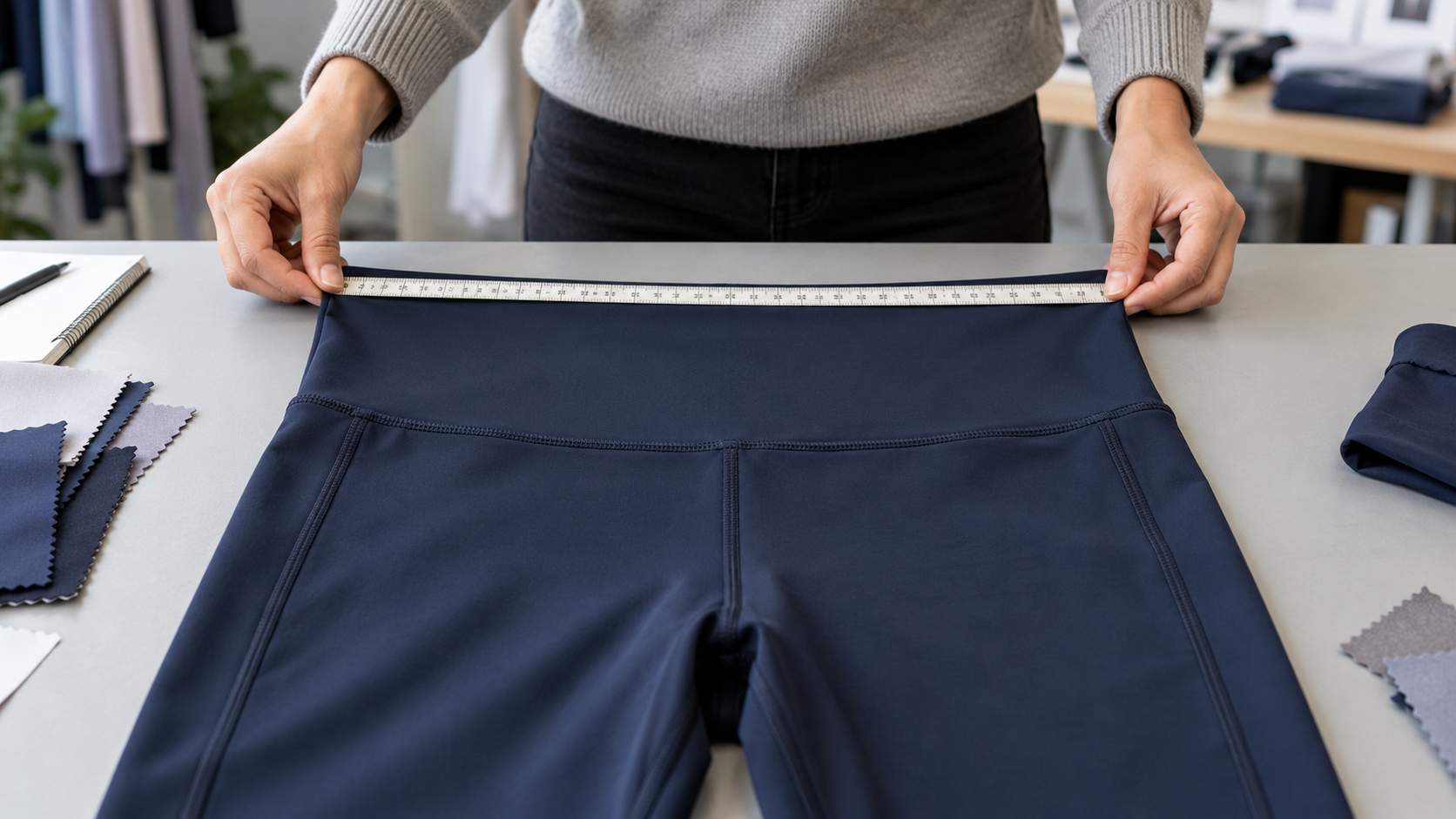
| Measurements | Every agreed point of measurement meets its specified tolerance. | Target, actual measurement, deviation, and measuring method. |
| Fit and movement | Meets the intended fit on the defined wearer profile during agreed movements. | Wearer measurements, garment size, fit notes, and movement photos or video. |
| Stretch and recovery | Meets the agreed method and limits for extension and residual growth. | Direction, load or extension, duration, recovery period, and result. |
| Opacity | Meets an agreed visual protocol at specified stretch, lighting, and fit. | Color, size, wearer profile, lighting, and observations. |
| Seams and workmanship | Specified construction; no open seams, skipped stitches, or failure during agreed checks. | Inside and outside photos, seam locations, and defects. |
| Color matching | Agreed physical color standard and lighting conditions. | Approved swatch or lab dip; assessment of each component. |
| Logo and decoration | Approved artwork, dimensions, placement, color, and durability requirements. | Artwork version, placement measurements, and stretch/wash results. |
| Wash performance | Agreed care procedure, cycle count, dimensional limits, and appearance criteria. | Before/after measurements, conditions, photos, and report. |
| Labels and trims | Approved content, size identification, placement, attachment, and destination requirements. | Label artwork, photos, and trim checks. |
| Packaging | Agreed folding, bag, barcode, assortment, and carton specifications. | Packing sample, barcode check, and packing specification version. |
3. Define Measurable Acceptance Criteria
Replace comments such as “make it tighter” with a named measurement or observable fit problem. Specify whether each measurement is taken flat or around the garment, relaxed or stretched, and after what conditioning or rest period.
Illustrative example only: A relaxed half-waist target of 32.0 cm with an agreed tolerance of ±0.5 cm accepts measurements from 31.5 to 32.5 cm. A result of 33.0 cm fails that requirement. This example is not a recommended universal activewear tolerance; set tolerances for each measurement, material, and style.
Flat measurements alone do not determine compression or support. Two fabrics can measure the same and feel different when worn. Evaluate the garment's measurements together with its material behavior and fit.
4. Run Fit and Movement Checks by Product Type
- Leggings: Check waistband rolling or slipping, rise, crotch comfort, pocket stability, and coverage during squats, lunges, and sitting.
- Sports bras: Check underband stability, strap pressure, cup coverage, insert movement, and comfort during movements relevant to the intended activity. A brief fit session does not establish a validated high-support claim.
- Training shorts: Check stride freedom, liner comfort, hem ride-up, waistband stability, and pocket behavior with the intended contents.
- Activewear sets: Check the top and bottom individually, then review their proportions, color relationship, and combined coverage.
Record wearer body measurements and intended fit. One wearer in one size cannot validate an entire size range. Include agreed size-set checks, especially where grading or fit risk is higher.
5. Confirm Wash, Color, and Logo Performance
Agree on the test plan before approval: which samples and colors will be tested, by whom, under which conditions, and against which limits. Keep an unwashed reference and identify the samples used for destructive testing.
AATCC TM135 addresses fabric dimensional change after home laundering; TM150 addresses garment dimensional change. TM150 notes limitations for certain stretch fabrics, so confirm suitability with your laboratory. For stretch testing, ASTM D2594/D2594M covers low-power knitted fabrics and directs support applications toward other methods. Select the method for the actual material and use.
For logos, inspect the specified placement and appearance, then evaluate cracking, lifting, dye migration, or distortion under the agreed stretch and laundering conditions. A logo swatch does not establish performance on every garment panel or color.
Screening checks help identify problems. Only describe a result as tested to a named standard when the relevant procedure has actually been followed and documented.
6. Use Clear Approval Decisions
| Decision | Meaning | Next action |
|---|---|---|
| Approved for the stated stage | The identified sample meets the requirements reviewed for that stage. | Record scope and whether bulk production is authorized separately. |
| Approved with comments | Specific details remain to be corrected or verified. | Name each condition and required evidence. Keep affected production on hold until written closure. |
| Revise and resubmit | A relevant fit, material, construction, or performance requirement failed. | Issue consolidated corrections and review the revised sample. |
| Pending | Required evidence or a decision is missing. | Assign an owner and date; do not assume approval. |
Close comments against the updated tech pack. A change to fabric, pattern, elastic, or logo process may require related checks to be repeated. Identify and retain the approved reference sample, with matching records available to the brand and factory.
7. Keep a Written Bulk Production Release
Use this record only after the applicable approval conditions are closed:
Style / sample ID: ____________________
Stage / size / color: ____________________
Tech pack revision / material reference: ____________________
Measurement sheet / test report references: ____________________
Open items and restrictions: ____________________
Decision: Approved / Approved with comments / Revise and resubmit / Pending
Bulk production release: Authorized / On hold
Authorized scope: Styles, colors, sizes, quantities, and order reference: ____________________
Reviewer / date / factory acknowledgment: ____________________
Sample approval sets the production reference. It does not replace incoming material checks, production inspections, or the agreed final shipment inspection.

What Affects Sample Approval Cost and Timing?
Plan for sample construction, shipping, review, testing, and any revision rounds. Custom dyeing, special trims, new patterns, multiple sizes, and laboratory work can add time or cost. Request these items separately in the quotation rather than assuming they are included in the sample fee.
Ask your manufacturer to confirm the sample schedule after materials and specifications are ready. Obtain a bulk production schedule based on the actual approval date and material readiness. Late changes can reopen approvals and affect the delivery plan.
Common Approval Mistakes
- Approving the final fit while the sample still uses substitute fabric or elastic.
- Checking only the base size or darkest color.
- Using screen images as the sole color reference.
- Sending contradictory comments across several message threads.
- Washing the only reference sample without retaining an identified control.
- Treating silence, a payment, or a casual “looks good” as a complete production release.
A Manufacturing-Focused Way to Reduce Rework
Write each correction as a problem, location, requested result, and verification step. For example: “Waistband rolls during the agreed squat check; review waistband construction and fit, resubmit the revised sample, and repeat the movement evaluation.” This communicates the failure without guessing that one pattern change will solve it.
When discussing custom leggings development with Ohsure , send one consolidated comment sheet with annotated photos and the current measurement table. For private label activewear , also identify changes to the existing style, including fabric, logo, labels, and packaging. Agree which changes require a new physical sample.
Frequently Asked Questions
Can I approve an activewear sample using photos only?
Photos can support appearance and placement review. They do not confirm handfeel, physical fit, movement comfort, or recovery. State any limited approval scope explicitly and arrange physical review or documented testing for the remaining requirements.
Do all colors need the same checks?
Review each ordered color against its approved standard. Agree on performance coverage based on risk: lighter colors may need closer opacity checks, while different dye or decoration combinations may need separate evaluation.
How many sample rounds should I allow?
There is no fixed number. Plan around development complexity and leave room for corrections. Release production when requirements and evidence are complete rather than after a predetermined number of rounds.
Should packaging be included in sample approval?
Yes, if it forms part of the order. Packaging may be approved separately, but record its version, pending items, and the production or packing activities that remain on hold.
What should I send Ohsure before sampling?
Send your tech pack or reference style, size chart, intended activity, material requirements, colors, artwork, quantity breakdown, destination market, and approval criteria. Identify any performance claims requiring supporting tests.
Prepare a Clearer Activewear Sample Review
Share your design, specifications, and approval checklist with Ohsure to discuss sampling, customization, and the checks needed before bulk production.
Discuss Your Sample RequirementsTechnical references: These sources describe test-method scopes; they do not set this article's product acceptance limits.