
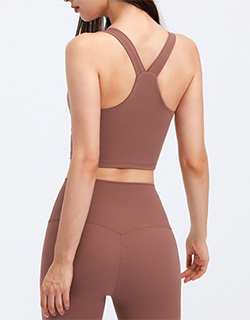
In-Stock Fabric vs Custom-Dyed Fabric: How It Changes MOQ and Cost
Fabric sourcing comparison · Evidence checked September 16, 2026
In-Stock Fabric vs Custom-Dyed Fabric: How It Changes MOQ and Cost
Direct answer: In-stock fabric usually lowers the material threshold, shortens the approval path and reduces cash tied up in unused cloth, but color and reorder availability can change. Custom-dyed fabric gives a brand tighter color control, yet normally adds lab dips, a mill dye-lot minimum, shade approval, longer scheduling and possible excess material. The garment MOQ and the fabric MOQ must be quoted separately.
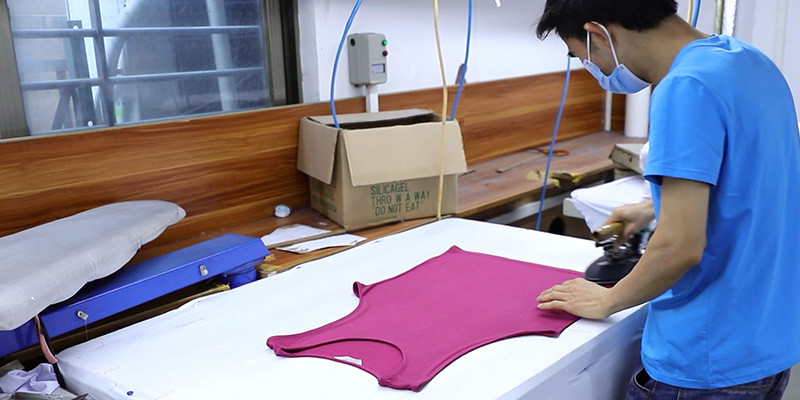
What “In Stock” and “Custom Dyed” Actually Mean
In-stock fabric is material that a mill, converter, wholesaler or manufacturer says is already available in a defined construction and color. It may be physically held, incoming, shared across customers or available only until sold. “Stock” does not prove quality, continuous availability or that enough usable yardage exists for every size and cutting loss.
Custom-dyed fabric starts from an agreed greige or prepared base and is colored for the project, commonly to a Pantone or approved physical standard. The route can require a lab dip, color comments, a bulk dye lot and testing. A custom color is not automatically exclusive; exclusivity must be stated separately in writing.
Side-by-Side Buying Comparison
| Decision factor | In-stock fabric | Custom-dyed fabric | What to confirm |
|---|---|---|---|
| Material MOQ | May be limited to the available roll quantity or supplier cut minimum | Usually tied to the mill's minimum dye lot for that fabric and color | Minimum by material code, color and lot—not only garment quantity |
| Garment MOQ | Can still apply per style and color | Can still apply separately from the dye-lot minimum | State both thresholds in the quotation |
| Upfront cash | Often lower if only order consumption is purchased | Often higher if the mill lot exceeds garment consumption | Who pays for, owns and stores the balance |
| Color control | Choose from available shades and lots | Approve a color target and tolerance before bulk | Physical standard, light source and acceptable variation |
| Schedule | Can remove the bulk-dyeing stage if stock is reserved | Adds lab-dip, approval, mill scheduling, dyeing and inspection steps | Calendar starts, dependencies and approval deadlines |
| Reorder continuity | Fast only while the same stock or repeatable article remains available | Potentially repeatable, but new lots can still show shade variation | Reorder code, archived standard and lot-to-lot tolerance |
| Main risk | Stock sells out, mixed lots or unsuitable performance | Excess fabric, failed color approval or shade variation | Reservation evidence, inspection plan and remedies |
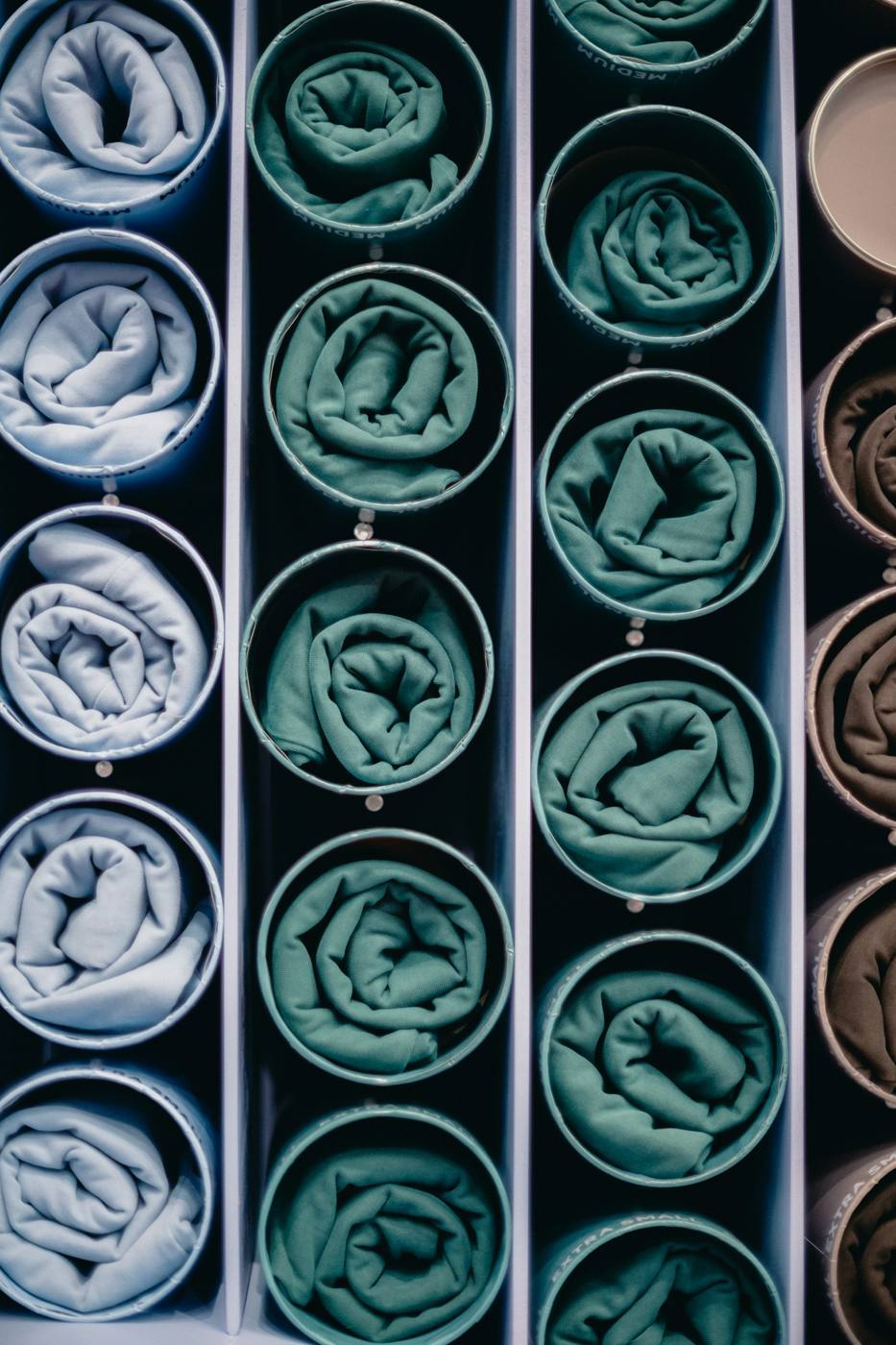
How the Fabric Route Changes MOQ
A sewing factory may quote a garment MOQ while the upstream fabric supplier sets a different minimum. For planning, keep the two calculations separate:
Fabric commitment = mill minimum per fabric-color or the actual order consumption, whichever is commercially required.
Ohsure currently publishes a bulk starting point of 100 pieces per style per color, with sizes mixed within that combination. That is a planning reference, not proof that every material route can run at 100 pieces. A custom dye lot may exceed the cloth needed for the garments, while stock availability may be less than the requested quantity. The current written quotation controls the actual project.
Illustrative calculation
A brand orders 100 leggings in one color. If each sellable garment consumes an estimated 1.1 meters after planned cutting allowance, the order uses about 110 meters. If a custom dye route requires a 300-meter mill lot, roughly 190 meters remain before any inspection loss or mill tolerance. That balance is not free inventory: the quote must explain its price, ownership, storage period, condition and permitted future use.
This example shows the method, not a universal consumption rate or mill minimum. Marker efficiency, fabric width, size mix, shrinkage, defects and supplier terms change the result.
Compare Total Cost, Not Only Price Per Meter
In-stock cost items
Fabric used, cutting loss, roll inspection, transport, reservation fees, possible lot matching and the risk that a repeat order must use a different shade or substitute.
Custom-dye cost items
Greige material, lab dips, color development, bulk dyeing, testing, minimum-lot balance, shade rework, storage and financing of material not converted into the first garment run.
Do not assign full value to leftover material unless the fabric remains identifiable, protected, legally usable for the brand, and suitable for a likely reorder. Material that cannot be matched, stored or consumed is a cost even if it remains physically present.
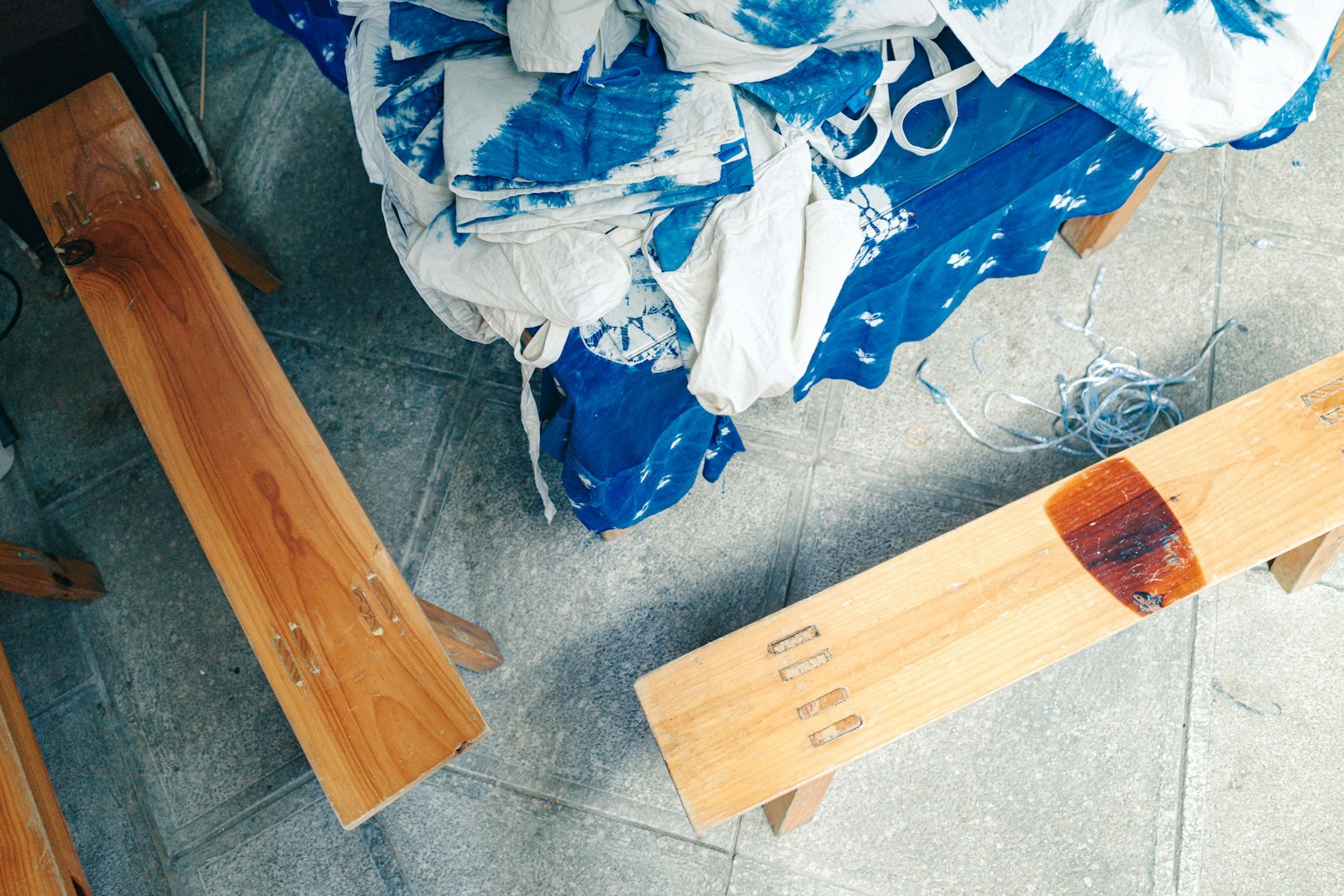
Approval Controls for Each Route
For in-stock fabric
- Record the supplier and exact material article code.
- Approve composition, weight, width, stretch, recovery, opacity and hand feel as relevant.
- Confirm the physical roll quantity and how long it is reserved.
- Check whether one or several lots will be used.
- Retain an approved swatch linked to the purchase record.
- Define what happens if stock changes before cutting.
For custom-dyed fabric
- Name the color standard, substrate and intended light source.
- Approve a physical lab dip with dated comments.
- Set the dye-lot minimum and quantity tolerance.
- Define bulk shade tolerance and testing needs.
- Approve bulk fabric before garment cutting where practical.
- Document ownership and storage of excess material.
Which Route Fits the Project?
- Choose the product requirement first. Define composition, weight, stretch, recovery, finish, opacity and test needs before discussing color.
- Ask for two comparable routes. Request a stock option and a custom-dye option using the same garment specification wherever possible.
- Separate every minimum. Record garment, fabric, dye, trim, logo and packaging thresholds independently.
- Calculate cash exposure. Include the full material purchase, approvals, tests and unusable or slow-moving balance.
- Score continuity. A lower first MOQ is less useful if the material cannot be reordered consistently.
- Freeze the approved route. The purchase order and production specification should identify the final fabric, color standard, lot treatment and substitution rule.
Frequently Asked Questions
Does in-stock fabric always mean a lower MOQ?
No. It may reduce the fabric-side minimum, but the sewing, color, print, trim or packaging minimum can still apply. The available stock may also be less than the quantity required.
Is in-stock fabric lower quality?
Not inherently. Stock describes availability, not performance. Approve the exact material against the product's measurable requirements and inspect the rolls used for bulk.
Why does a custom Pantone color raise cost?
It can add lab-dip work, approval cycles, a mill dye lot, bulk shade control, testing and excess material. The cost depends on the fabric, dye route, quantity and supplier terms.
Can excess custom-dyed fabric be used for another style?
Sometimes, if the other style uses the same approved material and color and the fabric remains suitable. Confirm ownership, storage condition, remaining usable quantity and any technical limitations in writing.
Will a custom dye match perfectly on every reorder?
No process guarantees zero variation. Retain the approved standard, define tolerance and compare new bulk lots before cutting. Different substrates and finishes can also change color appearance.
Which route is safer for a startup launch?
An approved stock material often reduces first-order exposure when brand-specific color is not essential. Custom dyeing can be justified when color identity matters and demand supports the larger material commitment.
Bottom Line
In-stock fabric can reduce initial material exposure and remove dye-development steps, but only if the exact quality, lot, quantity and reorder condition are verified. Custom-dyed fabric can deliver a controlled brand color, but it introduces a separate mill minimum, approval path and balance-material decision. Ask suppliers to quote both routes on the same specification and show garment MOQ, fabric commitment and total cash exposure separately.
Evidence note: Ohsure-specific MOQ wording and the live Product Industry Blogs configuration were checked September 16, 2026. Material availability, dye-lot minimums, prices and timing vary by fabric, mill, color, testing needs and schedule. No project price, universal lead time, certificate number, named reviewer or guaranteed result has been invented.